


Department of Pharmacology
History of the department
HISTORICAL STAGES OF SCIENTIFIC, PEDAGOGICAL AND PUBLIC ACTIVITY
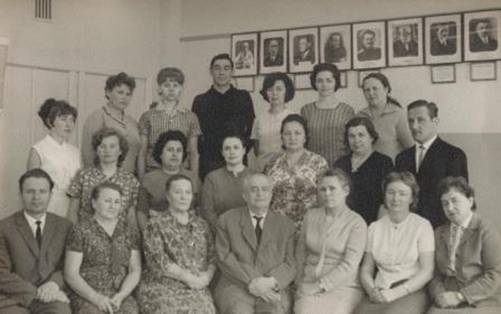
Staff of the Department of Pharmacology and Clinical Pharmacology, 1967. Bogomolets National Medical University
The Department of Pharmacology and Clinical Pharmacology was established in 1841 as one of the first ten departments of St. Volodymyr University under the name “Medical Knowledge of Substances with Prescription Compounding.” Until 1884 the department was not a separate unit but was combined with the Department of General Therapy. The first head of this department was Professor Mykola Ilarionovych Kozlov (14.11.1814–10.10.1889), a graduate of Kazan University
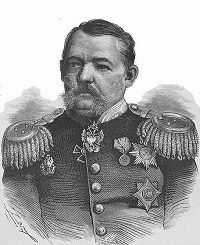
who taught anatomy, pathology, the history of medicine, and also pharmacology with prescription compounding. The department carried out scientific research on problems of general pharmacology.
From 1849 to 1859 the department was headed by Professor Vasyl Vasylovych Bekker (1811–28.03.1874), a graduate of Dorpat (now Tartu) University, who had initially worked as a professor of this department. With his direct involvement, programmes on general therapy, pharmacology and prescription compounding were developed, and studies of the effect of mineral waters on the body were carried out. In addition, research in special pharmacology was conducted — for example, the pharmacological properties of salts of metals, metalloids, alkalis and acids were studied.
After Bekker retired (1859), the department was headed by the well-known anatomist and physiologist Oleksandr Petrovych Valter (28.12.1817–23.09.1889),
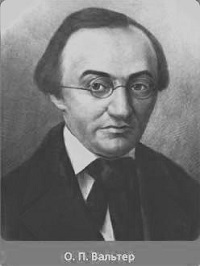
also a graduate of Dorpat University. He is better known as a physiologist, in particular for his work on the physiology of blood circulation, heat production and others.
In 1861–1865 the department was headed by Oleksandr Oleksandrovych Sheffer (1831–1897), a specialist in medical chemistry and physics. Thanks to his initiative, both scientific and methodological work intensified. The department’s research was devoted to the influence of inorganic compounds on the blood and muscular activity. In 1861 O. O. Sheffer defended his doctoral dissertation “On the Effect of Sulphuric Acid on Protein Substances.” This teacher and scholar also developed the “Programme for the Department of General Therapy and Pharmacology” as well as the curriculum for 1861–1862. On the basis of the University Statute of 18 June 1863, the Department of General Therapy, Pharmacology, Prescription Compounding and the Study of Mineral Waters was created, and the position of associate professor (docent) of pharmacology, pharmacognosy and pharmacy was introduced. At this department a position of associate professor of pharmacognosy and pharmacy was introduced, held by E. H. Nemeti (1827 – date of death not established). Despite the small premises of the department, experimental research was carried out. During this period the private docent V. M. Stadion completed four experimental works.
- O. Sheffer was elected head of the Department of Medical Chemistry, and the teaching of pharmacology from 1865 to 1868 was carried out by Karl-Georg-Emil Heorhiyovych Heibel (25.09.1839 – date of death not established), who graduated from Dorpat University in 1861. In 1865 K.-G.-E. H. Heibel defended his dissertation for the degree of Doctor of Medicine, “On the Absorption of Potassium Iodide by Various Organs.” The scientific research of the department’s teachers was devoted to studying the pharmacokinetics of medicinal agents: the distribution of lead, iodine and other substances in the body. Thanks to the work of the department’s staff, the laboratory premises were expanded.
During this period a significant contribution to the development of pharmacology at the medical faculty was made by M. I. Pyrohov, thanks to whom the main directions of this branch of medicine were formed. The famous surgeon held pharmacology in particular esteem. This was due to the fact that M. I. Pyrohov was one of the first in the world to use diethyl ether for anaesthesia during surgical interventions, including in military field conditions, and in 1847 he published the world’s first monograph on the properties of diethyl ether: “Practical and Physiological Observation of the Effect of Ether Vapours on the Animal Organism.”
A significant contribution to the development of pharmacology was made by the Ukrainian scientist Volodymyr Ivanovych Dybkovsky (1836–1870), born in Kyiv into a noble family, who graduated with honours from the medical faculty of Kyiv University in 1858. With the name of V. I. Dybkovsky, a new stage began in the teaching of pharmacology and the conduct of scientific research at the department.
In 1861 V. I. Dybkovsky defended his dissertation for the degree of Doctor of Medicine, “A Physiological Study of Poisons that Act Specifically on the Heart,” under the supervision of the outstanding pharmacologist, toxicologist and forensic physician Ye. V. Pelikan. With this work the young scientist laid the foundations of the pharmacology of cardiovascular agents. The dissertation was highly appraised by scholars: the physiologist I. M. Sechenov and the therapist S. P. Botkin. In the textbook “A Course in the Clinic of Internal Diseases,” S. P. Botkin, analysing the effect of foxglove (digitalis) on the cardiovascular system, wrote: “The experiments on the effect of cardiac poisons on the heart were drawn by me from the remarkable work of one of our young scientists — Doctor Volodymyr Dybkovsky.”
After returning from a foreign assignment, where V. I. Dybkovsky had developed his skills in experimental physiology and physiological chemistry, and after delivering a trial lecture on “The Effect of the Depressor Nerve on Blood Circulation” with a demonstration of the corresponding experiment, in 1868 V. I. Dybkovsky was elected to the position of prosector of the Department of Physiology.
On the recommendation of the therapist Professor V. T. Pokrovsky and the physiologist Professor V. B. Toms, in 1868 V. I. Dybkovsky was elected professor of the Department of Pharmacology and General Therapy of St. Volodymyr University. Professor V. T. Pokrovsky, presenting V. I. Dybkovsky to the academic council, called him an outstanding representative of the experimental-physiological direction in pharmacology. Professor V. T. Pokrovsky gave the following arguments in favour of electing V. I. Dybkovsky to the position of professor: “What can be said… about the scholar Dybkovsky, who has made a good name for himself as a physiologist… and at the same time is actively and no less successfully engaged in pharmacological questions, and finally, in addition to this, gives excellent lectures in the Ukrainian language.”
Professor V. I. Dybkovsky was a brilliant lecturer and a skilled methodologist who conducted teaching at a high level. In science he gained the reputation of an innovator who sought out interesting methods and approaches in the field of pharmacology, toxicology and biochemistry. Professor V. I. Dybkovsky and his students carried out fundamental research on the toxicology of phosphorus, summarized in the well-known work “Towards a Theory of Acute Phosphorus Poisoning”; they experimentally substantiated the features of the absorption of solid and liquid bodies from the pleural cavity. At the department, research was carried out on the influence of a significant number of preparations (anhar, hellebore, digitalin and others) on the activity of the heart. In a chronic experiment, the reaction of cells of the central nervous system to various external stimuli was studied using the “window” method, made in the dura mater of the brain. V. I. Dybkovsky created a school of talented young people.
A textbook prepared by V. I. Dybkovsky, “Lectures on Pharmacology,” served as a handbook for several generations of physicians; its first edition appeared in 1871, a year after the death of V. I. Dybkovsky (the textbook went through four editions). The preface to the textbook was written by professors of St. Volodymyr University: the anatomist Professor V. O. Bets, the histologist Professor P. I. Peremezhko, and the therapist Professor N. A. Khrzhonshchevsky. The first paragraph of the preface notes: “On 12 June 1870, St. Volodymyr University lost one of its most worthy professors — Professor of Pharmacology Volodymyr Ivanovych Dybkovsky. Our esteemed professor, despite his, unfortunately, brief scientific career, gained wide renown through his works and managed, during two years of professorial activity, to earn the general respect and love of his listeners and to develop in them an interest in studying pharmacology through his scientific experimental methods of research, together with his captivating lecturing.”
The second and third editions of “Lectures on Pharmacology” were prepared under the editorship of Professor P. P. Sushchynsky, Dybkovsky’s successor at the department, in 1873 and 1878 respectively. The renowned pharmacologist, Professor of Pharmacology at Kazan University V. O. Pidvysotsky, produced the fourth edition of Professor V. I. Dybkovsky’s “Lectures on Pharmacology” in two volumes in 1885–1889. Both the earlier editions and the fourth edition of “Lectures on Pharmacology” were highly appraised by reviewers.
The textbook “Lectures on Pharmacology” impresses the reader with several positive features:
- The material in the textbook is divided into general pharmacology and special pharmacology. This shows that Professor V. I. Dybkovsky taught pharmacology using the achievements of world medicine.
- The lectures present, at a high scientific level, questions of general pharmacology — in particular, the dependence of the action of medicines on their physico-chemical properties as well as on the state of the body — and substantiate the regularities of the interaction between drugs and the organism.
- The lectures present classifications of medicinal agents and describe in detail the effect of various preparations on one system or another, with an analysis of the mechanism of drug action.
- The textbook covers in detail a historical analysis of the study of medicines from ancient medicine to the period when the book was written.
- The textbook includes a section “Mineral Waters,” which describes seven types of mineral waters: alkaline, iron-bearing, sulphurous, calcareous, rock-salt waters and Glauber’s salt waters. This section presents the features of using mineral waters for treating various diseases.
His early death did not allow V. I. Dybkovsky to complete the research he had begun. His students (V. Yanovsky, M. Korobkin, I. Maksymovych, L. Fedorov, O. Mochutkovsky and others) studied the pharmacodynamics of atropine, apomorphine and organic compounds, and carried out original studies in general pharmacology.
Thus, the scientific research of V. I. Dybkovsky and his students left a deep mark in the history of the Department of Pharmacology and of pharmaceutical science as a whole, creating the basis for the further development of the Kyiv school of pharmacologists.
The scientific traditions of V. I. Dybkovsky were continued by Professors P. P. Sushchynsky (1871–1876) and E. H. Heibel (1876–1897).
Following the sudden death of V. I. Dybkovsky in 1870, Professor Petro Petrovych Sushchynsky (1842 – date of death not established) was elected head of the department. His scientific works were devoted to the pharmacology of new medicinal agents of that time. From 1876 to 1897 the Department of Pharmacology was again headed by Professor K.-G.-E. H. Heibel.
Professor K.-G.-E. H. Heibel prepared and published a course of lectures on pharmacology under the title “Notes on Pharmacology” (1881), and also edited the Russian translation of the “Manual of Pharmacology” by the renowned pharmacologist R. Buchheim, who headed the Department of Pharmacology in Dorpat (Estonia).
Scientific activity and methodological work intensified considerably after the election in 1898 of Yuliy Petrovych Laudenbach (10.01.1863–1910) as head of the Department of Pharmacology,
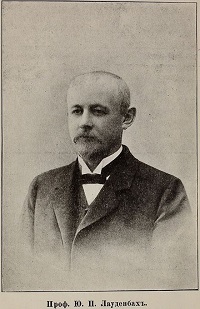
who graduated from Kyiv University in 1889 and in 1894 brilliantly defended his doctoral dissertation on the topic “The Haematopoietic Activity of the Spleen.” During Yu. P. Laudenbach’s headship of the department, research in its scientific experimental laboratory expanded. Thus, during this period interesting works on the pharmacology of the cardiovascular system were carried out. In 1898 Yu. P. Laudenbach published the results of experimental research in the article “On the Effect of Iodine, Sodium Iodide and Iodothyrin on Blood Circulation,” and in 1907 — the work “On the Action of Snake Venom and Antivenom Serum on the Heart and Blood Vessels.” He also studied the effect of toxins on the blood and the uterus and continued to develop questions of general pharmacology. Yu. P. Laudenbach managed to gather around himself young, talented, enthusiastic physicians (M. D. Strazhesko, S. S. Tartakovsky, A. K. Zivert, K. M. Rudkevych, Ye. F. Veber, K. Ya. Skutu and others), who carried out experimental research. M. D. Strazhesko performed an experimental study on dogs, showing that only with intravenous administration of strophanthus tincture does the preparation exert a pronounced effect on the activity of the heart.
After Yu. P. Laudenbach moved to the Department of Physiology in 1908, associate professor Anton Antonovych Trzhetsevsky (dates of birth and death not established) was elected head of the Department of Pharmacology in 1909 and headed it until 1922. In 1899 A. A. Trzhetsevsky defended his doctoral dissertation on the topic “On the Effect of Hydrochloric Acid on Putrefaction Processes in the Intestine.” Professor A. A. Trzhetsevsky carried out original studies in general and special pharmacology: “On the Modes of Action of Drugs” (1908), “On the Effect of Antipyretic Drugs on the Heart” (1908), “On the Effect of Caffeine and Theobromine on the Heart” (1908).
During the period 1920–1924, lectures to students of the Russian-language stream were delivered by Professor Yevhen Hryhorovych Huryn, and to those of the Ukrainian-language stream by Mykola Pamfilovych Vashetko (20.01.1880 – 06.09.1960), who simultaneously headed the Department of Pathology. In those years not only pharmacology with balneology was taught, but also pharmacotherapy, toxicology, pharmacy with pharmacognosy and prescription compounding — that is, a significant number of medical disciplines.
A new creative upsurge in the work of the department was noted in 1925 in connection with the election as head of the department of Hryhoriy Lavrentiyovych Shkavera (09.01.1884 – 3.12.1953), a student of the renowned pharmacologist Academician M. P. Kravkov. H. L. Shkavera was born in Chernihiv Governorate and in 1911 graduated from the Military Medical Academy in St. Petersburg. In 1914 he defended his dissertation for the degree of Doctor of Medicine on the topic “On the Various Phases of the Action of Poisons on Peripheral Vessels.” During the First World War H. L. Shkavera worked as a military physician, and from 1918 to 1920 he headed the school department of the Sosnytsia Health Care Department in Chernihiv region. From 1920 to 1925 H. L. Shkavera worked as an assistant and then as an associate professor of the Department of Pharmacology of the Military Medical Academy. In 1925 he was elected head of the Department of Pharmacology of the Kyiv Medical Institute. He held this position until 1941. During his headship, from 1930 to 1940, ten people completed postgraduate study. After the institute returned from evacuation in 1943, H. L. Shkavera continued to head the Department of Pharmacology until 1944.
The main scientific problems developed by the department’s staff were the pharmacology of the endocrine glands, the pharmacology of cardiovascular preparations, and the mechanism of action of drugs and toxins. At this stage, H. L. Shkavera and his colleagues (P. V. Rodionov, F. I. Berezantsev, M. Z. Mindlin, M. M. Prokopovych, A. A. Tostanovska, V. I. Vitte-Drozdovska and others) investigated the action of preparations that affect the parasympathetic system and the vessels, the adrenal glands, the vessels of the skin, and the secretion of the pancreas. New facts were obtained on the response of the vessels to adrenaline, foxglove glycosides and other drugs.
Simultaneously with his work at the medical institute, from 1925 to 1934 H. L. Shkavera headed the Department of Pharmacology of the Kyiv Veterinary Institute, and also organized toxicological laboratories at the Kyiv Research Institute of Nutrition and the Research Institute of Occupational Hygiene and Occupational Diseases.
During the World War II, the Kyiv Medical Institute was evacuated to Chelyabinsk, where systematic classes in pharmacology were held from September 1941. The Department of Pharmacology in Chelyabinsk was headed by, and lectures were delivered by, associate professor Fedir Isaiovych Heilih, while laboratory classes were conducted by the assistant Sofiia Hryhorivna Serebriana.
During the World War II, S. H. Serebriana was intensively engaged in scientific work and prepared recommendations on the need to introduce an infusion of pine needles into the body as a source of vitamin C. The results of this work were introduced into practical medicine for the prevention and treatment of scurvy. Together with the outstanding therapist, Academician of the Academy of Sciences of Ukraine and head of the Department of Therapy of the Kyiv Medical Institute M. M. Hubergrits, S. H. Serebriana developed a unique scheme for treating bodily dystrophy resulting from starvation, which was necessary for the therapy of weakened individuals during the World War II. For her work during the years of the World War II she was awarded the medal “For Valiant Labour in the World War II” in 1945.
In the post-war years, at the Department of Pharmacology of the Kyiv Medical Institute, S. H. Serebriana became a reliable assistant and faithful associate of the outstanding Ukrainian scientist, pharmacologist and toxicologist, head of the Department of Pharmacology of the Kyiv Medical Institute, Academician O. I. Cherkes. In 1944 S. H. Serebriana brilliantly defended her candidate’s dissertation “On Certain Properties of Aspergillus albus.” In the same year she received the degree of Candidate of Medical Sciences, and in 1948 the title of associate professor of the Department of Pharmacology.
At the department she proved to be a brilliant teacher, giving many future physicians their start in life. S. H. Serebriana was always not only an excellent teacher and mentor but also a persistent seeker of truth and a meticulous researcher. She had a fluent command of pharmacological, toxicological and hygienic research methods.
In the illustrious constellation of figures of Soviet medicine, an honourable place belongs to the eminent pharmacologist and toxicologist, the Ukrainian scientist Oleksandr Illich Cherkes (2.05.1894–25.09.1974), who graduated from the medical faculty of Kharkiv University and in 1944 was elected head of the Department of Pharmacology of the Kyiv Medical Institute.
The world-renowned scientist, pharmacologist and toxicologist, Academician of the Academy of Medical Sciences of the Soviet Union, Honoured Worker of Science of Ukraine, Doctor of Medical Sciences, Professor O. I. Cherkes headed the Department of Pharmacology of the Kyiv Medical Institute (now the National Medical University) from 1944 to 1971.
- I. Cherkes inherited his natural talent and intelligence from his parents. The father of Oleksandr Illich was a well-known lawyer in Kharkiv. O. I. Cherkes had a good command of German, English and French. Everyone who had the good fortune to communicate with O. I. Cherkes noted his ability to listen to his interlocutor and his desire to help in solving difficult problems.
The generation of original ideas, scientific intuition in the choice of research topics — which in most cases turned into new directions — enormous erudition, deep knowledge in various fields of medicine, and the ability to present scientific doctrines clearly and simply accompanied the scientific work of O. I. Cherkes.
The following examples may serve as illustrations.
In 1926 he published an article in the journal Biochem. Zeitsch.: “On the Effect of Narcotics on the Chemical Composition of the Brain.” This was one of the first scientific works in the world on a completely new direction in pharmacology — biochemical pharmacology. In subsequent years, when in 1930 O. I. Cherkes was elected head of the Department of Pharmacology of the Kharkiv Medical Institute, he and his colleagues launched research on the biochemical pharmacology of cardiovascular agents, in particular cardiac glycosides, as well as caffeine. The result of this research was the monograph “Experimental Studies in the Pharmacology of the Heart” (Kharkiv, 1941). Research on the biochemical pharmacology of cardiac glycosides and other medicinal agents was continued by the students of O. I. Cherkes: V. F. Melnykova, M. I. Slaston, M. N. Shterenson, V. I. Syla, Ye. S. Rozovska, M. V. Pervak, E. M. Airapetyan, S. P. Zakryvydoroha, M. A. Anharska, N. M. Dmytriieva, V. A. Krementulo, T. I. Liahina, M. Ya. Tverska, E. Adzhykulov, V. H. Duzhak, I. S. Chekman, S. B. Frantsuzova, K. I. Rubchynska, N. O. Gorchakova, R. D. Samilova, I. F. Poliakova, O. P. Viktorov.
In 1940 a student of Academician O. I. Cherkes, M. I. Slaston, successfully defended her candidate’s dissertation on the topic “Towards the Pharmacodynamics of the Cardiac Glycoside Periplocin of Periploca graeca,” in which she studied in detail the pharmacodynamic properties of periplocin and the effect of this glycoside on metabolism in the myocardium of animals. One of the directions of the scientific work of M. I. Slaston was the features of the interaction of cardiac glycosides and glucocorticoids. The theoretical basis for such research was the fact that these medicinal agents have a similar chemical structure — cyclopentanoperhydrophenanthrene. Thanks to modern research it has been established that these substances belong to metabolites. The human body contains digitalis-like and strophanthin-like substances.
In 1931 V. F. Melnykova defended her dissertation on the topic “Experimental Studies in the Toxicology and Pharmacology of Pentachlorin (DDT),” and was awarded the degree of Candidate of Medical Sciences and the title of senior research fellow. From 1934 she began working as an assistant and associate professor at the Department of Pharmacology of the Kharkiv Medical Institute (KhMI).
From October 1936 to September 1942, V. F. Melnykova was an associate professor of the Department of Pharmacology of KhMI. In September 1941 she was evacuated together with the institute to the city of Chkalov, and in September 1942, by order of the People’s Commissar of Health, she was seconded as a senior research fellow to the All-Union Institute of Pathology and Therapy of Intoxication. From October 1944 she was transferred to the position of associate professor of the Department of Pharmacology of the Kyiv Medical Institute. She has about 20 scientific works devoted to questions of the pharmacology and toxicology of aromatic nitro-compounds and the effect of cardiac glycosides on the carbohydrate-phosphorus metabolism of the myocardium. She gave reports at the First All-Union and the Second and Third Ukrainian Congresses of physiologists, biochemists and pharmacologists, at the conference of young scientists of Ukraine and at a number of conferences devoted to questions of occupational hygiene and pathology. She worked in local trade-union organizations.
One of the directions of the scientific research of O. I. Cherkes was the study of the interaction of cardiac glycosides with other medicinal agents. A teacher of the department, V. A. Krementulo, defended her candidate’s dissertation on the topic “The Antitoxic Properties of Camphor in Poisoning with Cardiac Glycosides.” The results of the research had practical significance. Camphor began to be used to reduce the side effects of cardiac glycosides.
- I. Cherkes paid great attention to the training of scientific and teaching staff through postgraduate study. A postgraduate student of the department, A. M. Dombrovska, successfully defended in 1948 her candidate’s dissertation on the topic “Towards the Pharmacology of Stimulants of the Central Nervous System — Phenamine and Pervitin.” From that time she worked first as an assistant and later as a senior lecturer and associate professor of the department, to which she devoted her entire creative and pedagogical life. Her main scientific interests and research work were devoted to the pharmacology of cardiovascular agents and stimulants of the central nervous system.
After graduating from the medical institute in 1949, O. I. Kozlovska entered postgraduate study at the Department of Pharmacology. Under the supervision of O. I. Cherkes, in June 1953 she defended her candidate’s dissertation on the topic “Experimental Studies in the Pharmacology of Para-aminosalicylic Acid.” The dissertation of T. I. Liahina, “Experimental Studies in the Pharmacology of Phthivazide,” was devoted to the search for and study of anti-tuberculosis preparations. This topic was relevant at the time and remains relevant today.
In the scientific research of the pre-war and post-war periods, O. I. Cherkes paid great attention to studying the effect of cardiac glycosides on the content and transformation in the heart muscle of macroergic phosphorus compounds, which play an important role in the energy supply of the contractile function of the myocardium. Thus, M. A. Anharska studied the effect of glycosides on the content and transformation of creatine phosphate (CP) and adenosine triphosphate (ATP), which provide the formation of energy for muscular contraction. The studies showed that, under the influence of cardiac glycosides, the amounts of ATP and CP do not change significantly. It was further found (V. F. Melnykova, 1941) that strophanthin and foxglove tincture increase the content of inorganic phosphoric acid in the heart of rabbits, while changing the level of ATP and CP only slightly. Analysis of these changes made it possible to suggest that the relative stability in the content of macroergic compounds under the action of glycosides is due not to a decrease in energy utilization but to an acceleration of the resynthesis of these substances. Using radioisotope research methods, an increase in the rate of restoration of phosphorus compounds under the influence of cardiac glycosides was demonstrated. In-depth studies aimed at identifying the features of the action of glycosides on the enzymes of glycolysis, the Krebs cycle, terminal oxidation and oxidative phosphorylation (N. M. Dmytriieva, K. I. Rubchynska, 1961) revealed that cardiac glycosides reduce the activity of a number of enzymes in intact animals (aldolase, phosphorylase, phosphoglucomutase and others) and, conversely, promote the normalization of the reduced activity of these enzymes in experimental insufficiency. At the same time, O. I. Cherkes showed that the activating effect of cardiac glycosides on energy-producing processes is based on the direct action of the glycosides on the function of the mitochondrial apparatus of the cell. This was confirmed in special experiments on the effect of glycosides on respiration and the coupled oxidative phosphorylation in mitochondria isolated from the heart muscle. Under conditions of cardiac insufficiency, glycosides normalize the respiration and phosphorylation processes reduced in this pathology, with the intensity of respiration being restored to a greater extent.
Particular attention was paid to the state of electrolyte metabolism under the influence of these substances in conditions of cardiac insufficiency. A difference was established in the action of therapeutic and toxic doses of cardiac glycosides. Toxic doses deplete the reserves of intracellular potassium, whereas therapeutic doses eliminate the intracellular potassium deficit and normalize the balance of sodium and chlorine in cardiac insufficiency, which determines the known specificity of the action of this group of substances with respect to the transport of electrolytes across the cell membrane (R. D. Samilova, 1962).
It was found that cardiac glycosides cause a decrease in the content of sarcoplasmic proteins, an increase in stromal proteins, and promote the restoration of the content of the protein fractions of the myocardium, whose ratio and quantity change significantly in various types of experimental cardiac insufficiency (N. O. Gorchakova, 1970). Subsequently, N. O. Gorchakova determined the possibility of cardiac glycosides affecting the RNA content (1972).
It was established that glycosides cause quantitative and qualitative changes in the composition of myocardial lipids, determined both by the dose and by the conditions of administration of the preparations. Glycosides reduce the content of total lipids (β-lipoproteins, non-esterified fatty acids) in intact animals, which is explained by an increase in the lipolytic activity of the myocardium. This ensures an increase in the intensity of lipid breakdown and thereby an increase in their use by the myocardium (I. F. Poliakova, 1968).
The depth of the changes is determined by the features of the pharmacodynamics of the glycosides, their biotransformation and other factors. The use of cardiac glycosides (strophanthin, convallatoxin) in acute cardiovascular insufficiency of the haemodynamic type normalizes the altered lipolytic activity of the myocardium and the content of lipoproteins, and promotes the accumulation of phospholipids and a decrease in cholesterol content.
Research on the biochemical pharmacology of cardiac glycosides brought Oleksandr Illich worldwide fame. Among scientists he was called the “king of cardiac glycosides.” In 1965 the first All-Union Congress of Pharmacologists was held in Moscow. In the presidium of the congress were outstanding pharmacologists and therapists: S. V. Anichkov, V. V. Zakusov, G. N. Pershyn, M. L. Bilenky, B. Ye. Votchal, N. V. Kaverina and, naturally, O. I. Cherkes. At the first plenary session, Academician B. Ye. Votchal delivered a report on the clinical pharmacology of cardiac glycosides and said: “I deliver a report on this topic with great excitement, because the ‘king of cardiac glycosides,’ Academician Cherkes, is sitting in the presidium.”
Here is another example of a sense for the novelty of scientific directions. At the beginning of the 1940s, pharmacologists around the world began research on a new group of cardiovascular preparations: ganglion blockers and chemotherapeutic and anti-atherosclerotic agents. O. I. Cherkes invited the well-known chemist from Kharkiv I. B. Symon for joint work in this direction. Candidate’s dissertations were carried out by A. M. Dombrovska, M. L. Tarakhovsky, O. I. Kozlovska, V. V. Stankevych, V. M. Tykhonenko, B. M. Klebanov and S. B. Frantsuzova. The dissertation works devoted to the development of this important scientific problem include: M. L. Tarakhovsky — “Experimental Studies in the Pharmacology of New Hypotensive Agents”; V. V. Stankevych — “Experimental Studies in the Pharmacology of 1,6-hexamethylene-bis-trimethylammonium”; V. M. Tykhonenko — “Experimental Studies in the Pharmacology of Polyalkylpiperidine Derivatives.” The joint, fruitful work of the pharmacologist O. I. Cherkes and the outstanding synthetic chemist I. B. Symon contributed to obtaining new, important theoretical generalizations and their practical realization. Thanks to this collaboration, new antihypertensive preparations — benzohexonium and pyrilene — and a hypocholesterolaemic agent — cetamiphen — were introduced into medical practice.
A second example of a sense for the novelty of scientific directions. In 1946 the Swedish scientist U. F. Euler isolated noradrenaline in pure form and studied its main biochemical properties. As early as 1953 (seven years after the discovery of noradrenaline), a candidate’s dissertation was carried out at the Department of Pharmacology by the postgraduate student M. S. Byvshchuk: “Experimental Studies in the Pharmacology of Noradrenaline,” in which, for the first time, a comparative study of the pharmacological properties of adrenaline and noradrenaline was conducted. Those properties of noradrenaline that are included in pharmacology reference books and textbooks were obtained at the Department of Pharmacology under the supervision of O. I. Cherkes.
In 1961–1962, in the laboratory of O. I. Cherkes, the then associate professor F. P. Trynus developed for the first time in the Soviet Union a method for the quantitative determination of adrenaline and noradrenaline in the myocardium and the vessels. The Nobel Prize laureate, the Russian scientist I. P. Pavlov, wrote that new methods make it possible to make new discoveries. Thanks to this method, the effect of reserpine, octadine, ornid, ganglion blockers (benzohexonium, pyrilene), cardiac glycosides and monoamine oxidase inhibitors on the content of adrenaline and noradrenaline in the myocardium and the vessels was studied (F. P. Trynus, S. B. Frantsuzova, I. S. Chekman).
The first works appeared on the pharmacology of a new group of medicinal agents — monoamine oxidase inhibitors derived from hydrazine. In 1964 O. I. Cherkes planned for the postgraduate student I. S. Chekman a dissertation work on a completely new group of drugs — monoamine oxidase inhibitors derived from propynylamine. The preparation of this group, pargyline, is still used today as an antidepressant and hypotensive agent. In I. S. Chekman’s study of new MAO inhibitors — tertiary derivatives of propynylamine — the mechanism of their hypotensive action was established.
In the 1960s–1970s the attention of scientists worldwide, primarily pharmacologists, was directed to the study of the function of the mediators of the sympathetic nervous system — the exchange of catecholamines in the mechanism of action of medicines of various pharmacological groups. A significant amount of research was carried out to elucidate the role of adrenergic mechanisms in the action of cardiac glycosides, monoamine oxidase inhibitors, ganglion blockers, adrenomimetics, adrenoblockers, sympatholytics and other cardiovascular agents (S. B. Frantsuzova, I. S. Chekman, V. A. Tumanov, S. H. Chornomorets, V. A. Tkachuk, N. M. Potiomkina).
A student of O. I. Cherkes, S. B. Frantsuzova, carried out research that made it possible to establish the features of the effect of cardiac glycosides on the content of catecholamines in organs (the heart, the adrenal glands) both in intact animals and under conditions of experimental cardiac insufficiency. S. B. Frantsuzova formulated and experimentally substantiated the hypothesis of the role of catecholamines in the realization of the positive inotropic effect of cardiac glycosides: cardiac glycosides reduce the level of noradrenaline in the tissues, inhibit the “soluble relaxation system” of the myocardium and promote the release of calcium from the structures of the sarcoplasmic reticulum, thereby realizing their positive inotropic effect.
- I. Cherkes and his colleagues became interested in the significance of “vagal” influences in the action of cardiac glycosides on metabolic processes in the heart muscle as early as the 1930s. In a series of works based on biochemical indicators, the similarity in the action of acetylcholine and strophanthin on the heart was confirmed, and a mutually potentiating effect of these substances was revealed.
In the 1950s O. I. Cherkes and his colleagues (N. M. Dmytriieva, M. I. Slaston, M. Ya. Tverska, V. A. Krementulo, S. B. Frantsuzova, K. I. Rubchynska) began research on the effect of cardiac glycosides and other cardiovascular agents (camphor, ascorbic acid, caffeine, adrenaline, cordiamine, corazol, cortisone, prednisolone) on the functions and metabolism of the normal and pathologically altered myocardium. This research became the prerequisite for the creation of the concept of the trophic action of cardiac glycosides, taking into account their favourable pharmacotherapeutic effect in cardiovascular insufficiency. Experimental studies demonstrated the ability of cardiac glycosides to influence various indicators of myocardial metabolism: carbohydrate-phosphorus, electrolyte, protein and lipid metabolism; the activity of the enzymes of glycolysis; the level of adenyl nucleotides; and the role of the adrenergic mediator in the cardiotonic effect of these substances was established. In addition to studies on the normal heart, experiments were carried out under conditions of spontaneous or artificially induced cardiac insufficiency. Under these conditions, strophanthin and digoxin restored the disrupted cardiac activity, increasing the minute volume of the heart and reducing venous pressure. In such cases, the processes of lactic-acid uptake were simultaneously restored to normal values. If, however, the functional disturbances were not eliminated and even deepened under strophanthin, the consumption of lactic acid by the heart progressively decreased.
A large complex of in-depth studies of the mechanism of action of cardiac glycosides at different levels of functional and metabolic organization allowed O. I. Cherkes and his colleagues to put forward an original concept — that the most important aspect of the cardiotonic action of glycosides is their effect on the trophic processes in the heart and their ability to restore myocardial metabolism altered in cardiac insufficiency, and thereby to influence the activity of the heart and the circulatory apparatus as a whole. The trophic effect, in the opinion of O. I. Cherkes, is one of the main factors in the specific regulating action of cardiac glycosides, which ensure the normalization of the contractile activity of the myocardium that is functionally altered in cardiac insufficiency. Under the supervision of O. I. Cherkes, the important role of the thiol groups of proteins in the realization of the effect of vascular agents was established, in particular in the interaction of adrenaline with the receptors of the vascular wall, as well as the significance of the enzymes of the vascular wall in the pharmacological regulation of the process of muscular contraction (F. P. Trynus). The role of energy processes in the mechanism of the pharmacological action of myotropic vascular agents was studied. The research carried out made it possible to create a coherent theory of the biochemical mechanisms of action of cardiovascular preparations. During this period the new beta-adrenoblocker alfeprol was developed and clinically tested (I. S. Chekman). The department’s staff paid great attention to the search for optimal pathways of pharmacological regulation of the systemic and coronary circulation, as well as for new effective agents for the treatment of atherosclerosis — derivatives of nicotinic acid (B. M. Klebanov). Working on this topic, O. I. Kozlovska studied the mechanisms of action of the then-new medicinal agent cetamiphen, which was later approved for clinical use. In February 1975 she defended her doctoral dissertation on the topic “Experimental Studies in the Pharmacology of Anti-cholesterolaemic Agents.”
As early as the 1930s–1940s, Professor O. I. Cherkes was one of the first in pharmacological science to carry out experimental studies devoted to age-related pharmacology. Under his supervision, the features of the reaction of the growing organism to narcotic and analgesic agents were studied, as well as the toxicology of carbon monoxide at an early age. In 1938, in the monograph “On the Reactions of the Organism to Drugs and Poisons,” he substantiated the most general principles of the action of drugs on the organism. Continuing the line of research of his teacher, O. P. Viktorov carried out a candidate’s dissertation (1972) devoted to the features of the reaction of the biochemical structures of the myocardium to cardiac glycosides.
Together with the search for preparations that affect the regulation of vascular tone, research was begun under the supervision of O. I. Cherkes whose aim was to reveal the essence of the biochemical processes underlying the response of the vessels to pharmacological agents (F. P. Trynus, L. I. Kazak), with a comparative assessment of the mechanism of action of the latter. These works showed the most important role of the thiol groups of proteins in the realization of the effect of vascular agents, in particular in the interaction of adrenaline with the adrenoreceptors of the vascular wall. A different sensitivity of the α- and β-adrenoreactive systems to thiol poisons was revealed.
The significance of certain enzymes of the vascular wall (phosphorylase, ATPase) that participate in phosphorus metabolism and in the process of muscular contraction was established for the corresponding response of the wall to the effect of vasomotor preparations. The “specific weight” of certain processes that are important in energy terms (tissue respiration of the vascular wall and the related exchange of macroergic phosphorus compounds) in the mechanism of the pharmacological action of a number of myotropic vascular agents was studied. Original methods and approaches to solving questions of the mechanism of action of vasoactive substances were developed. All this made it possible to create a coherent theory of the biochemical mechanisms of action of these preparations (F. P. Trynus, L. I. Kazak).
The effect of anti-adrenergic agents (I. S. Chekman, N. N. Potiomkina) on various aspects of the functioning of the cardiovascular system — the activity of the heart, the state of haemodynamics, and also the nodal links of biological oxidation — was studied in detail.
In joint research with the Institute of Physical Chemistry of the National Academy of Sciences of Ukraine (K. B. Yatsymirsky, L. I. Budarin), I. S. Chekman established, using the method of nuclear magnetic resonance, that the sympatholytic reserpine destroys the ATP–catecholamine complex, thereby promoting a decrease in these biogenic monoamines in the body. In the works of V. M. Tykhonenko, V. A. Tumanov, L. I. Kazak, L. H. Golota and V. V. Tkachuk, new regularities and features were established of the action of sympatholytics, central cholinolytics, ganglion blockers, adrenoblockers and myotropic preparations on the main indicators of metabolism in the vascular wall and the myocardium in intact animals and in animals with experimental hypertension.
The research of O. I. Cherkes and his students was reflected in monographs and collections: the collection “Experimental Studies in the Pharmacology of the Heart” (1941); the section “Cardiac Glycosides” in the “Manual of Pharmacology” (1961); the article “The Dependence of the Pharmacodynamics of Cardiac Glycosides on the Functional State of the Organism”; the collection “Contemporary Problems of Pharmacology” (1962); the collection “Pharmacology of Cardiovascular Agents” (1965), edited by O. I. Cherkes; the article “The Pharmacodynamics of Cardiac Glycosides in the Biochemical Aspect” in the collection “Achievements of Modern Pharmacology,” dedicated to the 80th anniversary of the birth of Academician S. V. Anichkov; the proceedings of the symposium “The Pharmacology of Cardiac Glycosides” (1969) and others.
In the world literature at the beginning of the 1940s, the first studies in pharmacokinetics appeared. During this same period, three candidate’s dissertations were carried out in the laboratory of O. I. Cherkes: Yu. S. Kahan, “Sulphonamides in the Body in Certain Forms of Qualitative Starvation” (1949); V. Ya. Horodynska, “The Transformation of Sulphonamides in the Body in Experimental Pathology of the Liver and Kidneys” (1951); and F. P. Trynus, “The Transformation of Sulphonamides in the Body of Animals during Increased and Decreased Metabolism” (1956).
A broad, general-biological approach to the planning and analysis of results obtained was characteristic of the scientific work of O. I. Cherkes. Having developed an interest in experimental research, in his student years O. I. Cherkes carried out his first experiments in the scientific laboratory of the outstanding pathologist, head of the Department of Pathology of Kharkiv University, O. V. Reprov. As a student of the medical faculty, Cherkes carried out the scientific work “Changes in the Blood in Various Forms of Starvation and Subsequent Refeeding,” for which in 1916 he received the university’s gold medal for the best scientific work. Having graduated from the university in 1917, O. I. Cherkes served as a physician in the ranks of the Red Army. After demobilization he worked as an assistant (1921–1926) and then as an associate professor (1927–1929) of the Department of Pathology of the Kharkiv Medical Institute. In 1923, at the age of 29, he defended his doctoral dissertation in pathology on the topic “The Action of Various Blood Sera on the Heart of Cold-blooded and Warm-blooded Animals.”
From 1924 to 1926 he undertook a foreign internship in the laboratory of the well-known German pharmacologist P. Trendelenburg, and also became acquainted with the work of other laboratories in Germany. He summarized the results of his research in the form of scientific articles and published them in well-known German journals. An analysis of these works shows that they were devoted to pharmacology and toxicology. For example: “On the Action of Lead Salts on the Vessels” (1925), “On Changes in Metabolism in Lead Poisoning” (1925), “On the Action of Morphine on the Intestine” (1926).
Thus, the general-biological training at the department of O. V. Reprov and the knowledge gained during foreign assignments, together with his natural talent, allowed O. I. Cherkes to be a leader among pharmacologists and toxicologists throughout his fruitful scientific career.
Cherkes’s ability to create a creative team of students and colleagues, to unite them and direct them along a single path, to develop in them an active approach to solving the problems of a scientific direction and a high level of responsibility for the results obtained — these are the traits of O. I. Cherkes the teacher and researcher. O. I. Cherkes trained 67 doctors and candidates of medical sciences, leading them for more than 50 years along the difficult and at the same time noble paths of pharmacological and toxicological science.
The Greek word pharmacon means both medicine and poison. The ancient Greeks already understood perfectly well that two properties are combined in medicines: the therapeutic and the toxic. The scientific work of O. I. Cherkes wonderfully illustrates this Greek proposition.
Simultaneously with his work at the Department of Pharmacology, O. I. Cherkes directed laboratories of pharmacology and toxicology at the Ukrainian Sanitary-Chemical Institute and the Institute of Pharmacology and Toxicology. During the years of the World War II he was the chief toxicologist of the country’s People’s Commissariat of Health. This is testimony to his outstanding achievements in toxicology. The well-known toxicologist Academician L. I. Vedmid repeatedly emphasized that the founders of toxicology in the Soviet Union were O. I. Cherkes, M. S. Pravdin and M. V. Lazarev. The results of the scientific research of O. I. Cherkes in toxicology testify in favour of this assertion.
The achievements in the field of industrial and military toxicology consisted, first of all, in the study of the mechanism of action of poisonings by carbon monoxide, lead, benzene, nitro-compounds, diethyl sulphite, derivatives of organophosphorus acids and others.
One of the first dissertation works in toxicology was the scientific study by V. F. Melnykova on the topic “Experimental Studies in the Toxicology and Pharmacology of Pentachlorin (DDT)” (defended in 1935).
On the basis of a comparative study of hypoxic poisons, O. I. Cherkes developed a classification of hypoxias that remains significant to this day. Schemes for the pharmacotherapy of poisonings by many poisons were experimentally substantiated and introduced into medical practice.
Worldwide recognition was gained by the research on problems of poisoning by arsenic-containing compounds, mercury, cobalt, cadmium and lead. It was convincingly shown that in the mechanism of action and pathogenesis of intoxications by these poisons, an essential role is played by the blocking of the sulphhydryl groups of tissue proteins. In the course of many years of joint work with the synthetic chemist V. Yu. Petrunkin, the unique antidote unithiol was synthesized, comprehensively studied and proposed; it is successfully used not only for the treatment of poisoning by the poisons listed above but also for the pharmacotherapy of hepatitis and diseases of the central nervous system, the respiratory organs and the circulatory system.
In the foreign literature there are many articles describing the results of experiments on the comparative study of unithiol with such antidotes as British anti-Lewisite, sodium thiosulphate and others. These works convincingly show that unithiol is a much more effective preparation than the known antidotes. If the only result of the scientific work of O. I. Cherkes had been the creation of unithiol alone, grateful patients would have entered his name in the golden book of eternity.
The research in toxicology culminated not only in the creation of new antidotes but also in the training of students, continuers of the teacher’s ideas. Doctoral dissertations were defended by K. N. Karpenko, Yu. Yu. Voronov, M. I. Luhansky, B. S. Braver-Chornobulska, Yu. S. Kahan and V. H. Duzhak; candidate’s dissertations — by M. A. Anharska, M. O. Dunaievsky, M. I. Luhansky, V. I. Vitte-Drozdovska, A. F. Leshchynsky, A. K. Pashevnykova, H. O. Belonozhko, V. S. Danylenko, V. M. Kotiy, L. H. Golota, Z. P. Omelianenko and others.
The authority of O. I. Cherkes as an outstanding scientist-toxicologist is testified to by the fact that during the World War II he was appointed chief toxicologist of the USSR. The monograph by O. I. Cherkes “Fundamentals of the Toxicology of Chemical Warfare Agents” went through seven editions. The last, seventh edition, considerably expanded, was published by decision of the Council of People’s Commissars of the USSR in 1943.
One of the well-known pharmacologists and toxicologists, a student and follower of his teacher, is the Honoured Worker of Science and Technology, Corresponding Member of the National Academy of Sciences and the National Academy of Medical Sciences of Ukraine, Professor F. P. Trynus, whose research made it possible to reveal the role of the thiol groups of proteins in the realization of the effect of vascular agents, in particular the interaction of adrenaline and noradrenaline with the receptors of the vascular wall, as well as the role of the enzymes of the vascular wall in the process of muscular contraction in response to the action of vasomotor agents.
The results of his scientific work and their introduction into medical practice were summarized by O. I. Cherkes in the books “Fundamentals of Pharmacotherapy” (1934), “A Handbook of Pharmacotherapy” (3 editions, 1944–1952), “Pharmacotherapy” (1955) and “A Manual of Pharmacotherapy” (1961), which for many years were reference books for practising physicians. For O. I. Cherkes, the motto of his life and scientific work was the words of the French physicist and chemist M. Faraday: “Observe, study, work.”
The broad scientific interests of O. I. Cherkes included questions of general pharmacology, in particular the study of the biochemical foundations of the mechanism of drug action, the features of the pharmacological reaction depending on the initial functional state of the organism, the role of the autonomic nervous system in forming the body’s reaction to drugs and poisons, and the pharmacodynamics of drugs under conditions of experimental pathology. The scientific work of O. I. Cherkes was characterized by breadth and versatility, the relevance of the directions chosen for work, deep theoretical ideas, and a striving to make the fullest possible use of the results of experimental research in practical medicine.
As a great scientist, Oleksandr Illich combined his scientific and pedagogical work with public activity from his youth. From 1928 he was a member of the Board of the All-Union and Ukrainian Societies of Physiologists, Biochemists and Pharmacologists. In 1961 he was elected chairman of the Ukrainian Society of Pharmacologists and deputy chairman of the All-Union Society, and from 1945 O. I. Cherkes was a member of the presidium of the Scientific Medical Council of the Ministry of Health of the Ukrainian SSR, as well as chairman of the Pharmacological Commission of the Ministry of Health. In 1945 O. I. Cherkes was elected a corresponding member, and in 1960 a full member (academician), of the Russian Academy of Medical Sciences; in 1946 Oleksandr Illich was awarded the honorary title of Honoured Worker of Science and Technology of the Ukrainian SSR; he was decorated with orders and medals.
In the period 1971–1972 the Department of Pharmacology was headed by a student of O. I. Cherkes, Professor Neonila Mykhailivna Dmytriieva (18.11.1910–07.09.1986),
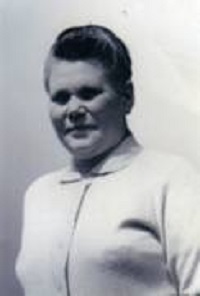
who graduated from the Kharkiv Medical Institute in 1937 and completed postgraduate study under O. I. Cherkes in 1940. N. M. Dmytriieva was the author of more than 100 scientific works. N. M. Dmytriieva worthily developed topical problems of general pharmacology and studied the effect of cardiac glycosides on the energy metabolism of the myocardium of intact animals and under conditions of cardiac insufficiency; she worked as dean of the paediatric faculty (1959–1962) and vice-rector for academic affairs (1966–1967) of the Kyiv Medical Institute. In her scientific and pedagogical work she paid much attention to introducing scientific methods into the teaching of pharmacology. In her research, N. M. Dmytriieva paid particular attention to the effect of cardiac glycosides on various aspects of energy metabolism when modelling pathological states of the cardiovascular system. Together with Academician O. I. Cherkes she supervised the candidate’s dissertations of R. D. Samilova, N. O. Gorchakova, I. F. Poliakova and K. I. Rubchynska.
- M. Dmytriieva loved students, treated them with respect, and always tried to help young people.
In 1960 N. M. Dmytriieva defended her doctoral dissertation on the topic “Features of the Pharmacodynamics of Cardiac Glycosides in Various States of the Organism.” The dissertation stands out for several positive features:
- The dissertation work was carried out as a continuation and development of the scientific research of Academician O. I. Cherkes, concerning phenomenological and biochemical pharmacology.
- The scientific work was carried out on a large number of experimental animals under conditions of acute, subacute and chronic experiment in various pathological states. This concerned changes in the function of the central nervous system — excitation and inhibition, disturbance of the oxygen balance (hypoxic and haemic hypoxia) and of heat exchange (hypothermia), cardiovascular insufficiency caused by large doses of adrenaline, and vitamin E hypovitaminosis. The dissertation work is characterized by citation of a large number of domestic and foreign literary sources.
- The novelty and originality of the experimental facts obtained. The dissertation work established that in states characterized by increased metabolism (intensification of excitation processes in the central nervous system, the initial stage of hypoxia, a moderate form of hypothermia), the pharmacological activity of cardiac glycosides remains sufficient, while the toxic properties of these medicines decrease. In initial functional states of the organism characterized by lower metabolic intensity (intensification of inhibitory processes in the central nervous system, pronounced hypoxic and haemic hypoxia, hypothermia, vitamin E deficiency and “adrenaline” insufficiency), the cardiotonic action of cardiac glycosides is weakened, while their toxic properties increase. Thus, a clear dependence was established between the sensitivity of the organism to cardiac glycosides and changes in metabolism.
- The author carried out research to establish the mechanisms of the organism’s reaction to cardiac glycosides in various functional states. One of the reasons for the change in sensitivity to cardiac glycosides is a disturbance of the pharmacokinetic properties of these preparations: the processes of metabolism, detoxification and excretion of medicines from the body. In experiments on guinea pigs, rats and cats it was shown that the elimination of cardiac glycosides increases with an increase in metabolism and slows down with a qualitatively disturbed metabolism (prolonged pharmacological sleep, deep hypoxia, hypothermia). The slowing of the elimination of cardiac glycosides leads to an increase in their toxicity.
The cumulative properties of cardiac glycosides also change in different directions. Under conditions of increased excitability of the central nervous system and at the initial stages of hypoxia, the cumulative “residue” of strophanthin decreases. When metabolism slows down, the cumulative “residue” of glycosides increases, and a significant amount of unchanged strophanthin is found in the heart muscle in states of slowed metabolism.
For a prolonged, slow, positive pharmacological action of cardiac glycosides, the initial state of the organism in which an increase in glycogen content is observed is indeed the most favourable, and in such cases the toxic action of the glycosides is less pronounced. In heart diseases and in initial states in which the glycogen content in the myocardium decreases, the doses of cardiac glycosides must be reduced.
Both in reduced and in increased metabolism, changes were observed in the level of macroergic phosphorus compounds. The intensity of the exchange of radioactive phosphate P32 increases with the intensification of the excitation process and decreases during prolonged pharmacological sleep and hypothermia. Strophanthin increases phosphorus exchange under conditions of intensified excitation processes, and also significantly intensifies the exchange of P32 against the background of prolonged pharmacological sleep and hypothermia. This indicates that the rate of breakdown of macroergic phosphorus compounds is not disturbed; rather, it is the use of this energy that changes.
With the results of her experimental research, Professor N. M. Dmytriieva confirmed the theoretical positions of Academician O. I. Cherkes concerning the trophic effect of cardiac glycosides as one of the main factors in their specific regulatory action. It was established that the initial state of the organism affects the pharmacological activity of cardiac glycosides, their specific and cardiotonic action and their toxic properties.
One of the reasons for the change in the organism’s sensitivity to cardiac glycosides is a disturbance of the processes of their biotransformation, as well as changes in the trophism of the myocardium, as indicated by the dependence between the toxicity of cardiac glycosides and the glycogen content in the heart muscle of animals, as well as changes in the intensity of incorporation of radioactive phosphorus.
Thus, the experimental studies carried out on the reaction of animals to cardiovascular substances of the foxglove group at various initial functional stages of the organism revealed certain regularities and relationships in the speed and character of the pharmacological effect, the toxic properties and the transformation of cardiac glycosides.
The data obtained in the experiment on the features of the pharmacological reaction to cardiac glycosides depending on the initial functional state of the organism may be laid as the basis for a more rational choice and prescription of cardiac agents in various forms of acute and chronic cardiovascular insufficiency.
- I. Cherkes paid attention to improving the scientific and pedagogical foundations of teaching pharmacology. Academician O. I. Cherkes delivered lectures at a high pedagogical level, with the obligatory demonstration of experiments on animals and the use of tables, and he gave examples from the foreign literature. Each lecture was marked by a scientific presentation of data from the domestic and foreign literature and by a clear exposition of the pharmacokinetics and pharmacodynamics of medicinal agents. And the department’s staff were already famous at that time for their discoveries in the field of biochemical pharmacology, pharmacokinetics, toxicology and the pharmacotherapy of various diseases. The department’s veteran, the laboratory technician I. Ye. Nemilostyvy, who worked at the department from 1933 to 1984 and was responsible for the vivarium as well as for the demonstration of experiments during lectures on rabbits, rats and white mice, recalled how much attention O. I. Cherkes and the department’s teachers paid to experiments on animals. That is why such lectures were memorable for the students.
A continuer of the ideas of Academician O. I. Cherkes is his student, Doctor of Medical Sciences (1973), Professor (1976), laureate of the State Prize (1986), Corresponding Member of the National Academy of Sciences of Ukraine (1991), Corresponding Member of the National Academy of Medical Sciences of Ukraine (1993), Honoured Worker of Science and Technology (1999), Academician of the New York Academy of Sciences (1994), Ivan Serhiyovych Chekman, who headed the Department of Pharmacology from 1972. The department’s staff work on resolving a wide range of topical questions of general, special, clinical, biochemical, radiation, ecological, physico-chemical and quantum pharmacology, nanopharmacology and phytotherapy, as well as on scientific and pedagogical activity.
In 1973 I. S. Chekman defended his doctoral dissertation on the topic “Experimental Studies of the Mechanisms of Action of Anti-adrenergic Agents.” The dissertation summarized research on the phenomenological and biochemical pharmacology of beta-adrenoblockers (anaprilin, alfeprol), sympatholytics (reserpine, octadine, ornid) and monoamine oxidase inhibitors (iprazid, pargyline, chlorzymine). The research established that the mechanism of the antihypertensive action of reserpine is based on the property of this sympatholytic to destroy the ATP/catecholamine complex. This leads to the release of noradrenaline and adrenaline from the sympathetic nerve endings and a reduction of vascular tone and arterial pressure. An important theoretical generalization was the establishment of the role of the valence of nitrogen of propynylamine derivatives in the blocking of monoamine oxidase. Inhibition of the enzyme’s activity is caused by derivatives of propynylamine that contain trivalent nitrogen. The dissertation established the leading component in the activity of the cardiovascular system that leads to the development of the hypotensive effect.
Professor I. S. Chekman and his student-professors (S. B. Frantsuzova, N. O. Gorchakova, L. I. Kazak, V. A. Tumanov, Ya. S. Hudyvok, H. I. Stepaniuk, O. H. Berehova, S. L. Nikolai, B. I. Pariy) continued and developed the scientific direction of their teacher O. I. Cherkes — biochemical pharmacology. The results of research in biochemical pharmacology at the organ, cellular and subcellular levels made it possible to establish new data on the mechanisms of the primary pharmacological effect of cardiac glycosides (digoxin, strophanthin, korglikon) and of cardiovascular agents: beta-adrenoblockers (anaprilin, metoprolol), alpha-adrenoblockers (prazosin, doxazosin), sympatholytics (reserpine, octadine, ornid), spasmolytics (papaverine, no-shpa, dibazol, nitroglycerin), calcium antagonists (verapamil, nifedipine, amlodipine), hypolipidaemic (clofibrate, ufibrate) and metabolic preparations (nicotinamide, quercetin, thiotriazoline, ATP-long, korargin, yakton), angioprotectors (pentoxifylline, nicotinamide), antidotes (unithiol, dipiroxime, aloxime) and enzyme medicinal agents (wobenzym, phlogenzym, creon).
The interaction of a drug molecule with a receptor or another biological structure of the organism leads, as a rule, to the formation of a complex with the components of the biomembrane, which contains proteins, lipids, carbohydrates, biometals, enzymes and others. It may be imagined that a medicine, thanks to the individual features of the structure of its molecule, can form complexes with the components of the molecules of biosubstrates, including biomembranes, thereby realizing the trigger mechanisms of the pharmacological action of the preparation. Research in the laboratory of the Department of Pharmacology and Clinical Pharmacology of the Bogomolets National Medical University helped to ascertain that medicinal agents form complexes of varying stability with the main membrane-binding bioligands: amino acids, lipids, carbohydrates, adenyl nucleotides, nicotinamide coenzymes and biometals.
In the laboratory of the Department of Pharmacology and Clinical Pharmacology of the Bogomolets National Medical University, jointly with the L. V. Pysarzhevsky Institute of Physical Chemistry of the National Academy of Sciences (K. B. Yatsymirsky, L. I. Budarin), the physico-chemical mechanisms of the interaction of various medicinal agents with the components of the biomembrane were studied, namely:
- Adrenomimetics: adrenaline, noradrenaline, mezaton, ephedrine, isadrine, dobutamine, dopamine.
- Adrenoblockers: prazosin, atenolol, metoprolol, alfeprol.
- ACE inhibitors: capoten, fosinopril.
- Cardiovascular agents: papaverine, ajmaline, pentoxifylline.
- Non-steroidal anti-inflammatory drugs: analgin, paracetamol, acetylsalicylic acid.
- Enzyme preparations: wobenzym, phlogenzym, wobe-mugos.
- The mucolytic preparation acetylcysteine. The results of these works were summarized in the monographs “Biological Aspects of Coordination Chemistry” (1979) and “Physical Chemistry and Clinical Pharmacology of Cardiac Glycosides” (1985).
Research in physico-chemical pharmacology made it possible to deepen the understanding of the primary mechanisms of action of medicinal agents, especially the pharmacodynamics and pharmacokinetics of preparations. But this stage in the development of pharmacology, too, could not fully reveal the essence of the “pharmacological face” of one or another medicine. Thus, the prerequisites were created for the emergence of quantum pharmacology and nanopharmacology.
On the basis of the established theoretical regularity, a purposeful synthesis was carried out of various chemical substances of non-steroidal structure with cardiotonic activity.
For the first time in the country’s practice, methodological recommendations were developed, approved by the Ministry of Health of the USSR in 1986, for the pre-clinical study of new preparations recommended for clinical trials as cardiotonic agents. In Soviet times, the department was the lead institution for the scientific problem “The Pharmacology of Glycoside and Non-glycoside Cardiotonics.”
The results of research in the field of biochemical pharmacology at the level of the systems of energy provision of cell function became the basis for a fundamentally new approach to understanding the leading role of these systems not only in the mechanisms of adaptation in the pathology of vitally important organs, but also in the realization of the metabolic component of the primary pharmacological regulatory effect. For the first time, an important theoretical generalization was made about the leading role of complex formation as a trigger mechanism of the primary pharmacological effect, which makes a substantial contribution to the development of the theory of reception and also makes it possible to resolve fundamental questions of general and experimental pharmacology.
The promise of the scientific direction being developed was confirmed by research in the pharmacology of cardiotonic agents, during which it was established for the first time that cardiac glycosides have the ability to form complexes with calcium. This is of essential significance in the manifestation of their primary inotropic action. On the basis of the established theoretical regularity, a purposeful synthesis of compounds of various chemical groups of non-steroidal structure was carried out in order to identify substances with cardiotonic activity. The technology was developed and the properties were studied of a new original compound — a derivative of succinic acid, sufan (L. N. Velovelsky). Author’s certificates were obtained for new substances that exhibit a cardiotropic effect. The original compound glucamax was studied, which successfully passed pre-clinical testing and was recommended for use in practice.
A significant contribution to the theory of general and special pharmacology was made by the department’s staff in studying the physico-chemical and molecular aspects of the pharmacodynamics of adrenergic agents. The features of the complex formation of adrenoblockers, adrenomimetic and sympatholytic agents and preparations of plant origin with cations of biometals, adenyl nucleotides, amino acids and lipids were shown (K. B. Yatsymirsky, L. I. Budarin, L. D. Romanenko, V. V. Tkachuk).
At the Department of Pharmacology and Clinical Pharmacology, research on the pharmacology of calcium antagonists was begun for the first time (I. V. Nizhenkovska). It was established that an essential role in the mechanism of the antihypertensive and antianginal action of calcium antagonists is played by their property of forming complexes with the lipid and protein components of the calcium channels.
In the aspect of the effect on the body of rats during ontogenesis of a wide range of adrenergic and anti-adrenergic agents, research was carried out in the doctoral dissertation of O. P. Viktorov. Together with staff of the Department of Paediatrics (Corresponding Member of the National Academy of Sciences of Ukraine Professor V. M. Sidelnykov, S. S. Kozak, L. I. Holopykho and others), the features of the effect on the heart muscle of the β-adrenoblocker oxeprenolol and the cardiac glycoside isolanide were revealed in experiment and in the clinic, which made it possible to introduce a number of valuable recommendations into paediatric cardiopharmacology. The results obtained were summarized in the monographs “Emergency Care in Paediatrics” (1976), “Pharmacotherapy in Paediatrics” (1980), “The Pharmacology of Cardioactive Substances in Early Ontogenesis” (1982) and “Emergency Conditions in Children” (1983).
The most effective vasodilating agents proved to be preparations (nitroglycerin, papaverine, no-shpa, dibazol, prazosin, sodium nitroprusside) that simultaneously bind cations of biometals and actively interact with the components of biomembranes (sodium nitroprusside, nitroglycerin, prazosin). The possibility of preventing metabolic disturbances in myocardial ischaemia with vasodilators was experimentally substantiated. This is realized through the effect of the preparations on the magnitude of the calcium current, which promotes a more economical use of the energy resources of the myocardium. Under conditions of experimental coronary insufficiency, vasodilators promote the normalization of energy metabolism and the restoration in the myocardium of the content of adenyl nucleotides and nicotinamide coenzymes. The prevention by vasodilating agents of calcium overload of the cardiomyocytes also promotes the normalization of their magnesium and potassium content (L. I. Kazak).
The results of the research in the doctoral dissertation of N. O. Gorchakova are devoted to the physico-chemical aspects of the complex formation of cardiotropic agents with cations of biometals. The biochemical aspects of the pharmacological effect of nitrates, papaverine and adrenoblockers are revealed in the doctoral dissertation of L. I. Kazak.
The protective effect of metabolic preparations under extreme influences was summarized in the doctoral dissertation of V. A. Tumanov.
New aspects of the mechanism of action of medicinal agents, carried out by the department’s staff, are the basis for their prescription in clinical practice. The theoretical foundations established by the department’s staff of the mechanism of action of medicinal agents are the basis for prescribing these medicines in clinical practice. Thus, to reduce the toxic effect of cardiac glycosides and non-glycoside cardiotonics in cardiac insufficiency, the following were proposed: tocopherol (Ya. S. Hudyvok), riboflavin (I. O. Borzenko), phosphaden (T. V. Kava), taurine and acetylcysteine (V. V. Babak), ubiquinone (I. M. Melnyk) and enterosorbents (V. V. Bondur). Metabolic preparations (nicotinamide, quercetin, thiotriazoline, ATP-long, yakton) prevent the development of doxorubicin cardiomyopathy (O. O. Nahorna, O. A. Vyhivska, T. S. Trofimova, O. V. Klymenko). The results of the research were summarized in reference books and monographs: “A Prescription Handbook for the Physician” (1981), “A Handbook of Clinical Pharmacology and Pharmacotherapy” (1986), “Pathology of Organs and Systems in Diabetes Mellitus” (1989), “The Excretion of Drugs during Lactation” (1989), “Biochemical Pharmacodynamics” (1991), “The Interaction of Drugs and Food” (1991), “Magnesium in Medicine” (1992), “Cardioprotectors” (2005), “Thiotriazoline” (2005), “Magnesium-containing Preparations: Pharmacological Properties, Application” (2007), “Clinical Pharmacy” (2008) and “Metabolic and Metabolitotropic Preparations in the System of Cardio- and Organoprotection” (2009).
The advisability of prescribing glycoside and non-glycoside cardiotonics to increase the inotropic effect and reduce toxicity, and the determination of their ratio, was demonstrated by O. V. Roshchupkina. New aspects of the effect of glycoside and non-glycoside cardiotonics under conditions of blocking glycolysis and oxidative phosphorylation were studied by V. Yu. Diachenko, and in alcoholic cardiomyopathy by N. V. Savchenko.
In the mechanism of action of glycoside and non-glycoside cardiotonics, an essential role is played by the disturbance of the processes of glycolysis and oxidative phosphorylation in the heart muscle. Changes in these biochemical processes significantly affect the state of the contractile function of the myocardium, the activity of the heart and the state of haemodynamics. A more pronounced metabolic effect was established with the use of the non-glycoside cardiotonic sufan (V. Yu. Diachenko). The scientific work was presented at the competition of young scientists of the Academy of Sciences of the Ukrainian SSR and was awarded a diploma and the medal of a laureate.
In recent years, research has established that in spontaneous arterial hypertension in rats there are pronounced dystrophic morphological (electron-microscopic and histochemical) as well as physiological and biochemical changes in the myocardium of these animals. Antihypertensive preparations (bisoprolol, lisinopril, carvedilol, indapamide, amlodipine) reduce arterial pressure and decrease the negative changes in the heart muscle (L. O. Stychenko, N. A. Kolesova, T. P. Kuftereva, L. I. Antonenko, T. S. Briuzgina, R. S. Dovhan, A. M. Puzyrenko). With the combined use of antihypertensive preparations and metabolic medicinal agents (quercetin, thiotriazoline, elgacin), the normalizing effect on the structure and function of the myocardium increases significantly. The experimental results obtained were confirmed in clinical practice at the Department of Internal Medicine No. 3 in the treatment of patients with arterial hypertension (A. S. Svintsitsky, M. I. Zahorodny).
An original triazole derivative and, to a greater extent, its metabolite have an antitoxic, organoprotective effect in acute intoxication with sodium nitrite, sodium nitroprusside and sodium fluoride. When modelling haemic and histotoxic hypoxia, these compounds, unlike ATP-long — which under these conditions prevents the occurrence of disturbances in the formation and transport of energy and possesses antioxidant properties — have a protective effect with respect to the aerobic formation of energy, protein synthesis, and the function and structure of mitochondria. The biologically active substances (the triazole derivative and its metabolite) protect the myocardium and liver tissues from nitrosative and oxidative stress (O. V. Klymenko).
Research was carried out to determine the actoprotective activity of the succinic-acid derivative yakton compared with the derivative of this acid mexidol, and of kratal compared with its base compound taurine, under speed and strength loads, as well as under conditions of cooling and hyperthermia. Antioxidant, genome-protective and antihypoxic properties had previously been established for yakton and taurine. A protective effect of yakton was established in haemic, hypoxic and histotoxic hypoxia with respect to indicators of prooxidant-antioxidant protection. Yakton preserves the morpho-functional activity of neurons when modelling hypoxia, as well as under the influence of N-methyl-D-aspartate, which damages neurons. The mitoprotective activity of this compound was determined (prevention of the opening of the mitochondrial pore, restoration of the potential of mitochondria). Under the action of load, cooling and hyperthermia, yakton — like mexidol — and also kratal prevent, in the myocardium, liver and skeletal muscles of rats, changes in the indicators of prooxidant-antioxidant homeostasis and of the fatty-acid composition of lipids, and in the blood they reduce the content of markers of tissue damage (alanine and aspartate aminotransferases, alkaline phosphatase) and increase the osmotic resistance of erythrocytes (I. Yu. Yakovleva).
Metabolic and metabolitotropic preparations (quercetin, corvitin, thiotriazoline) exhibited a protective, dose-dependent effect in intoxication with isoniazid and rifampicin; they prevented the occurrence of disturbances of the central nervous system, shortened thiopental sleep, prevented the occurrence of disturbances of prooxidant-antioxidant homeostasis and of the fatty-acid composition of lipids in the myocardium and liver tissues, increased the osmotic resistance of erythrocytes, reduced the intensity of dystrophic changes in hepatocytes, and normalized histochemical indicators (A. O. Riznichenko).
In doxorubicin cardiomyopathy and acute intoxication with doxorubicin, sodium fluoride and fluorouracil, a protective effect of the succinic-acid derivative yakton was determined (O. O. Maksymchuk).
Together with staff of the Institute of Gerontology of the National Academy of Medical Sciences of Ukraine (L. P. Kuprash, N. O. Gorchakova), the pharmacology of the cardioprotector korargin was studied; its protective effect was established with respect to the indicators of lipid peroxidation, antioxidant protection, energy metabolism and the nitric-oxide system in hypoxic states, doxorubicin cardiomyopathy, adrenaline and theophylline myocarditis, and experimental hypertension.
In collaboration with scientists of the Institute of Gerontology of the National Academy of Medical Sciences of Ukraine, the biochemical pharmacodynamics of spirulina and of new plant agents — ladostim, adiston and cardiolin — was studied. The antioxidant and organoprotective action of these compounds was established. In addition, at the Department of Pharmacology and Clinical Pharmacology, a screening of derivatives of succinic and glutamic acids, uracil and plant extracts for the presence of cardiotonic, cardioprotective and antihypoxic action was carried out.
At the department, research was carried out on the pharmacological properties of the physiologically active substances of plants. Together with the Central Botanical Garden of the National Academy of Sciences of Ukraine (A. M. Hrodzynsky, L. H. Golota, A. F. Lebeda) it was established that the essential oils of plants have the property of forming complexes with xenobiotics of organic and inorganic origin, significantly reducing their toxicity. Together with associate professor L. H. Golota and staff of the National Technical University “Kyiv Polytechnic” (O. F. Tyshchenko, A. H. Volodina), an original preparation of plant origin, carbulose, was obtained, which removes radionuclides and salts of heavy metals from the body. Carbulose was recommended by the Ministry of Health of Ukraine for wide use in clinical practice.
The research of the Department of Pharmacology and Clinical Pharmacology and the Institute of Gerontology of the National Academy of Medical Sciences of Ukraine (L. P. Kuprash) studied the properties of the alga spirulina. The preparation “Spirulina” was recommended for use in clinical practice. Together with staff of the Institute of Pharmacology and Toxicology of the Academy of Medical Sciences of Ukraine (V. S. Danylenko, O. K. Siroshtan) and the Zhytomyr Research Institute of Hop-growing, the preparation corvaldin was developed, which is widely used in medical practice for the treatment of various diseases. In recent years, the combined plant preparations korargin, ladostim and others have been obtained and introduced into medical practice.
The preparations of plant origin germogran and levorx are used for the treatment of chronic poisonings, including in people affected by the accident at the Chernobyl nuclear power plant (O. V. Shumeiko).
The results of this research were summarized in the monographs: “Phytoncides in Ergonomics” (1986), “Phytoncides in Medicine” (1990), “Plant Medicinal Agents” (1993), “Ecological Pharmacology” (2000), “Spirulina and Health” (2000); “Clinical Phytotherapy” (2000, 2006), “Cardiotonic Steroids” (2009).
On the basis of an analysis of the data of the literature and taking into account the department’s own research, a new direction of modern pharmaceutical science was defined — quantum pharmacology: this is a science that applies the principles of theoretical chemistry, quantum physics and quantum mechanics, together with methods of computer modelling, to study the molecular structure of medicinal agents and the mechanisms of their interaction with receptors and with the biomolecules of the organism, in order to establish the primary pharmacological reaction of medicines, as well as for the purposeful synthesis of original preparations with a view to their more rational use in clinical practice.
Over more than twenty years of the development of quantum pharmacology at the department, the main provisions of this direction can be defined in the following aspects:
- Study of the spatial structure and electronic structure of the molecule of medicinal agents.
- Establishment of the relationship between the chemical structure and the pharmacological activity of medicines (QSAR).
- The role of the solvent in the mechanism of action of preparations.
- Determination of the pharmacophores of medicinal agents.
- Development of de novo design of agents for the treatment of various diseases.
- Prediction of the pharmacological activity of medicinal agents.
- Protein-ligand interactions in the reaction between the physiologically active substances of preparations and biomolecules.
- Study of the primary mechanisms of action of medicinal agents.
The quantum-pharmacological characteristics of cardiovascular agents were considered: cardiac glycosides (digoxin), angiotensin-converting-enzyme inhibitors — capoten (captopril), lipril (lisinopril) — adrenoblockers (propranolol, atenolol, metoprolol, carvedilol), mediators (acetylcholine, adrenaline, noradrenaline), metabolic preparations (quercetin, yakton, taurine, nicotinamide, thiotriazoline, acetylcysteine), derivatives of xanthine and aporphine, and medicines of various chemical structure (pentoxifylline, ufibrate).
Using the methods of quantum chemistry, the molecular mechanisms of the interaction of alpha-1-adrenoblockers with receptors, with human serum albumin and with DNA were studied. As a result of the research, QSAR models were developed of the dependence of the alpha-1-adrenoblocking activity of derivatives of aporphine and arylpiperazines on the charges on the atoms and on topological descriptors. It was shown that the binding constants of arylpiperazines with alpha-1-adrenoreceptors, obtained using the QSAR model, statistically correspond to the results of studies on the isolated vas deferens of rats. Using the method of molecular docking, the amino-acid residues of human serum albumin and of the alpha-1A-adrenoreceptor that interact with doxazosin were established. A molecular-pharmacological analysis of the cytotoxic properties of alpha-1-adrenoblockers of various chemical groups was carried out. It was established that doxazosin binds to DNA in the manner of intercalators (T. Yu. Nebesna).
Quantum-pharmacological studies of the molecule of isoniazid and of the molecule of its metabolite showed that hepatotoxicity is caused by monoacetylhydrazine. Quercetin directly interacts with monoacetylhydrazine. A hydrogen bond between the hydrogen atom of the hydroxy group of quercetin and an atom of monoacetylhydrazine determines one of the mechanisms of the protective action of quercetin in isoniazid intoxication. The data obtained theoretically substantiated the advisability of including metabolic and metabolitotropic preparations in tuberculosis treatment schemes (I. S. Chekman).
The protective action of nicotinamide in acute doxorubicin intoxication was established; the protective effect of nicotinamide on the state of cardiac and systemic haemodynamics was shown. In doxorubicin cardiomyopathy the preparation prevents changes in the working and stroke indices, in the maximum pressure of the left ventricle and in systemic arterial pressure. The data obtained showed the advisability of prescribing nicotinamide in the oncology clinic and of including it in the treatment schemes of other diseases, taking into account the protective and adaptive action of this metabolic preparation (O. O. Nahorna). The results of the research were summarized in the monograph “Nicotinamide,” 2008.
About 10 years ago, research was begun at the Department of Pharmacology and Clinical Pharmacology on a new direction of modern science — nanopharmacology. Nanopharmacology studies the physical, physico-chemical, biological, biochemical, pharmacodynamic and pharmacokinetic properties of nanopreparations developed on the basis of nanotechnologies, the indications and contraindications for their use, and their possible side effects. Research on studying the properties of nanodispersed silica was begun in Ukraine by the Institute of Surface Chemistry of the National Academy of Sciences of Ukraine (O. O. Chuiko, M. T. Kartel, V. O. Pokrovsky) and the M. I. Pyrohov Vinnytsia National Medical University (V. M. Moroz, O. O. Pentiuk, H. I. Stepaniuk) and culminated in the creation and introduction into medical practice of a new, original preparation — silix, which is widely used for the treatment of poisonings and in surgical practice.
Together with the O. O. Chuiko Institute of Surface Chemistry of the National Academy of Sciences of Ukraine (Ye. F. Voronin), a new, original suspension of nanodispersed silica was developed. It was shown that the suspension of nanodispersed silica exhibits a pronounced antitoxic effect against xenobiotics of various chemical structure and mechanism of action (L. I. Kazak, O. V. Nitsak). Research was begun on studying the properties of composites of nanosilver and nanodispersed silica (D. S. Savchenko).
With a view to continuing, expanding and deepening the research in nanopharmacology, on the initiative of the President of the National Academy of Sciences, Academician B. Ye. Paton, and the Rector of the Bogomolets National Medical University, Academician of the National Academy of Medical Sciences of Ukraine V. F. Moskalenko, a joint laboratory “Electron-beam Nanotechnology of Inorganic Materials for Medicine” was created by the Ye. O. Paton Electric Welding Institute and the Bogomolets National Medical University.
The scientists of the laboratory “Electron-beam Nanotechnology of Inorganic Materials for Medicine,” together with the Department of Pharmacology and Clinical Pharmacology, the institutes of the National Academy of Sciences and the National Academy of Medical Sciences of Ukraine, and the higher medical educational institutions of Ukraine, obtained the following scientific facts:
- A technology was developed for obtaining nanoparticles of silver and copper and their composites, as well as nano-iron, nano-zirconium, nano-aluminium, other metals and nanocarbon.
- The features of the interaction of nanoparticles of silver, copper and iron with the components of the biomembrane are being studied, which is of important significance for establishing the mechanism of action of the nanoparticles.
- It was established that nanoparticles of silver and copper and their composites exhibit a more pronounced antimicrobial effect than these metals of ordinary size (Institute of Epidemiology and Infectious Diseases, director — Professor V. F. Mariievsky).
- A technology was developed for obtaining medicinal forms: ointment, gel and emulsion of nanoparticles of silver, copper and their composites (Lviv National Medical University, rector Professor B. S. Zimenkovsky, associate professor S. B. Bilous).
- A technology was developed for obtaining suppositories of nanoparticles of silver (Kharkiv National Medical University, rector — Corresponding Member of the National Academy of Medical Sciences Professor V. M. Lisovy, Professor T. V. Zviahintseva, associate professor H. O. Syrova).
- It was established that in these medicinal forms the nanoparticles of silver and copper and their composites exhibit a more pronounced antimicrobial effect than these metals of ordinary size (Institute of Epidemiology and Infectious Diseases, director Professor V. F. Mariievsky).
- Together with the Department of Pharmacology and Clinical Pharmacology of the Bogomolets National Medical University, in addition to those noted above, various aspects of nanomedicine and nanopharmacology are being studied at the higher medical (pharmaceutical) educational institutions of Ukraine:
- National University of Pharmacy (rector — Corresponding Member of the National Academy of Sciences V. P. Chernykh).
- Vinnytsia National Medical University (rector — Academician V. M. Moroz).
- Zaporizhzhia Medical University (rector — Professor O. M. Kolesnyk).
- Dnipropetrovsk Medical Academy (rector — Academician H. V. Dziak).
- Odesa Medical University (rector — Academician V. M. Zaporozhan).
- Ternopil Medical University (rector — Corresponding Member L. A. Kovalchuk).
- Luhansk Medical University (rector — Professor V. M. Ivchenko).
- Poltava Medical (Dental) Academy (rector — Professor M. V. Zhdan).
Interesting research was carried out at the National University of Pharmacy (V. P. Chernykh, S. M. Drohovoz, L. V. Yakovleva) on studying the properties of nanotubes; at the Dnipropetrovsk State Medical Academy (V. Y. Mamchur, V. F. Shatorna, O. O. Savchenko) on studying the effect of nanoparticles on the function of the central nervous system and on embryogenesis; at the Odesa Medical University (V. Y. Kresiun, V. V. Hodovan, V. O. Ulianov) — the immune system and connective tissue; at the Zaporizhzhia Medical University (V. O. Tumansky, I. F. Belenichev) — energy metabolism in the body of animals; at the Ternopil Medical University (K. A. Posokhova) — the function of the parenchymatous organs; at the Luhansk State Medical University (V. D. Lukianchuk) — in the syndrome of endogenous intoxication; at the National Medical Academy of Postgraduate Education (O. P. Mintser) — the effectiveness of nanoparticles in diabetes.
The teachers of the Department of Pharmacology and Clinical Pharmacology carried out research in nanopharmacology together with the F. D. Ovcharenko Institute of Biocolloidal Chemistry (Z. R. Ulberg, T. H. Hruzina, L. S. Riznichenko, S. M. Dybkova). As a result of joint research, a technology was developed for obtaining colloidal solutions of nanosilver, nanocopper, nano-iron and nanobismuth, as well as for studying their pharmacological activity (A. O. Pryskoka, P. V. Simonov, A. M. Doroshenko, A. V. Karnaukhova).
For research in radiation pharmacology, in 1986 I. S. Chekman, N. O. Gorchakova and V. A. Tumanov received the State Prize of Ukraine in the field of science and technology.
In 1983, on the basis of the Department of Pharmacology of the Kyiv Medical Institute, a course in clinical pharmacology was founded for teaching this discipline — new at the time — to sixth-year students of the therapeutic and paediatric faculties. The introduction into the curricula and programmes of higher medical educational institutions of the new academic discipline of clinical pharmacology became an important step in improving the quality of training of future physicians. In the time that has passed, organizational, methodological and informational foundations of teaching have been laid at the National Medical University, and a contingent of qualified teachers has been trained.
In 1983, on the initiative of Professor I. S. Chekman, Doctor of Medical Sciences, associate professor O. P. Viktorov was appointed responsible for the course in clinical pharmacology. The first teachers were Professor I. S. Chekman, Candidates of Medical Sciences and associate professors O. T. Rybak, L. I. Holopykho and O. V. Shcherbak, and the assistant, Candidate of Medical Sciences, P. O. Anheluta.
The staff of the clinical pharmacology course faced the task, proceeding from the qualification profile of a physician, of teaching the medical student the ability to link the strategy and tactics of pharmacotherapy with the individual features of the patient’s organism and the course of the pathological process. It was possible to solve this problem only by relying on, and developing, the data of experimental pharmacology, as well as by drawing on knowledge of the pharmacodynamics and pharmacokinetics of drugs, the interaction of medicinal agents in the human body, and the complications of pharmacotherapy.
At first, owing to the absence of its own clinical base, teaching was begun in those medical and preventive establishments of Kyiv where, depending on the specialization, sixth-year subordinator students were trained. Later, the clinical pharmacology course acquired its own clinical bases.
The staff of the clinical pharmacology course prepared and published methodological recommendations on teaching individual sections of clinical pharmacology, and developed and introduced into the educational process the “Protocol for Studying the Efficacy and Safety of Medicinal Agents,” which serves as the basis for students’ individual written work. This methodological development was made the basis for creating similar written works in most medical higher educational institutions of Ukraine.
Until 2001 the clinical pharmacology course was taught at all the therapeutic faculties of the university. In the same year, the teaching of a clinical pharmacy course to students of the pharmaceutical faculty was begun and successfully mastered, and the teaching of clinical pharmacology to dental students was introduced. Beginning in 2005, students of the medico-psychological faculty also gained the opportunity to study this discipline as part of the course.
Throughout the existence of the clinical pharmacology course, its staff carried out intensive scientific research. From 1983 to 1990, the features of the biotransformation of drugs in children suffering from bronchial asthma were studied, which made it possible to give recommendations for increasing the efficacy and safety of pharmacotherapy. At the same time, on another clinical base, the state of drug biotransformation in patients with connective-tissue diseases was studied by means of the “antipyrine test.” In 1991–1995 the staff of the course were co-performers of a project on optimizing the use of antibiotics, which made it possible to prevent the occurrence and spread of hospital-acquired infection in a multidisciplinary inpatient facility. The research results obtained became the basis for the creation of a computer programme that, on the basis of dynamic epidemiological monitoring and monitoring of the pharmacokinetic parameters of antibacterial preparations, made it possible to select adequate therapy for patients and also to forecast the advisability of purchasing particular groups of medicinal agents. From 1996 to 1998 the staff of the course studied the role of the functional state of the liver and kidneys in the genesis of multi-organ dysfunction in patients with peritonitis. On the basis of the data obtained, an algorithm for the prevention and therapy of this syndrome was developed. Another group of staff studied the comparative efficacy of nifedipine preparations of ordinary and prolonged action in patients with arterial hypertension. The teachers of the course carried out research on identifying the frequency and nature of complications of pharmacotherapy in Kyiv (associate professor O. T. Rybak, associate professor L. I. Holopykho), and also studied the features of the use of medicinal agents that improve myocardial metabolism in various pathological states (T. S. Trofimova, I. V. Kokhanov, O. P. Tkachenko).
The staff of the clinical pharmacology course constantly provided and continue to provide medical and consultative assistance to patients and physicians at the clinical bases of the course, and they also carry out lecturing and educational work among physicians of many medical and preventive establishments of Kyiv, acquainting the latter with modern scientific research in the field of the creation and introduction into medical practice of new, highly effective medicinal agents, and teaching the rational and safe use of medicines. The teachers of the department introduce the results of their research into clinical practice, as well as into scientific and pedagogical activity, through the publication of monographs and manuals: “A Prescription Handbook for the Physician” (1981–2006, 8 editions), “A Prescription Handbook for the Endocrinologist” (1990), “A Handbook of Over-the-counter Preparations. Responsible Self-medication” (2004–2008, 5 editions) and “The Safety of Drugs” (2008).
Each year, students of the advanced-training faculty, as well as teachers of higher educational institutions and medical colleges of the country, study on the basis of the department.
Under the supervision of Professor I. S. Chekman, doctoral dissertations were defended (S. B. Frantsuzova, O. P. Viktorov, N. O. Gorchakova, S. L. Nikolai, Ya. S. Hudyvok, S. S. Kozak, H. I. Stepaniuk, Ya. Y. Tymoshenko, V. A. Tumanov, S. A. Kuzmenko, O. Y. Hrynevych, A. V. Kyrychenko, V. A. Turmanauli, L. I. Kazak, O. H. Berehova, B. I. Pariy, T. M. Hanich, I. V. Nizhenkovska and others), and candidate’s dissertations (N. M. Potiomkina, S. S. Kozak, I. V. Nizhenkovska, V. V. Tkachuk, N. M. Puzenkina, L. I. Holopykho, I. O. Borzenko, O. Y. Hrynevych, H. K. Borovkova, N. Ye. Nuryshchenko, I. V. Hryha, I. H. Melnyk, T. V. Kava, V. V. Babak, M. I. Doni, O. V. Roshchupkina, I. Yu. Melnyk, V. Yu. Diachenko, N. V. Savchenko, A. M. Melnyk, V. V. Bondur, O. V. Shumeiko, O. O. Nahorna, T. S. Trofimova, O. V. Nitsak, A. V. Reznichenko, R. S. Dovhan, T. Yu. Nebesna and others).
Professor ZAYCHENKO Ganna Volodymyrivna, born on 11.08.1967 in Dushanbe, Tajikistan — Doctor of Medical Sciences (2010), associate professor (2000), professor (2012), Distinguished Educator of Ukraine, head of the Department of Clinical Pharmacology of the Institute for Advanced Training of Pharmacy Specialists of the National University of Pharmacy (from 2011 to 2016). From 2016 to 2026 she has been the head of the Department of Pharmacology of the Bogomolets National Medical University.
She takes an active part in scientific events of international and national level and is a speaker at scientific and practical conferences. She is the co-author of 32 educational and methodological publications, among them: 3 textbooks, 15 study manuals (including in English, French and Arabic), an atlas of pharmaceutical care, an album, 3 reference books, selected lectures, model curricula in pharmacology for the specialty “Pharmacy,” a unified advanced-training programme for pharmacy specialists and clinical pharmacists, and a programme of primary specialization (internship) in the specialty “Clinical Pharmacy.” She participated in preparing the materials for the licensing of the specialty “Clinical Pharmacy,” a new educational service — the advanced training of physicians in clinical pharmacology — and in developing the state educational standards for training specialists in the specialties “Pharmacy” and “Clinical Pharmacy.”
Directions of scientific research: the search for and pharmacological study of tocolytic agents; the experimental substantiation of the creation of correctors of reproductive functions (gravidoprotectors, prostatoprotectors, phytoestrogens) on the basis of amino sugars and glycosaminoglycans; the study of the pharmacological activity of nanopreparations and photoprotectors; and applied pharmacogenetics.
In 1995 she defended her candidate’s dissertation “A Pharmacological Study of the Tocolytic Ventocol” (scientific supervisor — Professor S. M. Drohovoz), and in 2010 her doctoral dissertation “The Pharmacological Substantiation of the Creation of a New Corrector of Reproductive Functions on the Basis of Glucosamine Hydrochloride” (scientific consultant — Professor L. V. Yakovleva).
She is the author of more than 400 scientific and educational-methodological publications, among them more than 200 articles (12 in journals indexed in Scopus and Web of Science, Q1–4), 6 monographs, 24 patents, and methodological recommendations approved by the State Expert Centre of the Ministry of Health of Ukraine. Her Hirsch index is 6 in Google Scholar, 2 in Scopus and 1 in Web of Science. She has trained 12 candidates of medical and pharmaceutical sciences and 1 Doctor of Philosophy in the specialty “Pharmacy.” At present she is the scientific supervisor of 5 candidates for the academic degree of “Doctor of Philosophy.”
With the participation of Professor G. V. Zaychenko, medicinal products were developed that travelled the path from development to the pharmacy shelf, among them the vaginal gel “Klevazol” for the treatment of bacterial-fungal diseases in gynaecology; “Fitoprost” for the treatment of benign prostatic hyperplasia; and the rectal gel “Dilatil” for the treatment of anal fissure and haemorrhoids.
Public activity. She is a full member of the all-Ukrainian public organization “Association of Pharmacologists of Ukraine” (Head of the Kyiv regional branch), an academician of the public organization National Academy of Sciences of Higher Education of Ukraine, of the International Union of Basic and Clinical Pharmacology “IUPHAR,” the British Pharmacological Society “BPS,” and the European Association for Clinical Pharmacology and Therapeutics “EACPT.” She is a member of the specialized academic council D 64.605.03 for the defence of doctoral and candidate’s dissertations at the National University of Pharmacy, a member of the specialized academic council D 26.550.01 for the defence of doctoral and candidate’s dissertations at the State Institution “Institute of Pharmacology and Toxicology of the National Academy of Medical Sciences of Ukraine”; and a member of the editorial board of the scientific professional journals “Pharmaceutical Journal” and “Pharmacology and Drug Toxicology.”
She has been honoured with a Certificate of Honour of the Verkhovna Rada of Ukraine, a Letter of Gratitude of the Prime Minister of Ukraine, certificates of the Ministry of Health of Ukraine, the Ministry of Education and Science of Ukraine, and the Kharkiv City Council, the badge “Distinguished Educator of Ukraine” (2010), a Certificate of Honour of the State Service of Ukraine on Medicines (2013), a Letter of Gratitude of the Head of the Kharkiv Regional State Administration (2014), of the National University of Pharmacy (2016), the O. O. Bogomolets Medal (2021), and the M. D. Strazhesko Medal (2022).
