


Department of Anesthesiology and Intensive Care
About the department

The course of “Anesthesiology and resuscitation” was taught by the departments of faculty surgery named after Academician O. P. Krymov, hospital surgery, and surgery of the Faculty of Dentistry before the Department of Anesthesiology and Resuscitation was established.
The first instructors who were anesthesiologists by specialty and began teaching Anesthesiology and Resuscitation in the surgical departments of the Kyiv Medical Institute (KMI) before a separate department was established were: V. P. Zhalko-Tytarenko (Department of Hospital Surgery); G. S. Antonova (Department of Faculty Surgery named after Academician Krymov); V. D. Bratus (Department of General Surgery of the Faculty of Dentistry). The independent Department of Anesthesiology and Resuscitation was officially established on July 16, 1974.
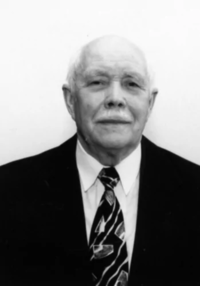
The first head of the Anesthesiology and Resuscitation department was Professor Leonard Petrovych Chepkyi, one of the founders of the Ukrainian Anesthesiology, Resuscitation and intensive care school. He was a recipient of the State Prize of Ukraine and an Honored Figure in Science and Technology of Ukraine. The department’s first staff members were Associate Professor V. F. Zhalko-Tytarenko and assistants D. A. Koval, A. Ye. Deputat, G. S. Antonova, and others.
From its establishment, the department’s principal area of research was the study of anesthesia and postoperative intensive care in patients with peritonitis and pancreatitis. This was the subject of the doctoral dissertation defended by V. P. Tsertii in 1980. The research led to the introduction into clinical practice of new intensive care techniques: hemodilution and forced diuresis, artificial local hypothermia, and methods for the balanced correction of disturbances in water and electrolyte balance, acid–base status, protein and nitrogen metabolism, and the rheological properties of blood. These measures helped reduce mortality among patients with peritonitis by 12%.
Alongside its work on peritonitis, the department studied methods for preventing and treating acute respiratory failure. Techniques for spontaneous breathing with positive expiratory pressure were developed and introduced into clinical practice, helping to nearly halve the incidence of postoperative pulmonary complications. Later, the department began an in-depth study of peritonitis and intensive care in elderly and very old patients. A monograph based on this research, Intensive Care of Surgical Patients of Advanced and Old Age, was published in 1987.
The department also actively studied anesthetic management in abdominal surgery. In 1990, the findings were brought together in the monograph Anesthesia and Postoperative Intensive Care in Patients with Obesity. In developing intensive care techniques, considerable attention was also given to selecting methods of postoperative pain relief.
Given the high incidence of stress-related postoperative ulcers and gastric bleeding, the department’s staff studied their causes and pathogenesis, as well as methods for preventing and treating these complications. Another area of research was intensive care for patients with leptospirosis. This work was particularly important at the time because cases were increasing markedly and mortality was high. The use of extracorporeal detoxification methods helped reduce mortality in this patient group by 47%. At the same time, department staff worked on the intensive care of critically ill patients.
The department’s work extended beyond anesthesiology and intensive care to include emergency and urgent medical care. In 1987, at the request of the Ministry of Health, the department collaborated with anesthesiology and resuscitation departments of other medical universities to develop a general curriculum and teaching materials for physicians undertaking postgraduate internship training in anesthesiology and resuscitation. In 1988, the department began training medical interns.
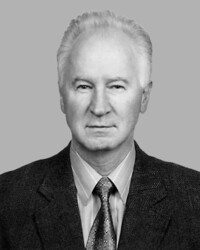
From 1990 to 2001, the department was headed by Doctor of Medical Sciences, Professor Anatolii Yefymovych Dubytskyi. In 1991, it was reorganized as the Department of Anesthesiology, Resuscitation, and Disaster Medicine. During this period, its research focused on clinical physiology: the department studied complex pathophysiological disorders associated with critical conditions and put the latest scientific advances into practice. A defining feature of its work was its close connection with clinical medicine.

In 2002, the department was headed by Doctor of Medical Sciences, Professor Feliks Semenovych Glumcher. Since 2004, it has been called the Department of Anesthesiology and Intensive Care. This stage of its development was marked by active work by the head and staff in research, clinical practice, and teaching.
From 2020 to 2022, the department was headed by Doctor of Medical Sciences, Professor Serhii Oleksandrovych Dubrov. Since 2022, the acting head of the department has been Candidate of Medical Sciences and Associate Professor Svitlana Mykolaivna Yaroslavska.
The department takes an active part in the work of the Association of Anesthesiologists of Ukraine and in the preparation of scholarly publications, including the journal Pain, Anesthesia and Intensive Care, as well as teaching guidelines, textbooks, and manuals.
Today, the department combines longstanding academic traditions with the development of modern medical education, clinical practice, and research. A key part of its work is preparing future physicians to practice in situations that demand prompt, well-founded decisions, effective teamwork, and a strong commitment to patient safety. The curriculum covers anesthesiology and intensive care, as well as emergency and urgent medical care. The department uses modern teaching materials and equipment, including video laryngoscopes, an ultrasound machine, mechanical ventilators, and training models.
Since 2022, during the full-scale war, the department’s work has taken on particular importance. Its faculty have continued teaching, research, and clinical work, adapting these activities to the new challenges facing the healthcare system. Particular attention is given to preparing future physicians to care for patients in emergency and critical conditions, including situations involving mass casualties, severe trauma, and the need for intensive care. Key elements of the training include making prompt clinical decisions, working effectively as a team, stabilizing patients, and following safety principles. Despite the difficult circumstances, the department continues to train specialists whose professional competence and sense of responsibility are especially vital to Ukrainian healthcare.
The department’s history is a journey from the establishment of the specialty to its continued development—a journey centered on professional medical training, scientific inquiry, and patient care.
