News continuation
New №40
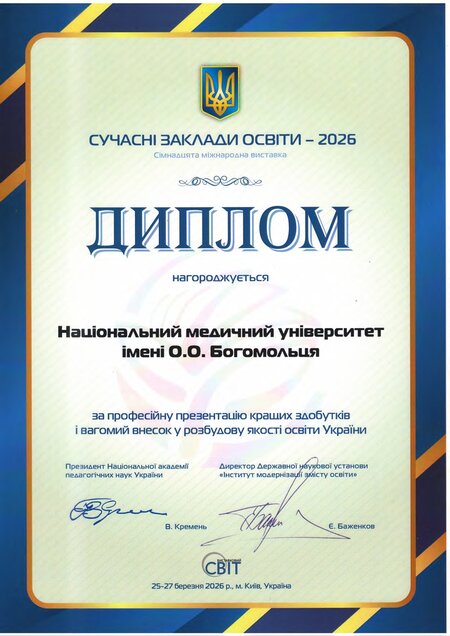
BOGOMOLETS NATIONAL MEDICAL UNIVERSITY — A LEADER IN EDUCATIONAL INNOVATION: GRAND PRIX AND GOLD MEDALS AT “MODERN EDUCATIONAL INSTITUTIONS – 2026”
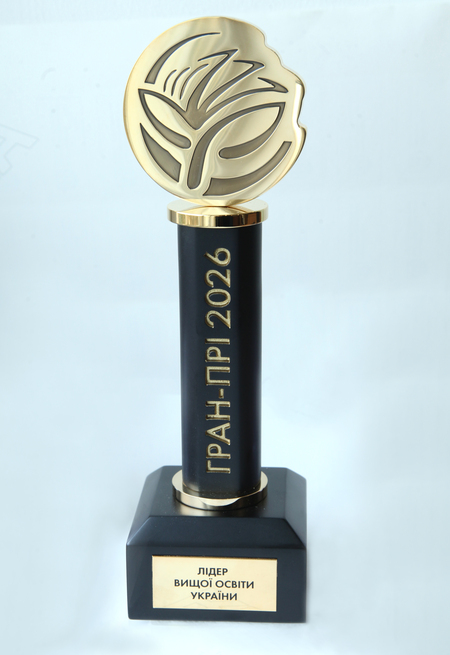
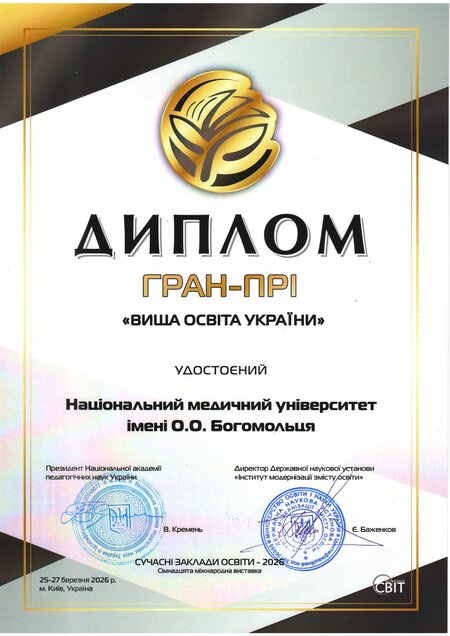
Bogomolets National Medical University was awarded the Grand Prix “Leader of Higher Education of Ukraine” and two gold medals at the 17th International Exhibition Modern Educational Institutions – 2026, confirming its status as one of the leaders in the transformation of medical education in Ukraine. These high distinctions were granted following the results of the ranking exhibition competition and the contest across 12 thematic nominations, which attracted over 500 submissions, reflecting strong competition and the high quality of presented educational innovations.
The event was organized by “Exhibition World” with informational and methodological support from the National Academy of Educational Sciences of Ukraine and the Institute of Education Content Modernization. Around 500 participants from different regions of Ukraine, as well as Poland, Lithuania, Romania, Hungary, and Estonia, took part in the exhibition. The event traditionally serves as a powerful platform for consolidating efforts of researchers, educational administrators, and practitioners around key challenges of modern education, including digital transformation, the implementation of innovative pedagogical approaches, and the development of an inclusive educational environment.
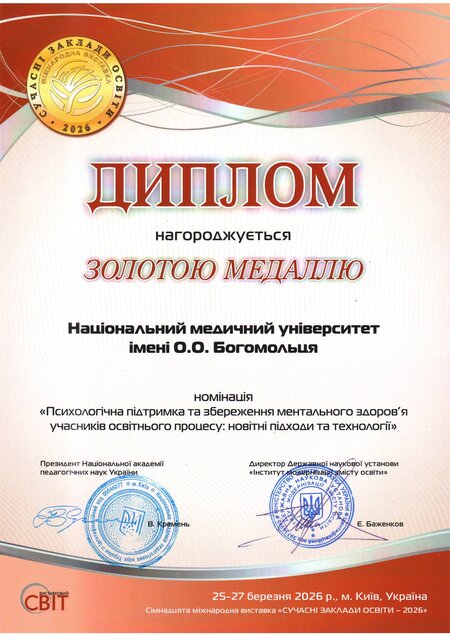
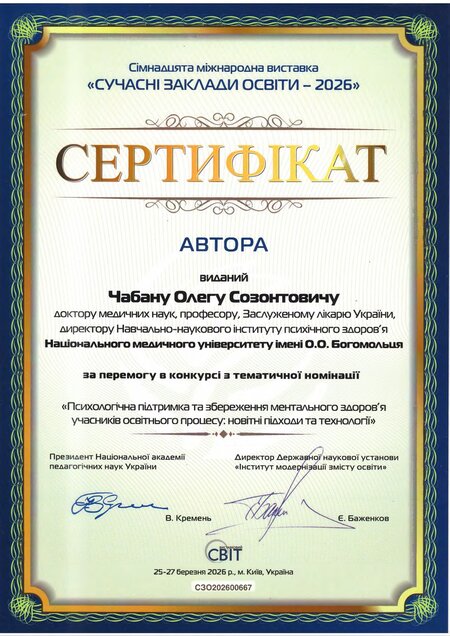
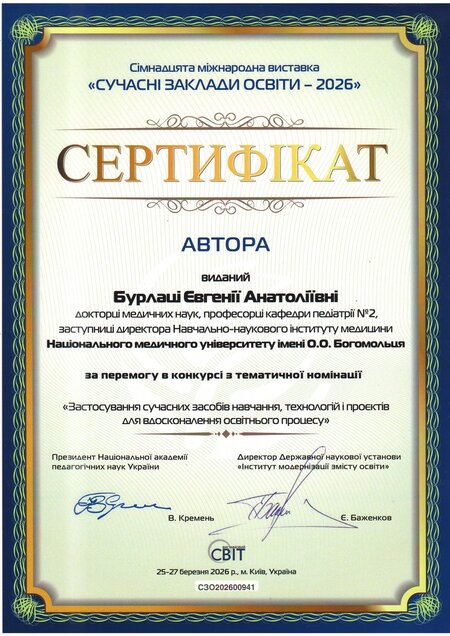
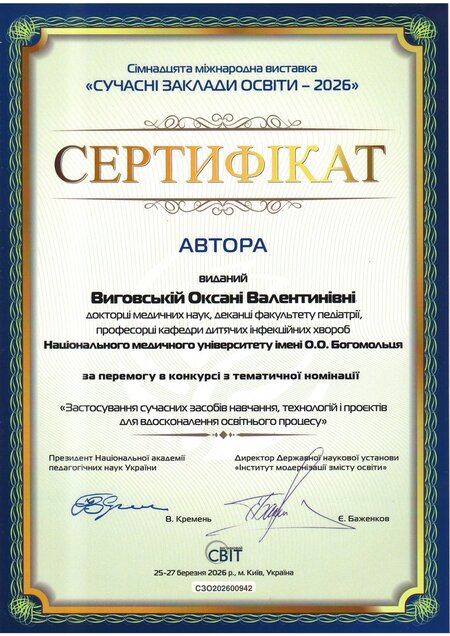
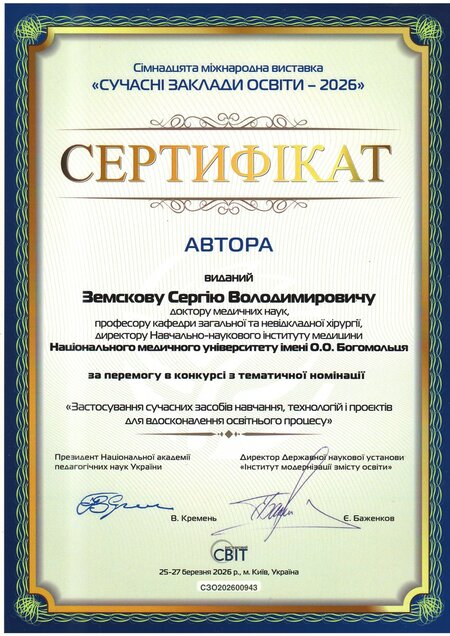
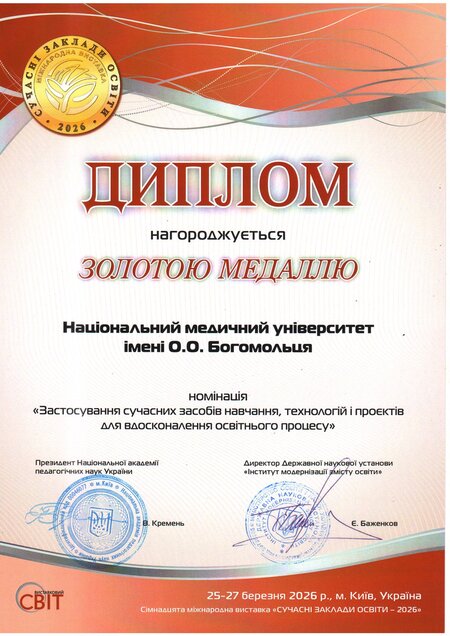
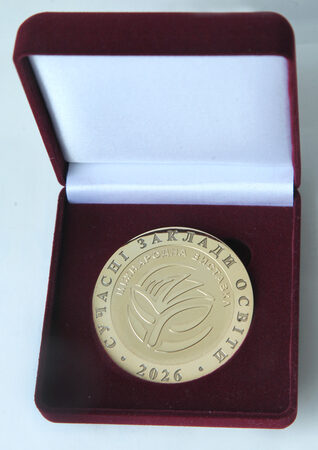
Within the exhibition, the university presented innovative developments, particularly in the fields of mental health support and the implementation of modern educational technologies, fully aligning with the strategic goals of the UkraineDigiTrans project on the digital transformation of medical education. As a result of its participation, the university received two gold medals: in the nomination “Psychological Support and Mental Health Preservation of Participants in the Educational Process: Latest Approaches and Technologies” and in the nomination “Application of Modern Teaching Tools, Technologies, and Projects to Improve the Educational Process.” These achievements directly correlate with the objectives of UkraineDigiTrans, aimed at advancing digital transformation, integrating innovative educational technologies, and fostering modern approaches to medical training, thus demonstrating the practical implementation of project outcomes at the institutional level.
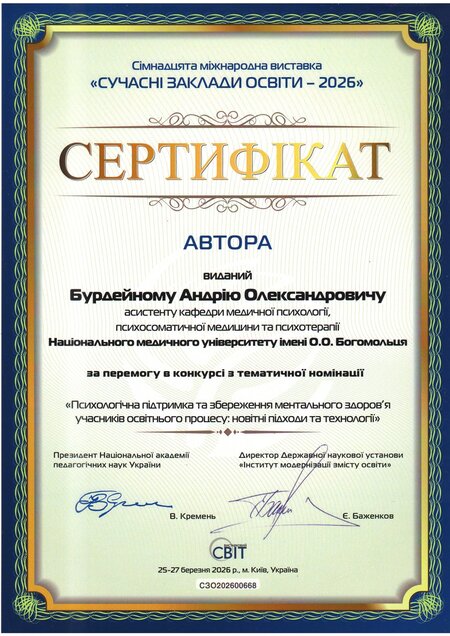
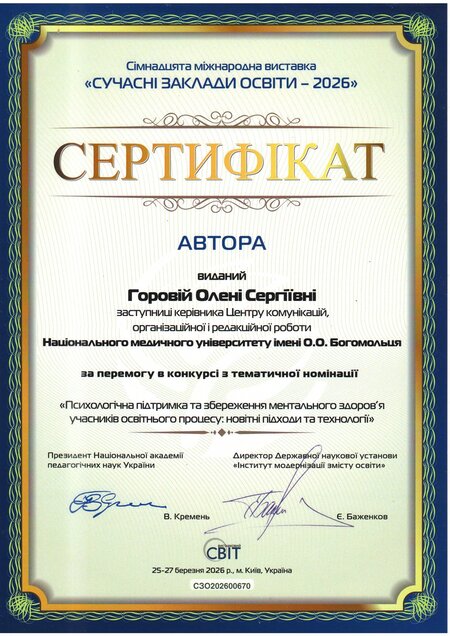
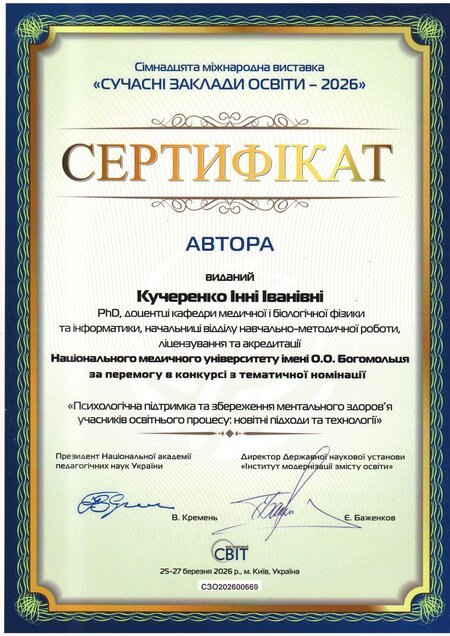
A significant contribution to these achievements was made by leading academic staff of the university. In particular, in the field of mental health, the following were recognized with personal certificates: Professor Oleg Chaban, Director of the Educational and Scientific Institute of Mental Health; Andrii Burdeinyi, Assistant at the Department of Medical Psychology, Psychosomatic Medicine and Psychotherapy; Associate Professor Inna Kucherenko, Head of the Educational and Methodological Department, Licensing and Accreditation; and Olena Horova, Deputy Head of the Communications, Organizational and Editorial Unit.
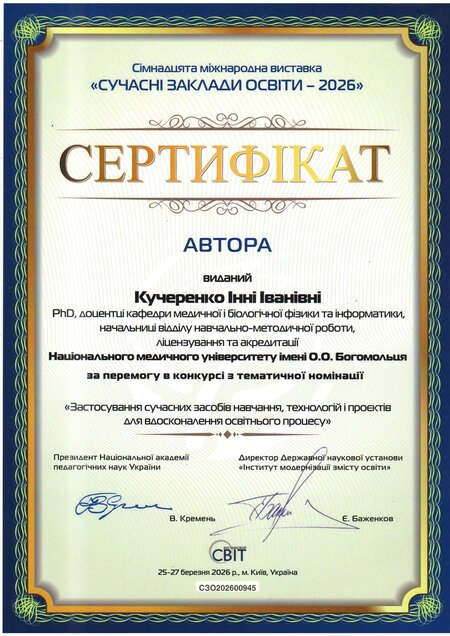
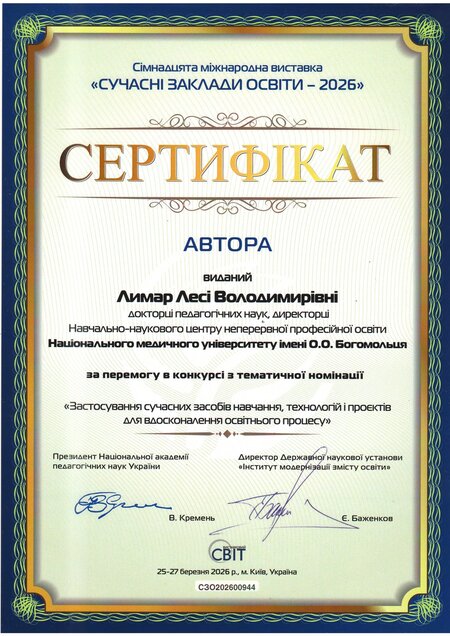
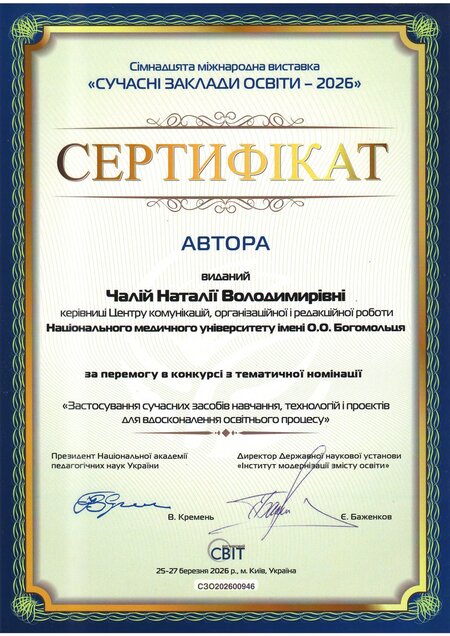
In the nomination dedicated to innovative educational technologies, gold medals and author certificates were awarded to Professor Sergii Zemskov, Director of the Educational and Scientific Institute of Medicine; Professor Lesia Lymar, Director of the Educational and Scientific Center for Continuing Professional Education; Professor Oksana Vygovska, Dean of Pediatrics Faculty; Associate Professor Inna Kucherenko; Professor Ievgeniia Burlaka of the Department of Pediatrics No. 2; and Nataliia Chala, Head of the Communications, Organizational and Editorial Unit.
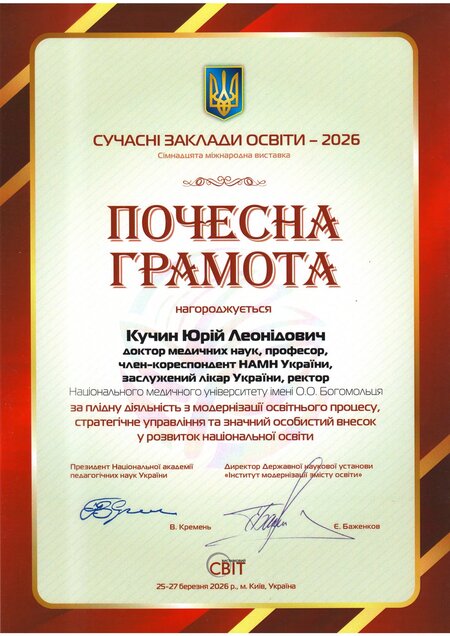
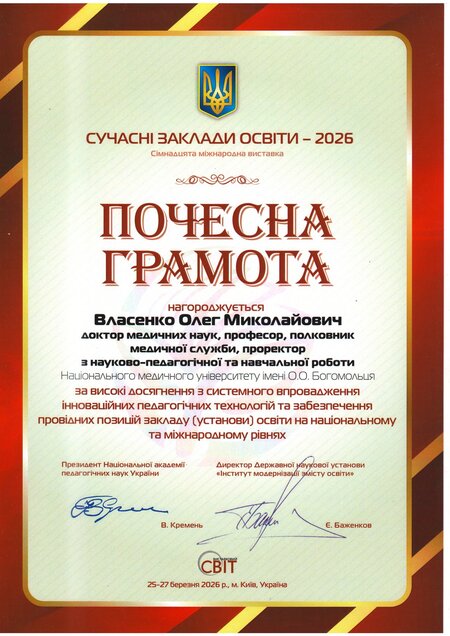
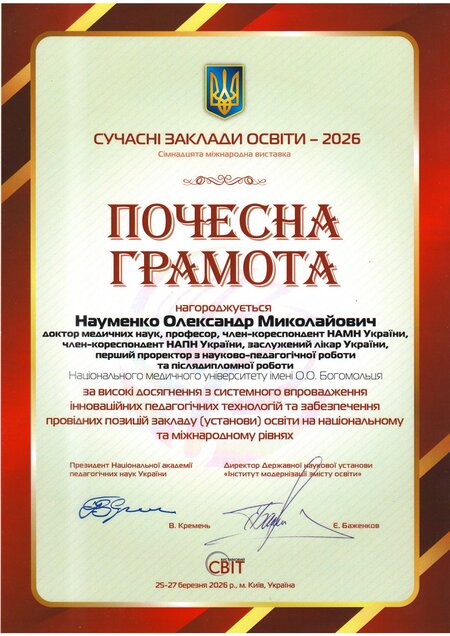
The university leadership was also honored for strategic management and the development of educational innovations. Professor Iurii Kuchyn, Rector of the University, received an honorary diploma for his significant personal contribution to the development of national education and modernization of the educational process. Professor Oleksandr Naumenko, First Vice-Rector for Academic Affairs and Postgraduate Education, and Professor Oleg Vlasenko, Vice-Rector for Academic Affairs, were also awarded honorary diplomas for their outstanding achievements in implementing innovative pedagogical technologies and ensuring the university’s leading position at national and international levels.
In addition, the academic staff of the university received a diploma for the professional presentation of best educational practices and a significant contribution to improving the quality of education in Ukraine. Overall, the university’s participation in the exhibition was accompanied by active academic and communication engagement within a rich thematic program that included 48 conferences, seminars, presentations, and panel discussions involving leading scholars and educators.
The awards received are a recognition of the high quality of education, innovation, and resilience of the university in the face of current challenges. They also confirm the effectiveness of the chosen strategic course towards the digital transformation of medical education, actively supported within the UkraineDigiTrans project.
#UkraineDigiTrans

New №39
UkraineDigiTrans Newsletter: Winter 2026 Events
Within the framework of the Erasmus+ project UkraineDigiTrans “Digital Transformation of Medical Education in Ukraine”, a new issue of the project newsletter has been published, highlighting the key events and achievements of the winter period of 2026.
The reporting period was marked by active collaboration between Ukrainian and European partners, aimed at developing digital competencies of academic staff, implementing innovative educational technologies, and modernizing medical education in Ukraine. A significant role in these processes is played by Bogomolets National Medical University, which acts as one of the key drivers in implementing digital solutions within the project.
During December–February 2026, a series of online sessions and training activities were conducted with the participation of Laurea University of Applied Sciences (Finland) and Aristotle University of Thessaloniki (Greece). In particular, a workshop on micro-credentials was held in January, followed by a session in March focused on the use of artificial intelligence tools for assessment and peer evaluation in the Moodle environment. Representatives of Bogomolets National Medical University actively participated in these activities, not only adopting European best practices but also adapting them to the Ukrainian educational context and disseminating them within the academic community.
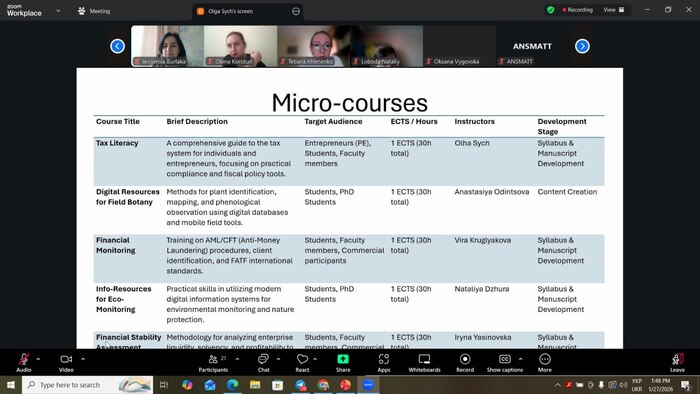
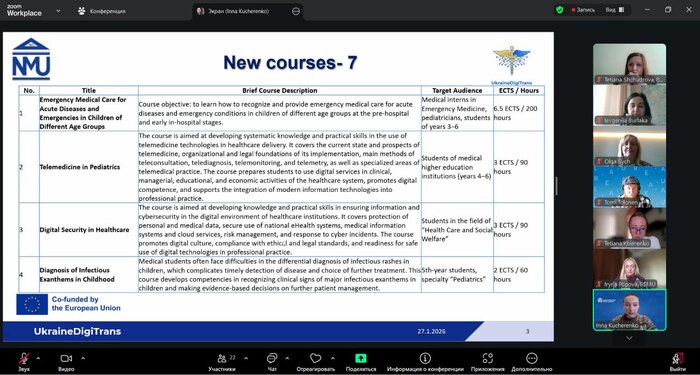
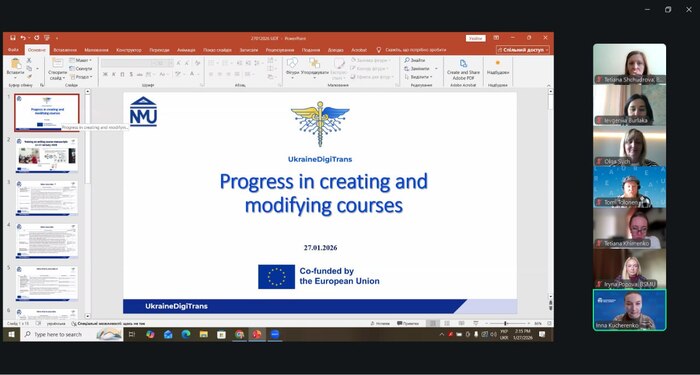
Based on the acquired experience, Ukrainian educators are actively engaged in developing new courses and micro-courses, as well as updating existing educational programs at partner universities. While Bukovinian State Medical University plays a key role in coordinating this process, Bogomolets National Medical University ensures the active implementation of project outcomes into its educational programs and serves as one of the centers for transferring innovative approaches in medical education.
Particular attention in the newsletter is given to the implementation of Work Package 3 (WP3), the new phase of which is coordinated by BSMU. Within this work package, pedagogical manuscripts for newly developed and substantially revised courses are being created, along with a structured methodological framework in both Ukrainian and English, and the implementation of approaches to micro-credentials and lifelong learning. Representatives of Bogomolets National Medical University are actively involved in this work, ensuring the integration of modern pedagogical approaches into the educational process.
An important achievement of the reporting period was the implementation of the intensive training program at Bogomolets National Medical University entitled “Digital Tools for the KROK Instructor: From Theory to Practice”. The university served as a leading platform for this program, which involved 53 faculty members and was aimed at enhancing digital competencies and integrating modern technologies into the educational process.
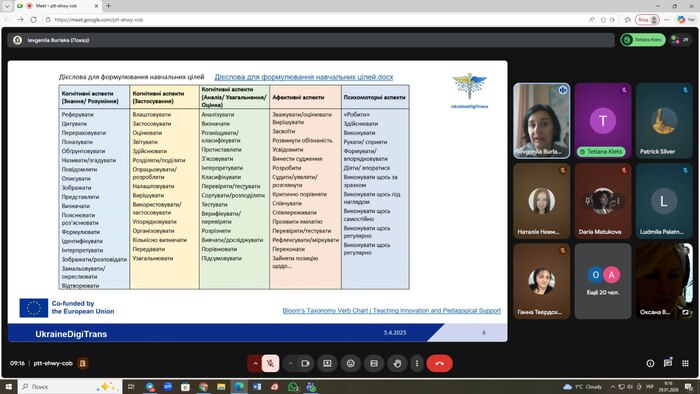
The program covered topics such as instructional design, the application of Bloom’s Taxonomy, development of micro-courses, the use of artificial intelligence in education, creation of multimedia content, and the implementation of digital tools for teaching, communication, and assessment. Special emphasis was placed on combining simulation-based learning with digital technologies, actively implemented at Bogomolets National Medical University, which enhances the effectiveness of student training and provides high-quality real-time feedback.
In addition, participants completed the full cycle of educational product development within the workshop “Creating a Micro-Course Manuscript: From Idea to Launch”, which was initiated and implemented with the active involvement of specialists from Bogomolets National Medical University. This contributed to the practical application of acquired knowledge and the development of ready-to-use educational solutions. The implementation of these outcomes already demonstrates a positive impact on improving digital literacy, research productivity, and the modernization of teaching, particularly in the field of pharmacology.
An important component of the project’s activities remains communication and dissemination. Representatives of Bogomolets National Medical University actively contribute to the creation and promotion of informational materials, including video content for social media, aimed at raising awareness of the digital transformation of medical education.
Thus, the winter period of 2026 demonstrated significant progress in the implementation of the UkraineDigiTrans project. The contribution of Bogomolets National Medical University, as one of the key project partners, is crucial for the successful implementation of innovations, the development of digital competencies among academic staff, and the transformation of medical education in Ukraine in line with modern European standards.
#UkraineDigiTrans


New №38
IMPLEMENTATION OF THE ERASMUS+ UKRAINEDIGITRANS PROJECT RESULTS: PARTICIPATION IN THE CONFERENCE “PLANTA+. SCIENCE, PRACTICE AND EDUCATION”
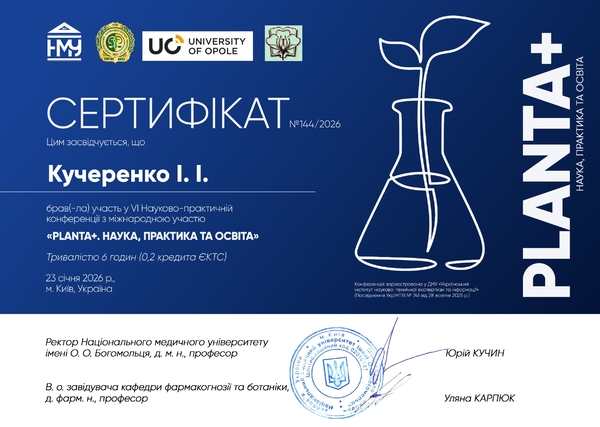
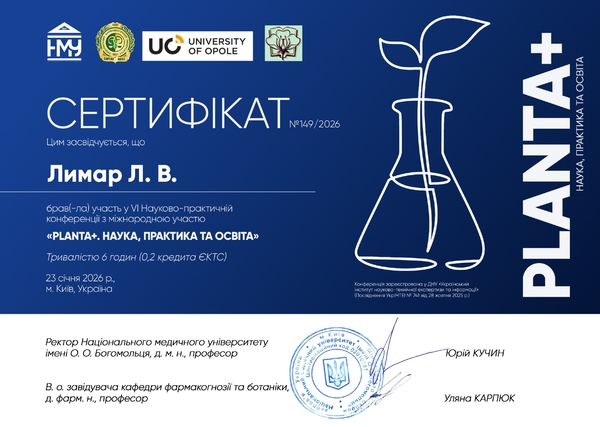
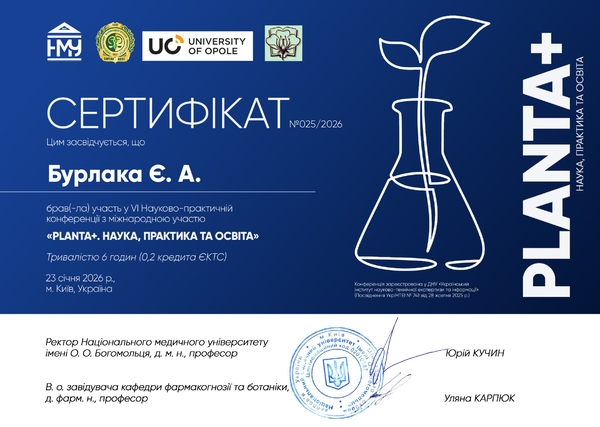
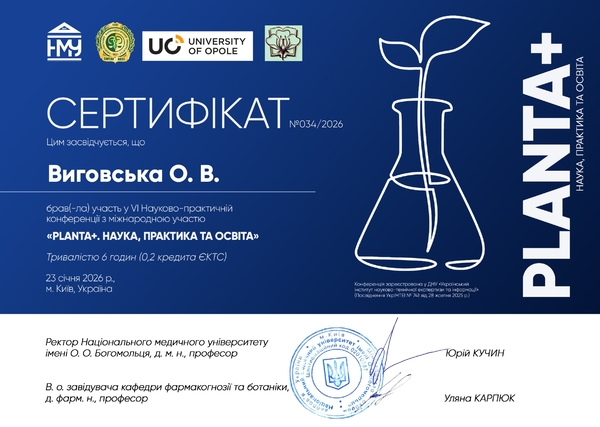
On January 23, 2026, representatives of Bogomolets National Medical University participated in the VI Scientific and Practical Conference with international participation “PLANTA+. Science, Practice and Education” (Kyiv, Ukraine).
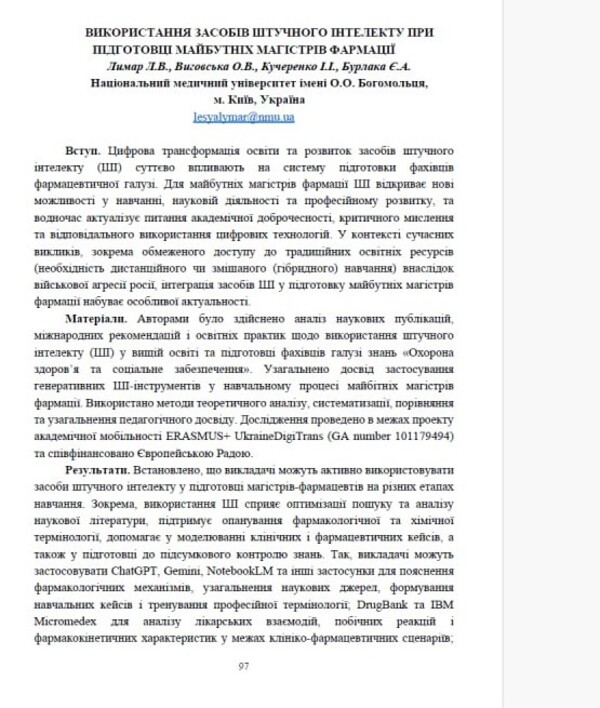
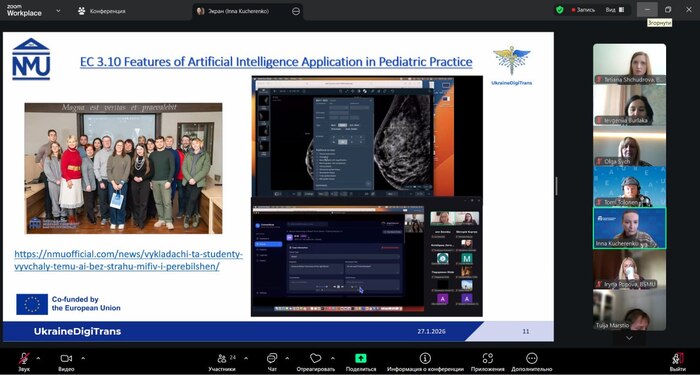
Within the framework of the conference, the presentation “The Use of Artificial Intelligence Tools in the Training of Future Masters of Pharmacy” was delivered by L.V. Lymar, O.V. Vyhovska, Ye.A. Burlaka, and I.I. Kucherenko.
Сonference abstracts were also published. The presented abstracts systematize the possibilities of applying artificial intelligence tools in the educational process, particularly for:
- searching and analyzing scientific literature and educational sources;
- developing and refining professional pharmaceutical terminology;
- modeling clinical and pharmaceutical situations and working with case studies;
- preparing for final knowledge assessment;
- using digital tools (including ChatGPT, Gemini, NotebookLM) and professional information databases (DrugBank, IBM Micromedex) in educational scenarios.
The presented abstracts represent a practical scientific and methodological outcome of the work carried out within the Erasmus+ project UkraineDigiTrans (GA 101179494).
Within the framework of the project implementation, experience was summarized and approaches to integrating artificial intelligence tools into the training of future Masters of Pharmacy were developed. Particular attention was paid to the digital transformation of the educational process, the introduction of modern pedagogical practices, and the principles of responsible use of artificial intelligence technologies in education.
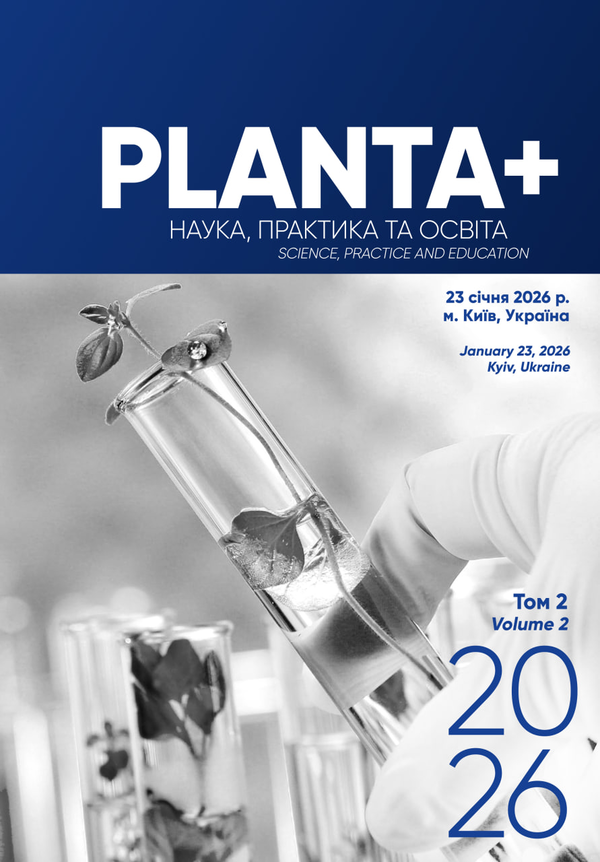
The publication is included in the conference proceedings:
PLANTA+. Science, Practice and Education: Proceedings of the VI Scientific and Practical Conference with International Participation (Kyiv: Palyvoda A.V., 2026. Vol. 2, 295 p., p. 97).
Presenting results at scientific events is an important component of the dissemination and implementation of the results of the UkraineDigiTrans project, aimed at supporting the digital transformation of higher education and developing innovative approaches to the training of specialists in the pharmaceutical sector.
#UkraineDigiTrans
New №37
A TRAINING “DIGITAL TOOLS FOR KROK EDUCATORS: FROM THEORY TO PRACTICE” HELD AT BOHOMOLETS NATIONAL MEDICAL UNIVERSITY
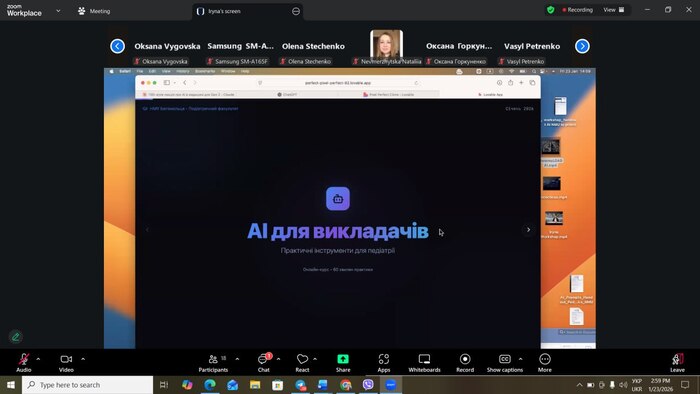
From January 21 to February 6, 2026, an online training program for academic staff entitled «Digital Tools for KROK Educators: From Theory to Practice» was conducted at Bohomolets National Medical University within the framework of the international Erasmus+ KA2 grant project UkraineDigiTrans «Digital Transformation of Medical Education in Ukraine».
The training was organized with the aim of developing educators’ digital, pedagogical, and methodological competencies, improving approaches to the creation of modern educational content, and enhancing the quality of instructional materials for students preparing for the KROK-1 and KROK-2 licensing examinations.
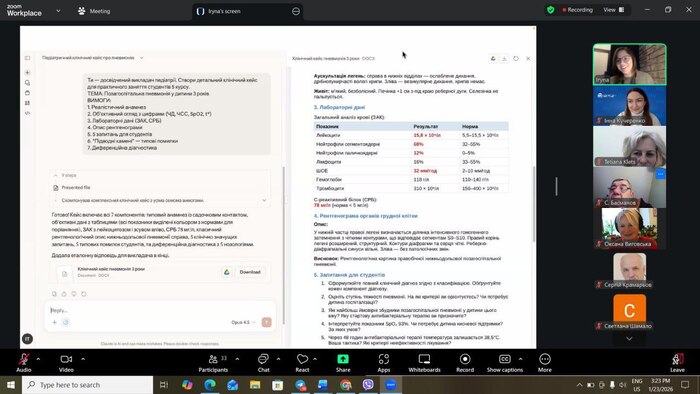
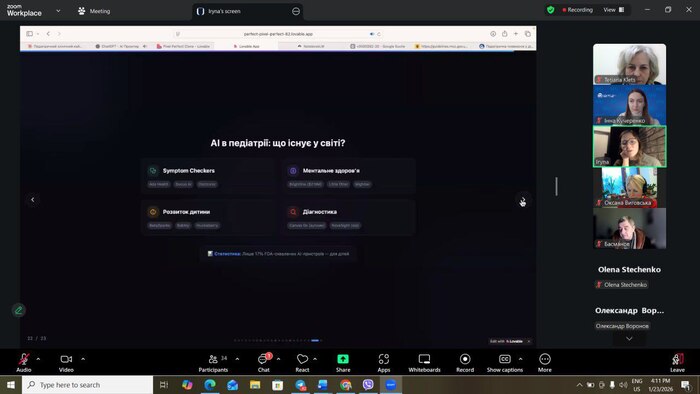
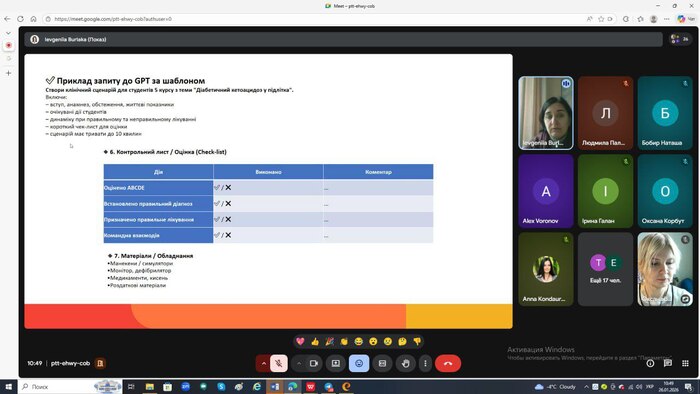
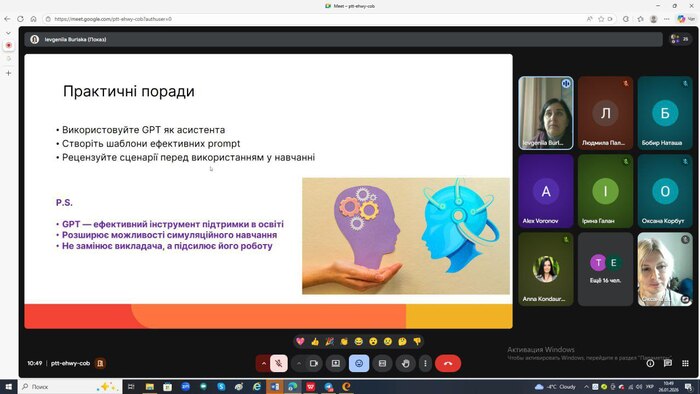
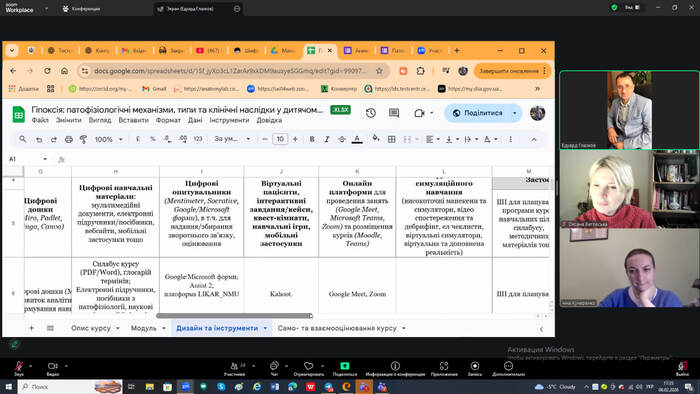
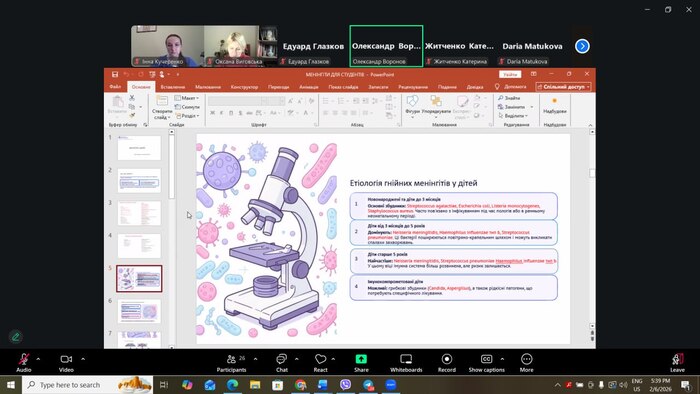
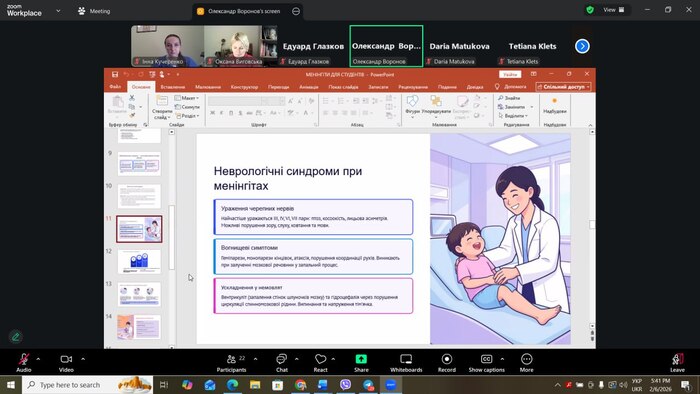
The training program combined theoretical modules with practical activities and covered a wide range of relevant topics, including the application of Bloom’s taxonomy in the organization of the educational process, the use of ABC maps for microcourse development, the integration of digital tools and Google services into teaching and learning, opportunities for the use of artificial intelligence in medical education, simulation-based learning, the creation of audio and video educational products, pedagogical podcasts, and test items in the KROK format, as well as the use of artificial intelligence in the educational environment.
A separate block of the training was devoted to practical work, during which participants developed their own microcourses and educational materials—from concept to implementation. Considerable attention was paid to individual independent work by educators, resulting in the creation of original educational content and its presentation at the final stage of the training. The program concluded with the presentation of the developed educational materials, a summary of the training outcomes, and the awarding of certificates to participants.
The speakers of the event included university faculty members Oksana Vyhovska, Yevheniia Burlaka, Inna Kucherenko, and Anna Blahaia, as well as the invited speaker Iryna Tsurkan, an expert in the implementation of artificial intelligence in medical education and management processes.
The organization of such training programs contributes to improving the quality of medical education, supporting the professional development of educators, promoting innovative teaching approaches, and enhancing the training of future medical professionals.
#UkraineDigiTrans






New №36
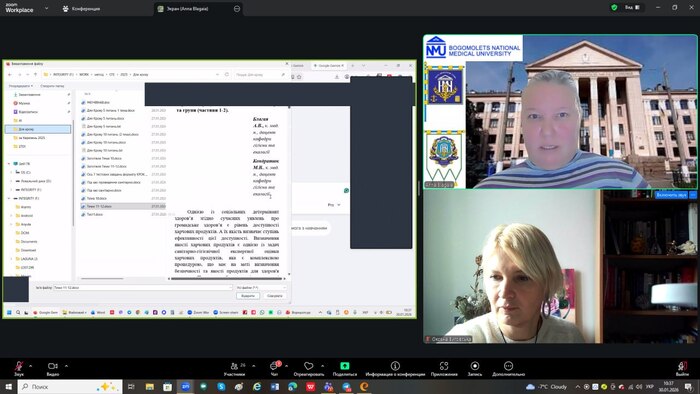
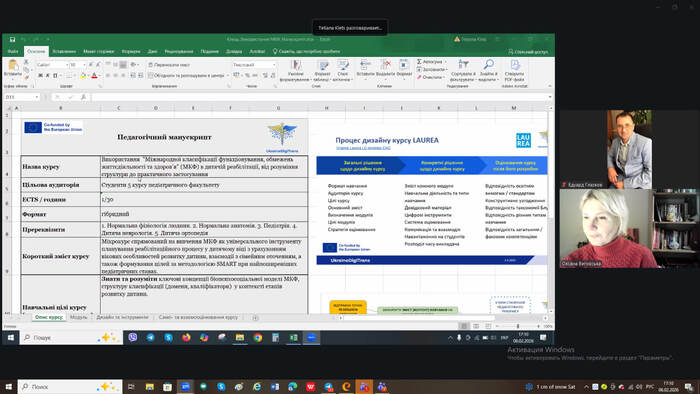
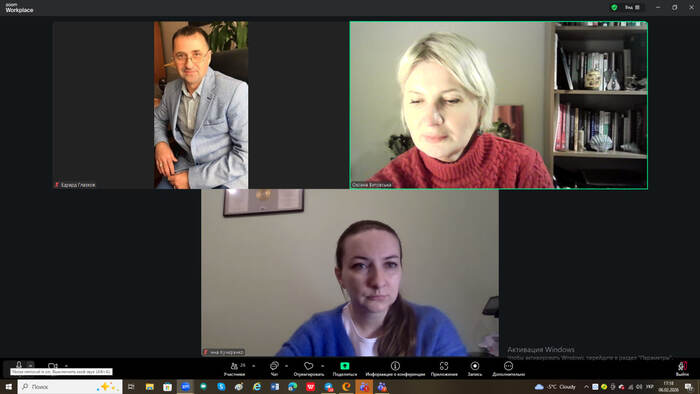
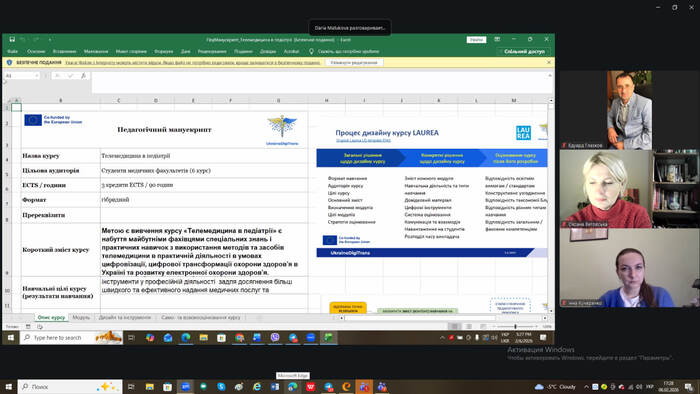
ONLINE MEETING OF UKRAINEDIGITRANS PROJECT PARTICIPANTS: PROGRESS IN MICROCOURSE DEVELOPMENT DISCUSSED AND TRAINING DELIVERED BY LAUREA UNIVERSITY
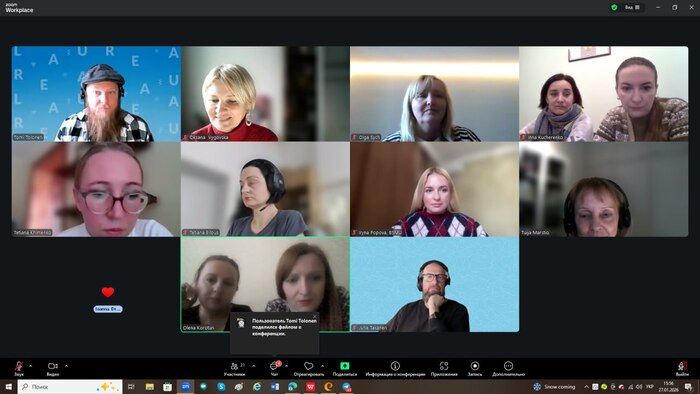
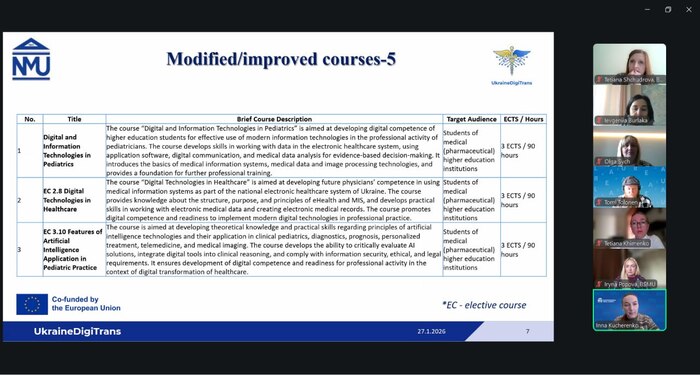
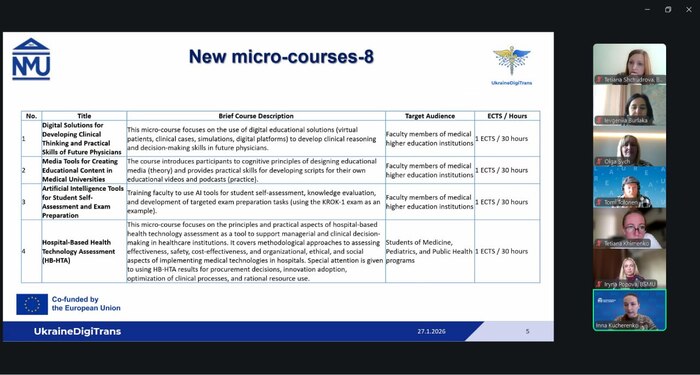
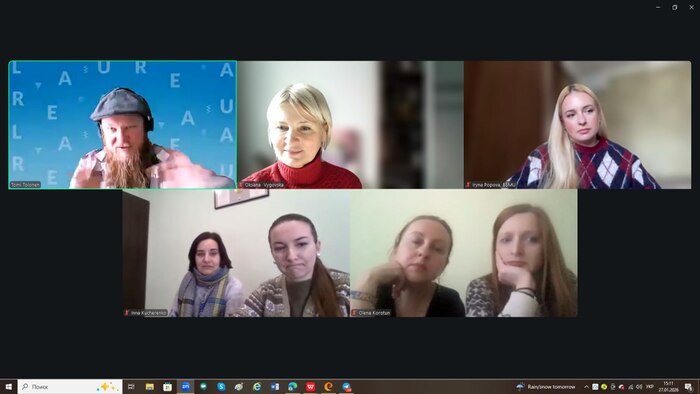
An online meeting of the participants of the international UkraineDigiTrans project was held, focusing on the interim results of microcourse development and the discussion of further steps for their implementation. Representatives of partner higher education institutions took part in the event, actively engaged in creating modern digital educational products.
The team of Bogomolets National Medical University included: Oksana Vygovska, MD, Dean of the Medical Faculty №3, Professor of the Department of Pediatric Infectious Diseases; Ievgeniia Burlaka, MD, Professor of the Department of Pediatrics №4; Inna Kucherenko, PhD in Physics and Mathematics, Associate Professor, Head of the Department of Educational and Methodological Work, Licensing and Accreditation, Associate Professor of the Department of Medical and Biological Physics and Informatics, Associate Professor of the Department of Medical and Biological Physics and Informatics; Lesia Lymar, Doctor of Pedagogics, Associate Professor, Director of Academic Continuous Education Center; and Anna Blahaya, PhD in Medicine, Associate Professor of the Department of Hygiene and Ecology.
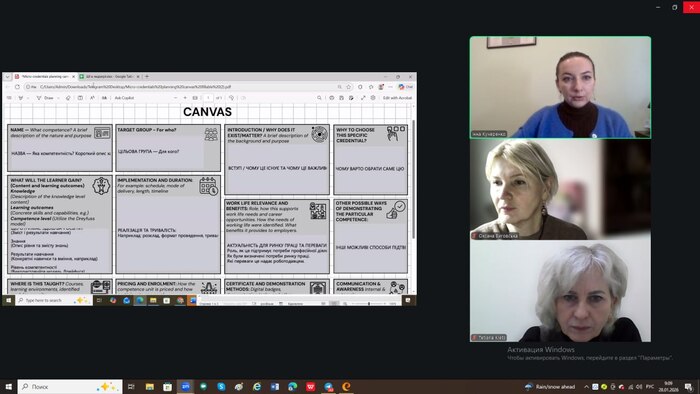
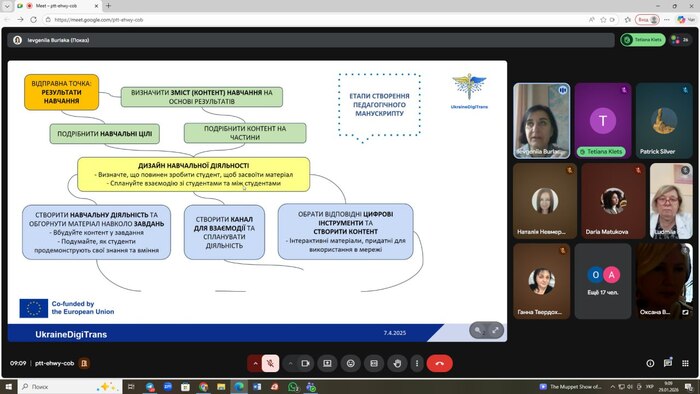
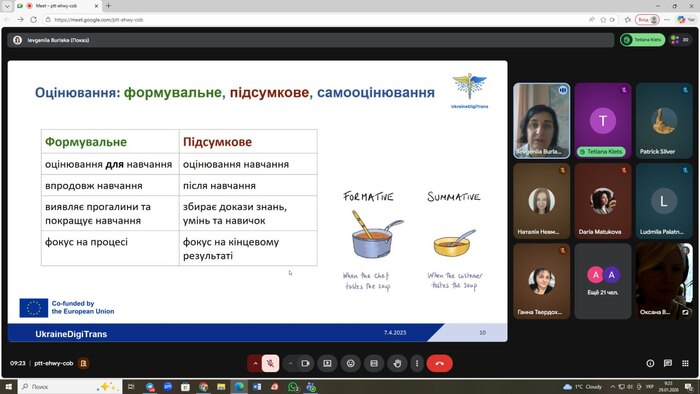
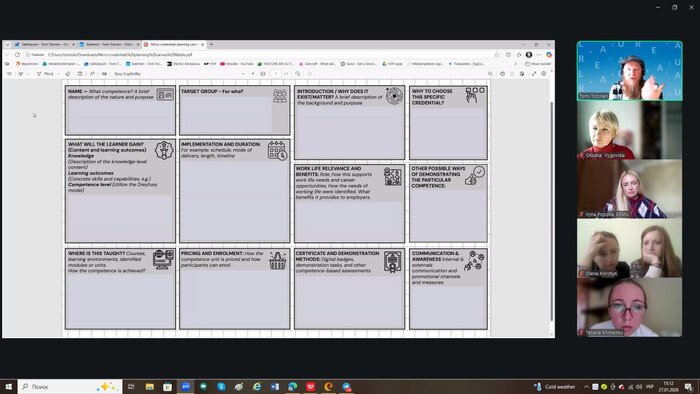
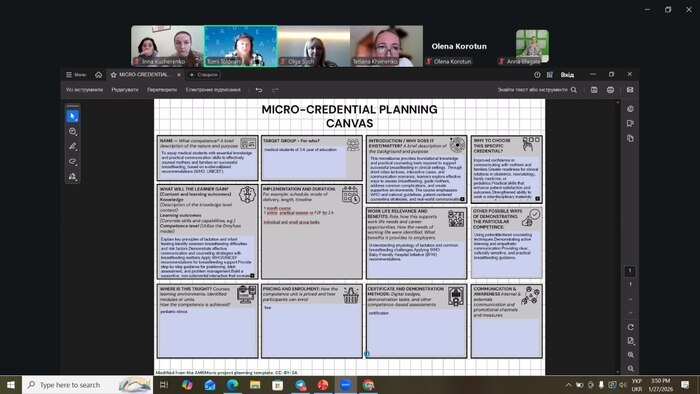
The main focus of the meeting was the discussion of progress in developing microcourse manuscripts. Participants presented their work, shared experiences in structuring educational content, defining learning outcomes, and organizing course logic. It was noted that all manuscripts are being developed using the CANVA tool, which enables an effective combination of instructional design, visual attractiveness, and ease of further digital implementation. The use of CANVA also contributes to a unified approach to course design and ensures adaptability of materials for online learning.
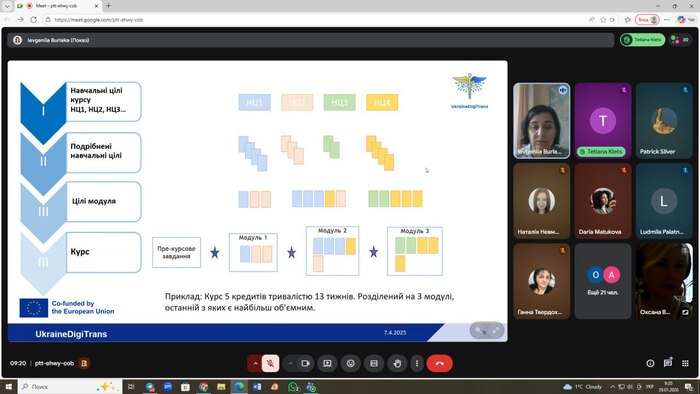
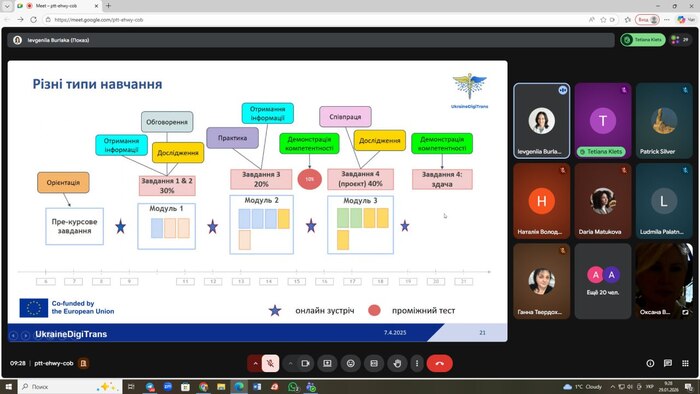
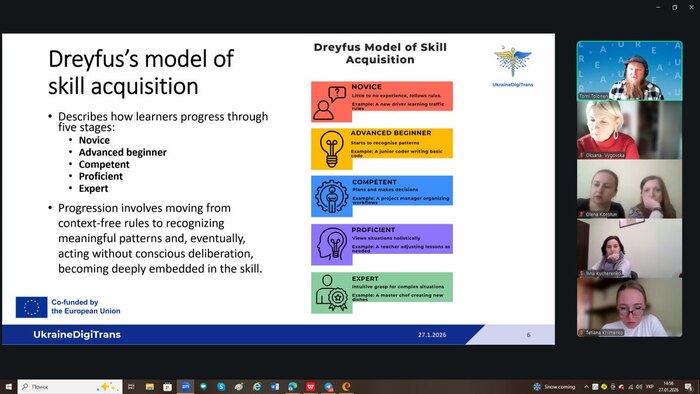
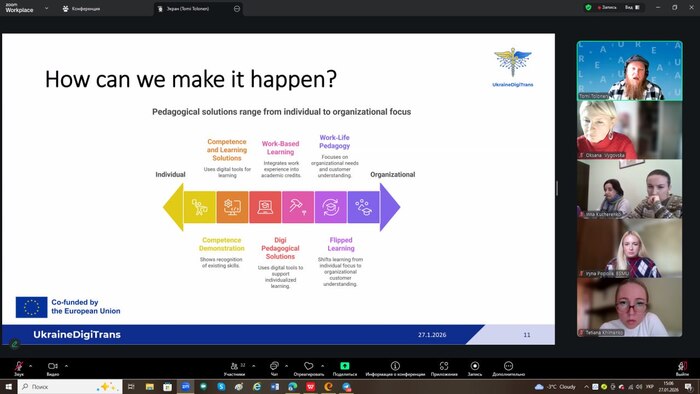
A key part of the meeting was a training session delivered by representatives of LAUREA University (Finland). During the training, participants were introduced in detail to the main stages of developing a microcourse manuscript — from identifying the target audience and defining learning outcomes to structuring modules, designing learning activities, and selecting assessment methods. Particular attention was paid to practical aspects of aligning microcourse content with current requirements of digital education.
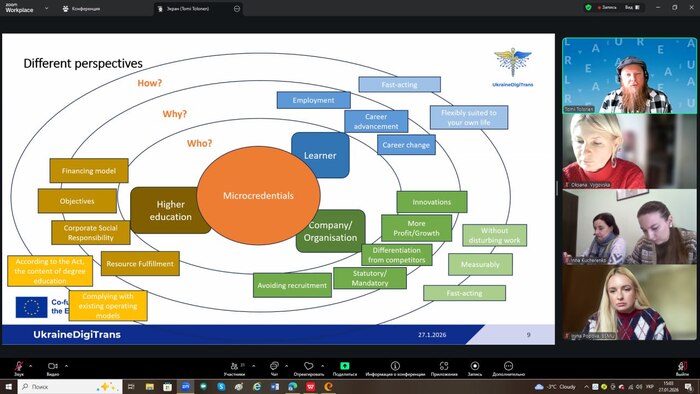
In addition, LAUREA representatives presented the concept of micro-credentials, highlighting their role in lifelong learning, opportunities for accumulation and recognition of learning outcomes, and alignment with European educational approaches. Participants discussed the potential of micro-credentials as a tool for increasing flexibility of learning pathways and expanding access to education for diverse learner groups.
Summarizing the meeting, participants emphasized the high practical value of the training and the importance of a unified methodological approach to microcourse development within the UkraineDigiTrans project. The knowledge and recommendations gained will serve as a foundation for further improvement of the manuscripts and for the creation of high-quality, innovative digital courses tailored to the needs of modern learners.
#UkraineDigiTrans





New №34
DIGITAL TRANSFORMATION OF MEDICAL EDUCATION IN UKRAINE: INSIGHTS FROM THE UKRAINEDIGITRANS PROJECT
The UkraineDigiTrans initiative represents a transformative journey for medical education in Ukraine, positioned at the intersection of digital innovation, pedagogical renewal, and professional growth. As a strategic response to the accelerated digitization of healthcare and the ongoing challenges posed by the war, this Erasmus+-funded project is helping Ukrainian medical educators embrace modern digital tools and reimagine how medical knowledge is taught, learned, and applied across institutions.
At its core, UkraineDigiTrans seeks to enhance the digital competencies of medical teachers, enabling them to integrate technologies such as artificial intelligence, hybrid learning methodologies, and simulation pedagogy into everyday education. This transformation acknowledges that the future of medical training lies not only in traditional lecture formats but also in interactive, student-centered learning that leverages digital platforms to mirror real clinical challenges. Teachers participating in the project have been part of comprehensive “train-the-trainer” programs, where they learn to design online and hybrid learning modules, apply flipped-classroom strategies, and use digital tools to build engagement and resilience among students.
Perhaps the “wow moment” of this transformation is the observable shift among educators themselves. As highlighted in project showcases and video testimonials, many Ukrainian medical teachers—historically grounded in traditional pedagogical approaches—have embraced digital instruments not as add-ons but as integral components of their teaching identity. This shift reflects a broader cultural change: educators are increasingly confident using interactive platforms, creating micro-courses, and exploring remote simulation environments that prepare students for both local and global healthcare contexts. The emphasis on continuous professional growth—summed up in the project’s call to “Don’t stop learning. Continue growing professionally”—captures the ethos driving this transformation.
Beyond skill development, UkraineDigiTrans also fosters an environment of international collaboration and shared learning. Ukrainian educators have engaged with European partners from Finland and Greece, exchanging best practices and co-developing course materials that enrich the educational ecosystem back home. These exchanges have broadened perspectives on digital pedagogy, ethical use of technologies in healthcare training, and the role of mental well-being for both faculty and students in digitally-mediated learning.
In conclusion, the UkraineDigiTrans project exemplifies how digital transformation can elevate medical education in times of disruption and beyond. By empowering educators with new competencies, fostering student-centered digital learning designs, and building resilient educational structures, the project contributes to a more adaptive and future-ready medical workforce in Ukraine. Its approach underscores a critical lesson for higher-education reform: technology, paired with thoughtful pedagogy, can strengthen both the quality and sustainability of professional education in the 21st century.
- Medical education in Ukraine going through a digital transformation | UkraineDigiTrans: https://www.youtube.com/watch?v=uBzN5H0_YRs
- The wow moment – Ukrainian medical educators embracing digital tools in learning | UkraineDigiTrans: https://www.youtube.com/watch?v=_aXx_hPrESs
- “Don’t stop learning. Continue growing professionally.” | UkraineDigiTrans: https://www.youtube.com/watch?v=CO7JWU9tABg
#UkraineDigiTrans
New №33
New №32
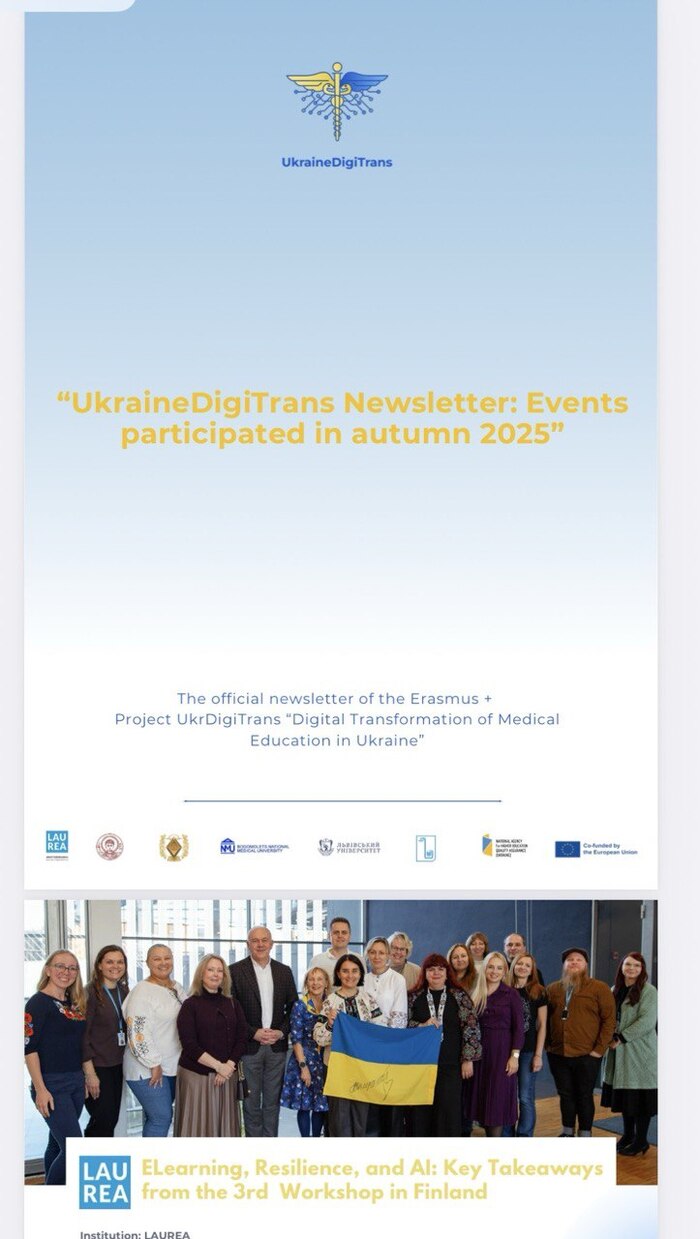
AUTUMN DIGEST OF UKRAINEDIGITRANS: INTERNATIONAL EXPERIENCE AND DIGITAL SOLUTIONS FOR MEDICAL EDUCATION
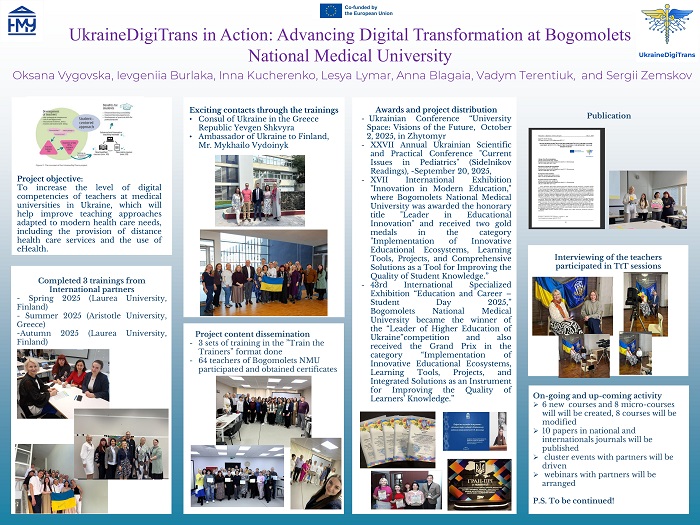
Throughout the autumn of 2025, Ukrainian and European higher education institutions actively continued the implementation of the Erasmus+ international project UkraineDigiTrans: Digital Transformation of Medical Education in Ukraine, aimed at modernizing medical education, advancing digital pedagogy, integrating artificial intelligence, and supporting the professional wellbeing of academic staff.
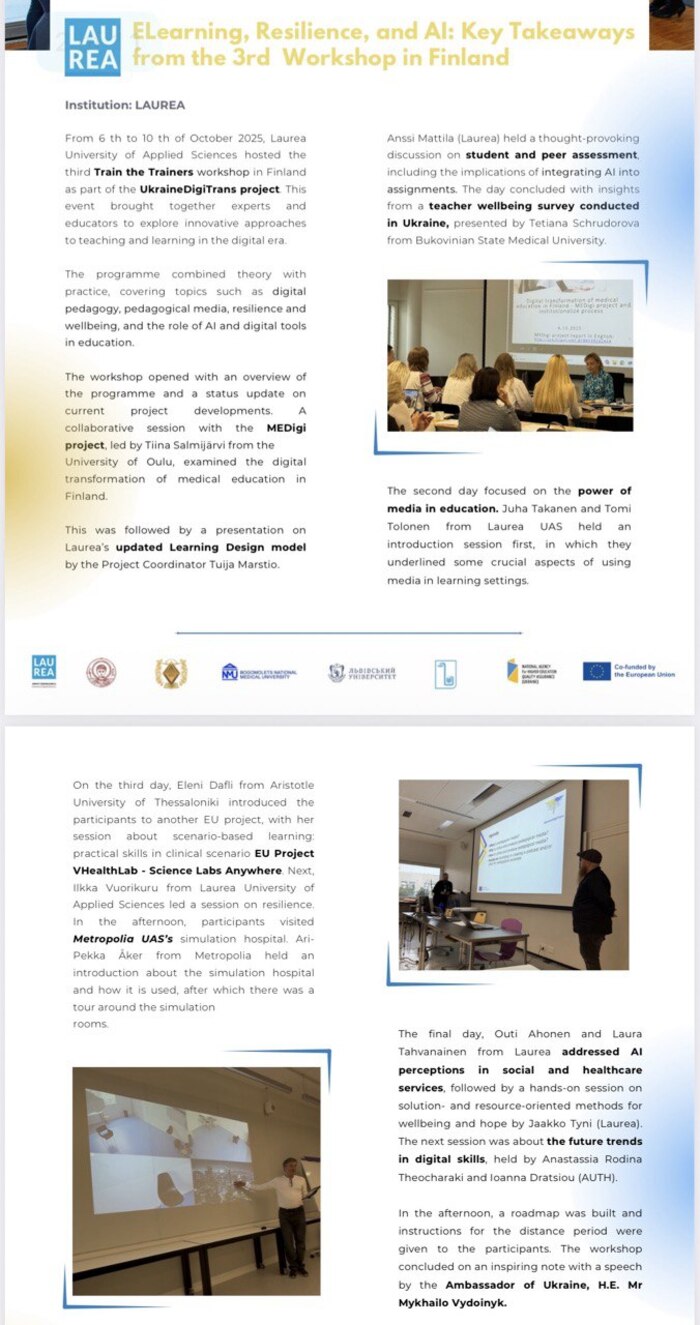
A key event of this period was the third international Train the Trainers workshop, held on 6–10 October 2025 at Laurea University of Applied Sciences in Finland. The event brought together educators, researchers, and experts from Ukraine, Finland, and Greece to discuss contemporary approaches to teaching and learning in the context of digital transformation. The workshop programme effectively combined theoretical foundations with practical case studies and addressed issues of digital pedagogy, learning design, pedagogical media, psychological resilience and wellbeing of educators, as well as the role of artificial intelligence and digital tools in medical education.
Special attention was given to the use of AI in clinical scenarios, ethical and regulatory aspects of its application, and best practices for integrating digital technologies into the educational process. Participants had the opportunity to explore the Finnish experience in the digital transformation of medical education, modern learning design models, and inter-project collaboration within European initiatives. An important practical component was a visit to the simulation hospital at Metropolia University of Applied Sciences, where the potential of simulation-based learning for training future healthcare professionals was demonstrated. The workshop concluded with an inspiring speech by the Ambassador Extraordinary and Plenipotentiary of Ukraine to Finland, H.E. Mr Mykhailo Vydoinyk.
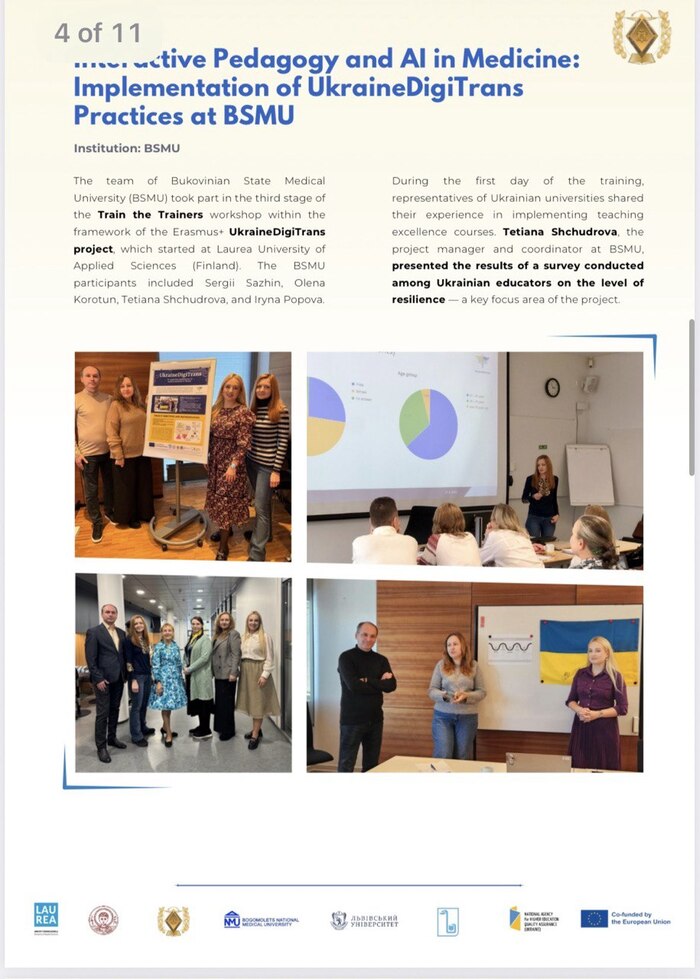
The outcomes of the international training are being actively implemented at Ukrainian universities participating in the project. In particular, following participation in the Finnish Train the Trainers programme, the team of Bukovinian State Medical University launched the third cycle of faculty training at the national level. Within a series of training sessions, lecturers from clinical and theoretical departments explored pedagogical media, scenario-based learning, the use of artificial intelligence in medical pedagogy, and new digital tools. A tangible result of this work was the creation of original videos and podcasts for educational courses, contributing to increased interactivity and motivation to develop modern educational content.
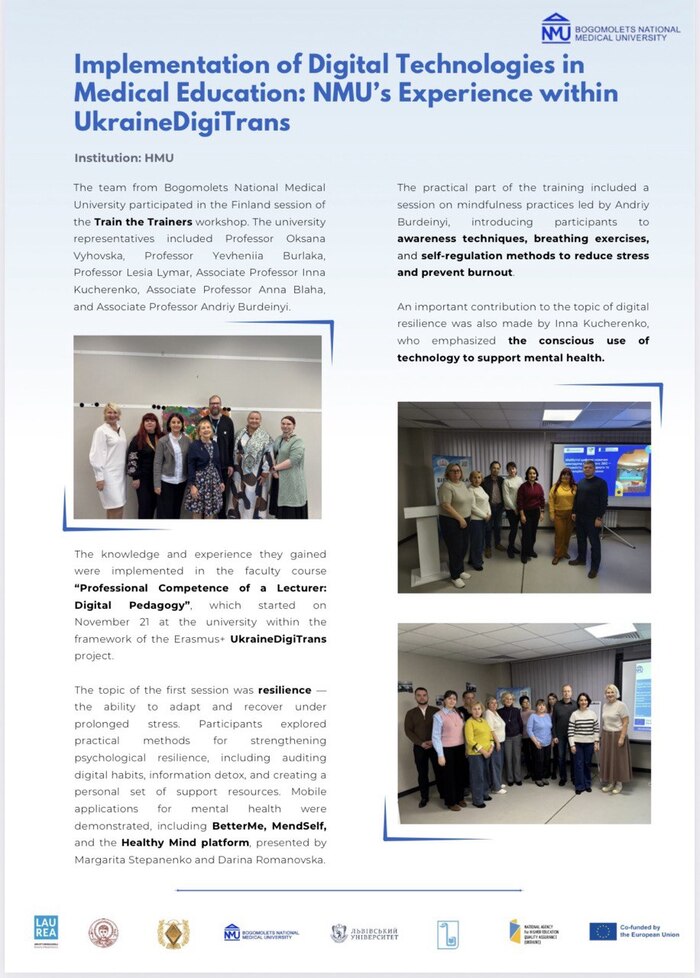
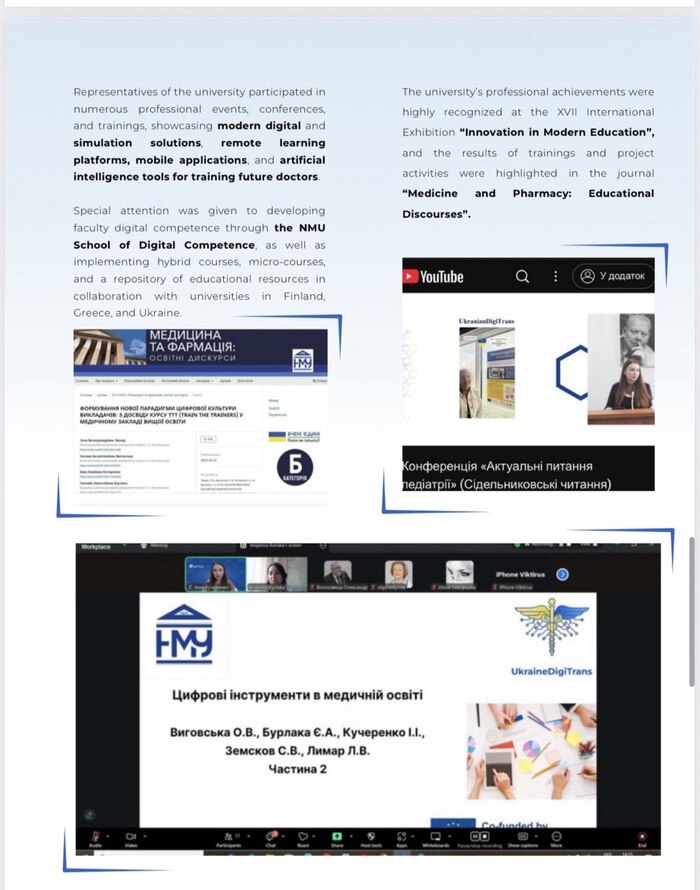
Representatives of Bogomolets National Medical University also played an active role in the project. The knowledge and experience gained were integrated into the course “Professional Competence of a Lecturer: Digital Pedagogy”, which was launched within the framework of UkraineDigiTrans. The course places strong emphasis on developing educators’ psychological resilience, the conscious use of digital technologies, prevention of professional burnout, and the application of modern mobile tools to support mental health. The university’s project-related achievements were also presented at international conferences, professional events, and educational exhibitions.
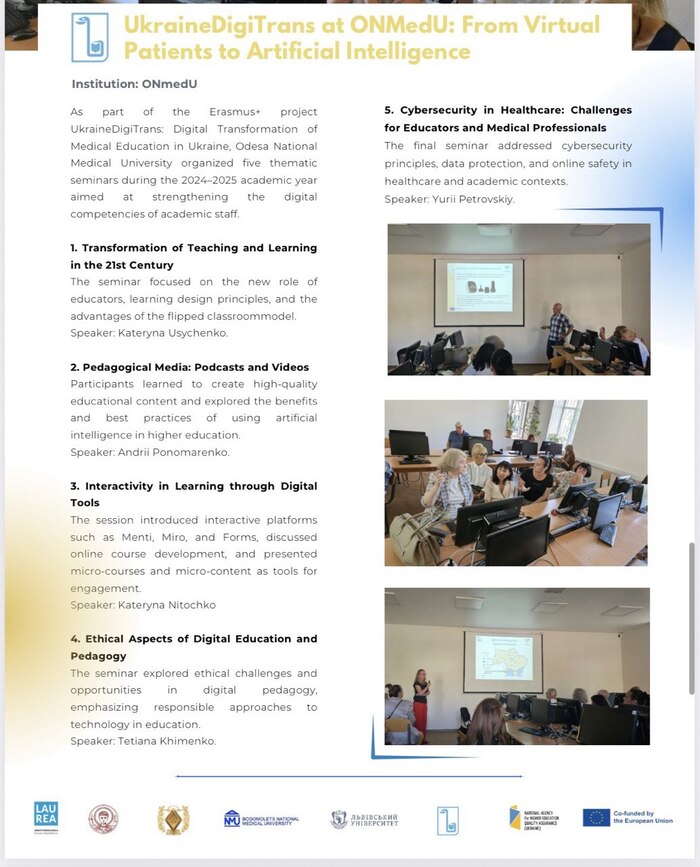
At Odesa National Medical University, a series of thematic seminars was organized within UkraineDigiTrans during the 2024–2025 academic year to enhance faculty digital competencies. The seminar topics covered the transformation of teaching and learning in the 21st century, the creation of pedagogical media, the use of interactive digital tools, ethical aspects of digital education, and cybersecurity in healthcare. A separate cycle was dedicated to artificial intelligence, ranging from general principles and ethics of use to legal regulation, international and national guidelines, and hands-on work with AI tools.
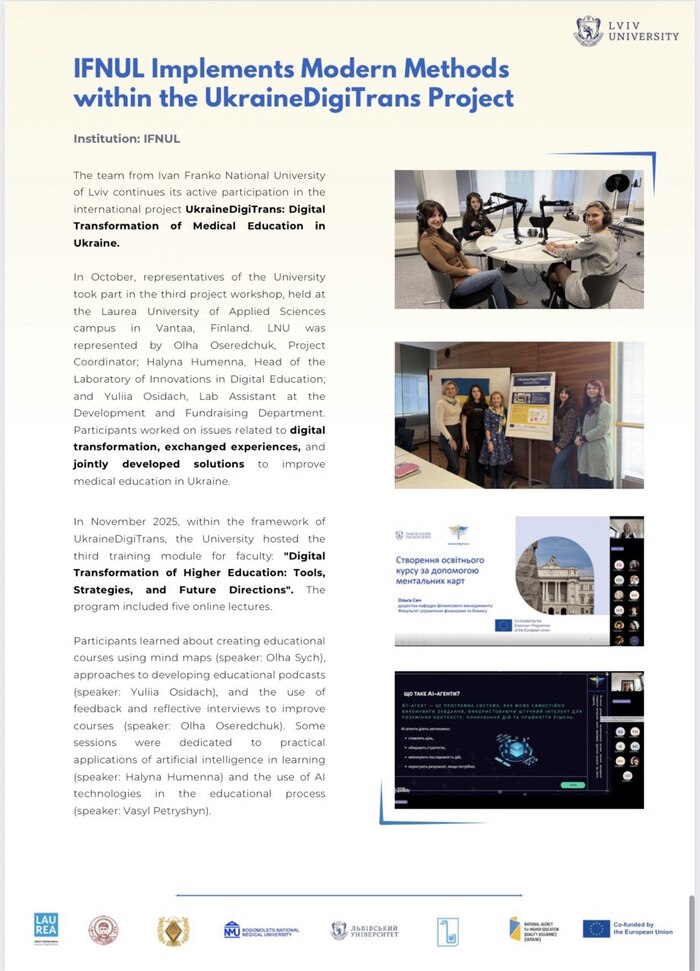
Ivan Franko National University of Lviv also actively contributed to the project’s implementation. University representatives participated in the international workshop in Finland and subsequently organized their own training module focused on the digital transformation of higher education. The programme included online lectures on course design, podcast creation, the use of feedback and reflective interviews, as well as practical aspects of applying artificial intelligence in the educational process. Another important milestone was the presentation of UkraineDigiTrans during the Erasmus+ Information Day, which highlighted the importance of international partnership and high-quality project preparation.
Overall, the UkraineDigiTrans project convincingly demonstrates that the combination of international cooperation, digital innovation, and attention to educators’ wellbeing is a key factor in the sustainable development of medical education in Ukraine. The integration of project outcomes into the educational programmes of Ukrainian universities creates a solid foundation for training competitive professionals and for building a modern educational environment capable of effectively responding to contemporary challenges.
#UkraineDigiTrans
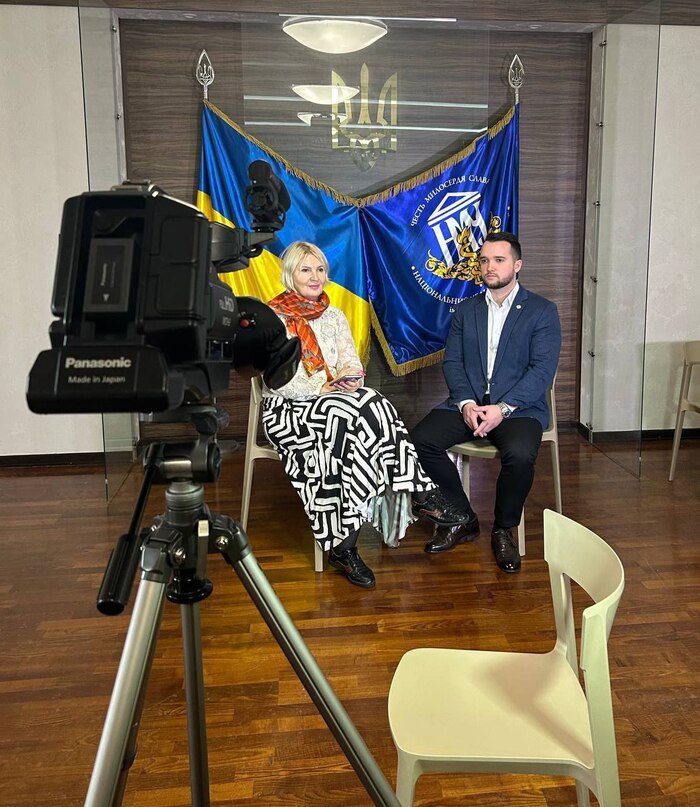
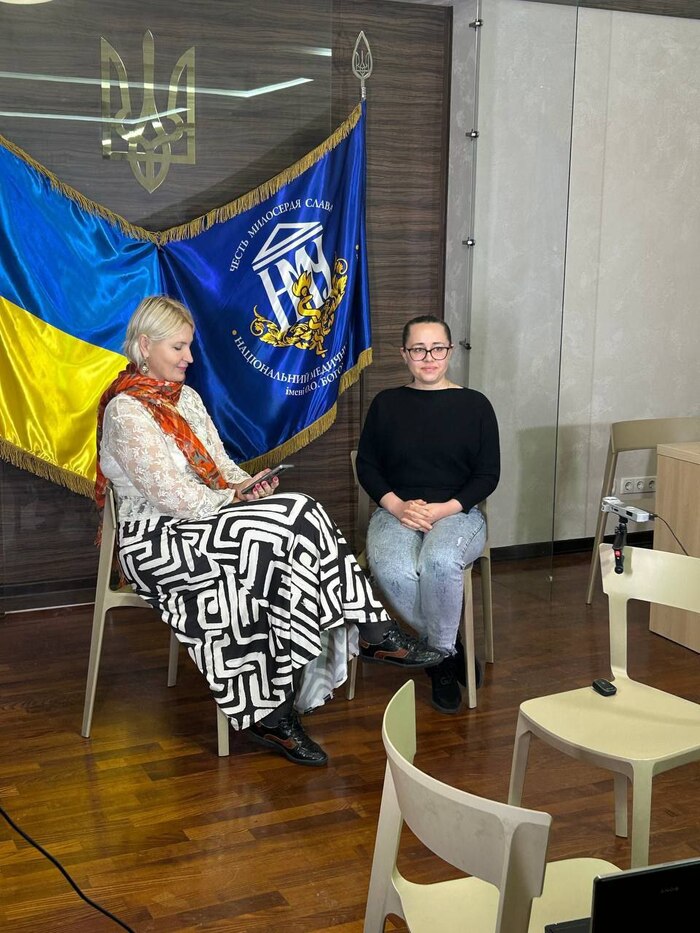
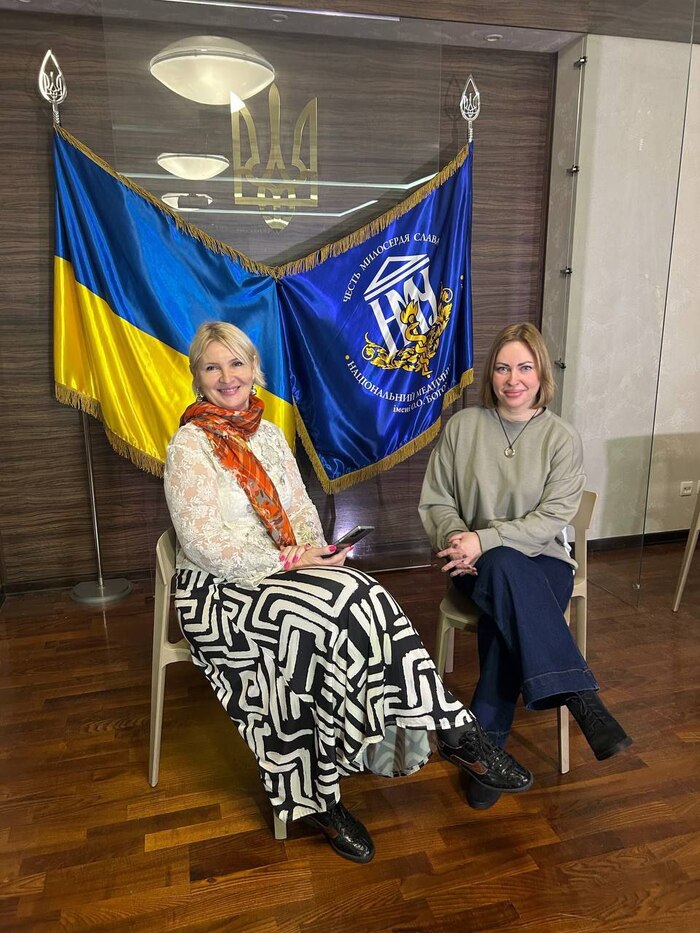
Digital transformation of education: NMU summed up the results of the UkrDigiTrans project training series
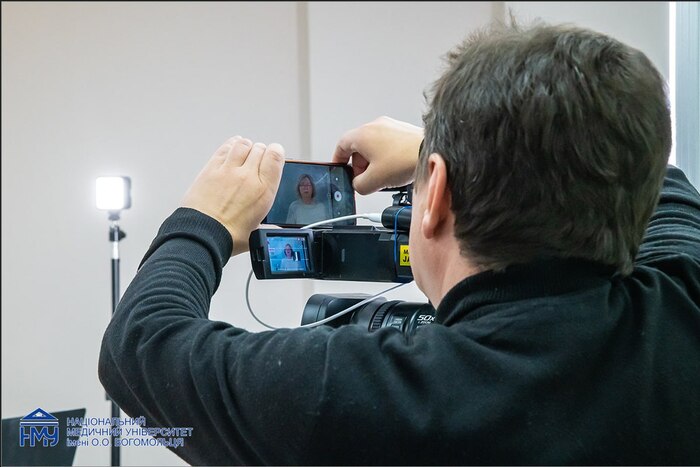
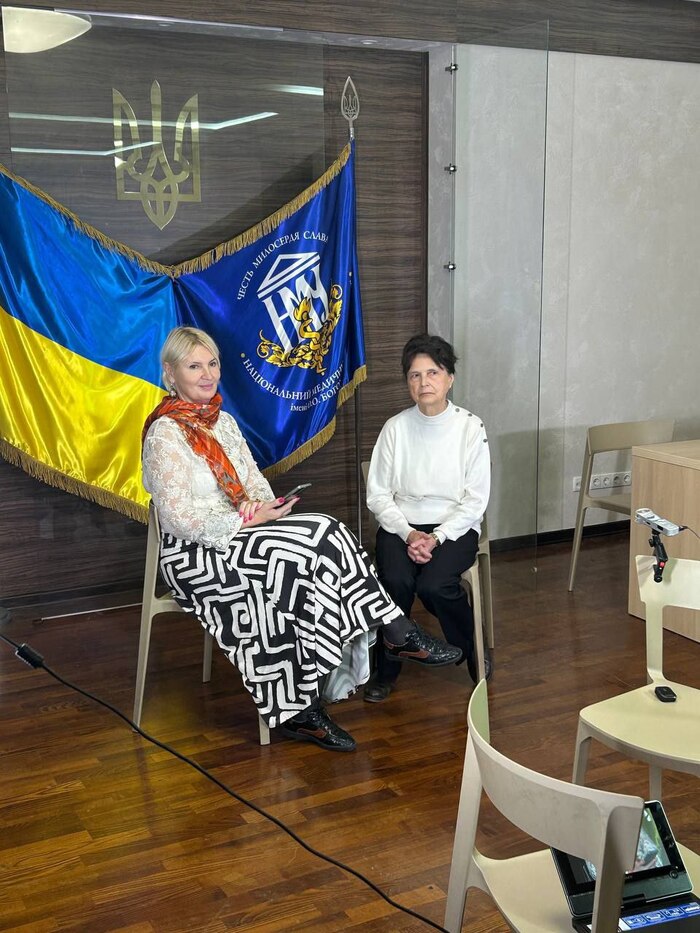
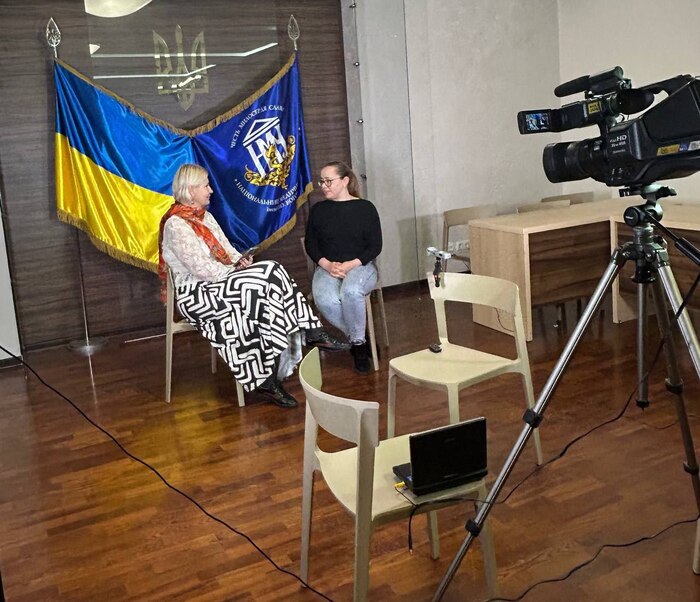
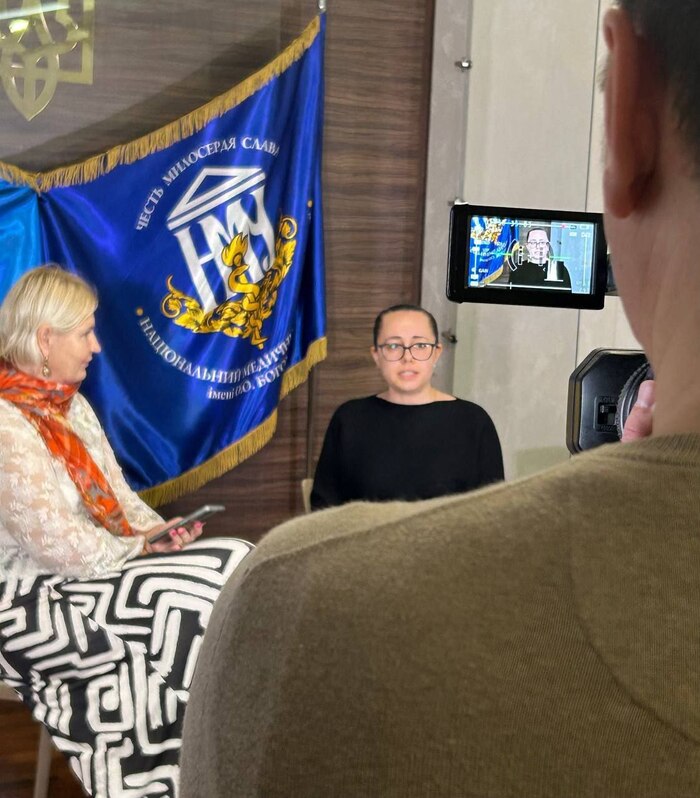
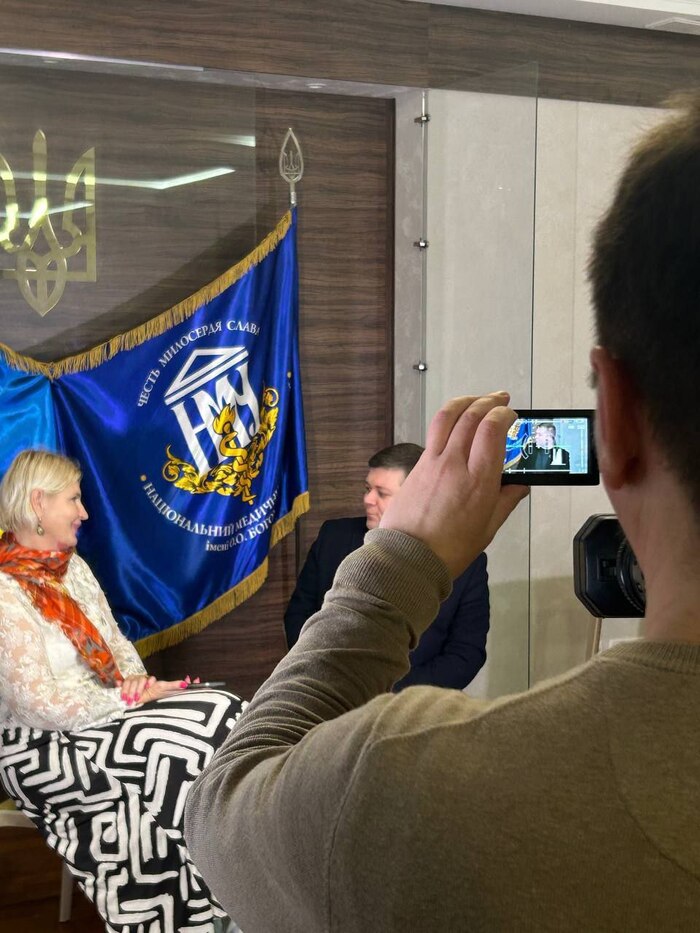
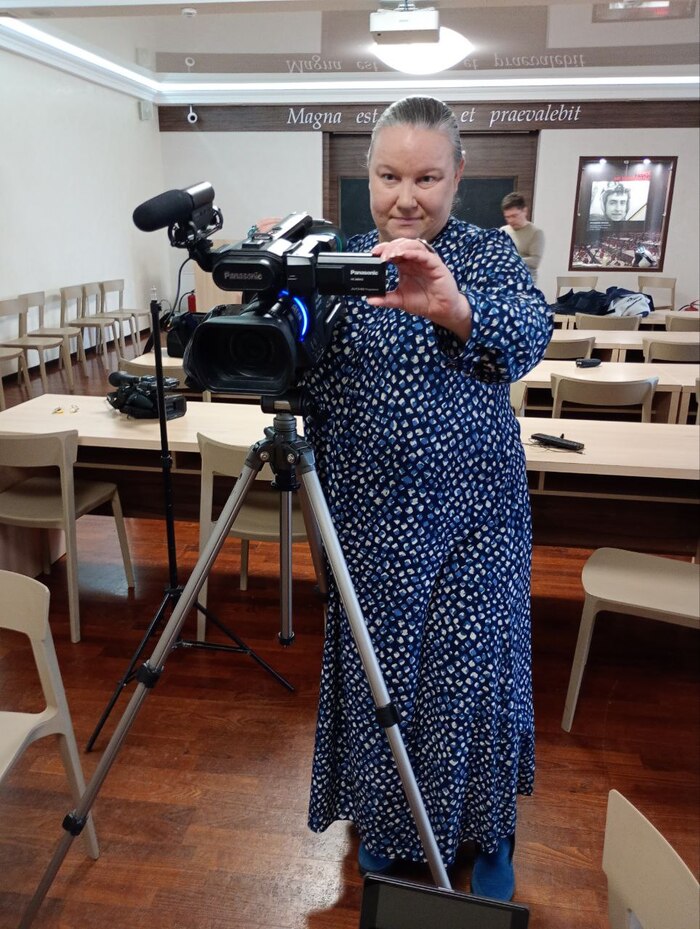
The final reporting interview of participants in the innovative Erasmus+ educational project “UkrDigiTrans” was held at the Bogomolets National Medical University. Teachers from various departments shared their impressions of the training, the results of implementing digital tools in the educational process, and plans for further digitalization of training for students and doctors.
The UkrDigiTrans project, within the framework of the comprehensive Erasmus+ program of the European Union, became an important platform for improving the qualifications of the NMU teaching staff. The program consisted of three intensive blocks of “Peer Trainers” training aimed at mastering modern digital solutions, tools, pedagogical methods, and integrating the latest technologies into the daily work of a teacher.
New competencies and European experience: during the interview, participants noted the high level of organisation and the relevance of the training content. In particular, Assistant Professor in the Department of Descriptive and Clinical Anatomy Andriy Yanchyshyn emphasised that such measures are necessary to support NMU’s status as a leader in medical education. He focused on the importance of the structuring of the received materials and their practical value for each teacher.
Acting Head of the Department of Pediatric Infectious Diseases, Valeriy Shadrin drew attention to the study of best European practices. Of particular interest were the methods for integrating artificial intelligence into educational programs and the implementation of a student-oriented approach.
From theory to practice: Associate Professor of the Department of Pediatric Infectious Diseases Natalya Kyrytsia, who completed all three trainings, noted that the trainings exceeded her expectations.
«I received real practical tools that I am already implementing in my activities. Thanks to the experience of the trainers, I learned how to make the student not a passive listener, but an active participant in the process», – she shared.
Senior lecturer of the Department of Pharmacology Anna Gorbach noted a significant increase in the level of mastery of digital technologies. According to her, the use of interactive platforms and visualisation helps students better understand complex clinical cases and the mechanisms of action of drugs.
Creative approach and individual trajectory: Professor of the Department of Obstetrics and Gynaecology, Olena Hnatko expressed gratitude to the organisers for creating a “new world” of digital opportunities. She emphasised the importance of adapting the teacher to the requirements of modernity and noted the project mentors’ individual approach.
«This course showed that a team united by a common goal can unleash the creative potential of everyone. New tools allow you to create a living learning environment where students clearly understand their tasks», – the professor concluded.
All surveyed participants unanimously spoke in favour of the need to conduct such trainings regularly. The knowledge gained from Bloom’s taxonomy, the creation of microcourses, the use of pedagogical media, the application of artificial intelligence, interactive questionnaires, and simulation learning will serve as the foundation for the further digital transformation of teachers’ skills in NMU departments. The UkrDigiTrans project has once again proven that it is never too late to learn, and that the synergy of experience and digital innovations is the key to high-quality training for future doctors.
#UkraineDigiTrans
New №30
BOGOMOLETS NATIONAL MEDICAL UNIVERSITY COMPLETED THE 3RD TRAINING CYCLE WITHIN THE ERASMUS+ KA2 UKRAINEDIGITRANS PROJECT
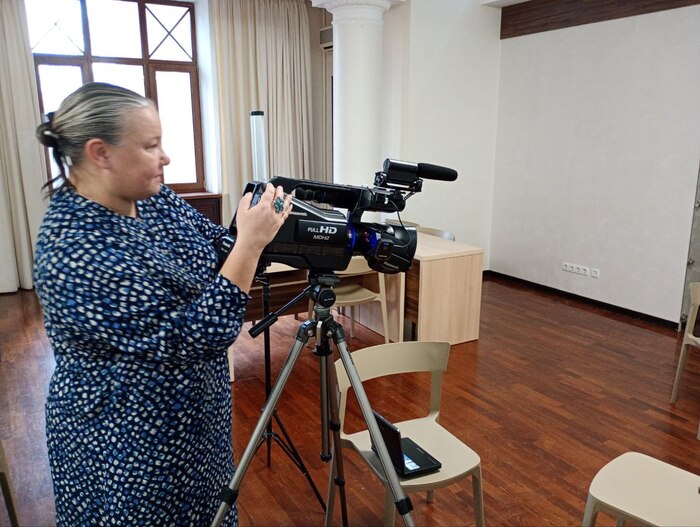
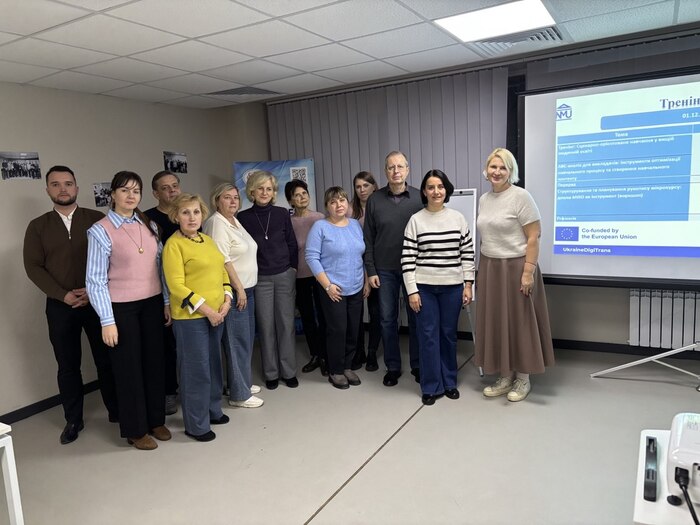
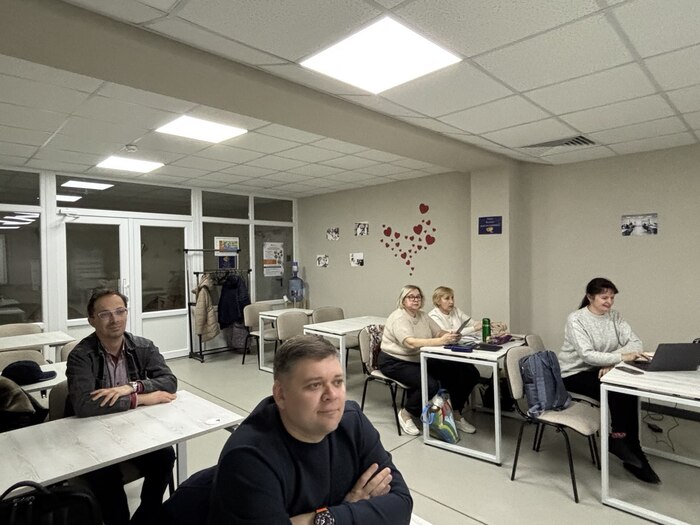
From 19.11.2025 to 04.12.2025 – a series of training sessions was held at Bogomolets National Medical University as part of the “Peer Trainers” educational program, aimed at developing modern digital pedagogical culture, strengthening professional competencies of university educators, and implementing innovative teaching approaches.
The team of trainers included: Oksana Vygovska, MD, Dean of the Medical Faculty №3, Professor of the Department of Pediatric Infectious Diseases; Ievgeniia Burlaka, MD, Professor of the Department of Pediatrics №4; Inna Kucherenko, PhD in Physics and Mathematics, Associate Professor, Head of the Department of Educational and Methodological Work, Licensing and Accreditation, Associate Professor of the Department of Medical and Biological Physics and Informatics, Associate Professor of the Department of Medical and Biological Physics and Informatics; Lesia Lymar, Doctor of Pedagogics, Associate Professor, Director of Academic Continuous Education Center; and Anna Blahaya, PhD in Medicine, Associate Professor of the Department of Hygiene and Ecology.
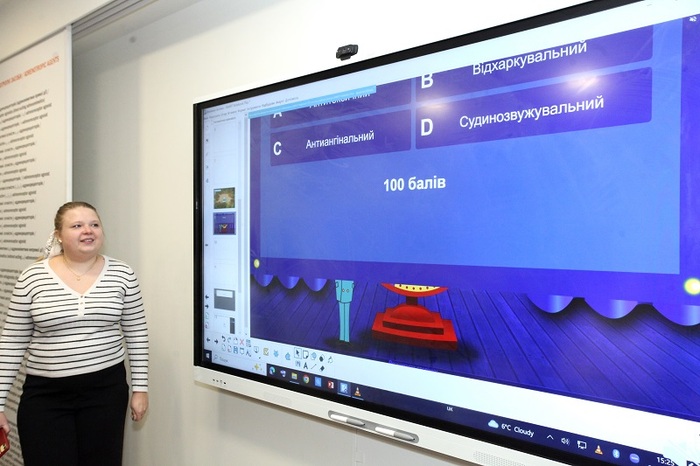
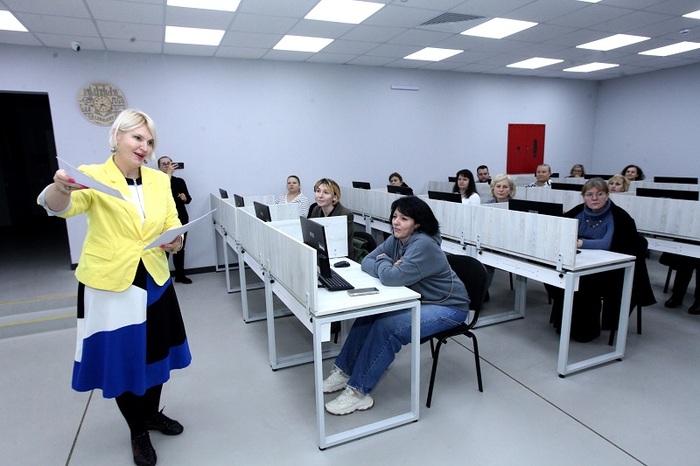
The training sessions were designed based on the principles of interactivity, practical orientation, and collaboration. Participants worked in groups, shared experiences, completed hands-on tasks, and created their own educational products.
Within the program, participants explored key areas of modern digital pedagogy:
- Principles of peer-learning and digital pedagogy: the role of mutual learning, professional support, and pedagogical skill development.
- Design and adaptation of educational content: course structure, requirements for electronic resources, and instructional design.
- Blended and distance learning: methods to enhance student engagement, digital services for communication and feedback.
- Multimedia solutions in education: creation of interactive presentations, videos, infographics, and learning modules.
- Modern assessment tools: formative assessment, online testing, and the use of platforms for creating tasks and rubrics.
- Development of individual educational projects: participants began creating prototypes of future courses and learning modules.
After completing the training cycle, instructors:
- updated their teaching approaches in accordance with modern educational standards;
- mastered effective digital tools for developing educational materials;
- improved their skills in structuring and presenting learning content;
- expanded their abilities to organize interactive and blended learning formats;
- initiated the creation of course prototypes to be further refined and implemented into the educational process;
- joined the university community of pedagogical innovators.
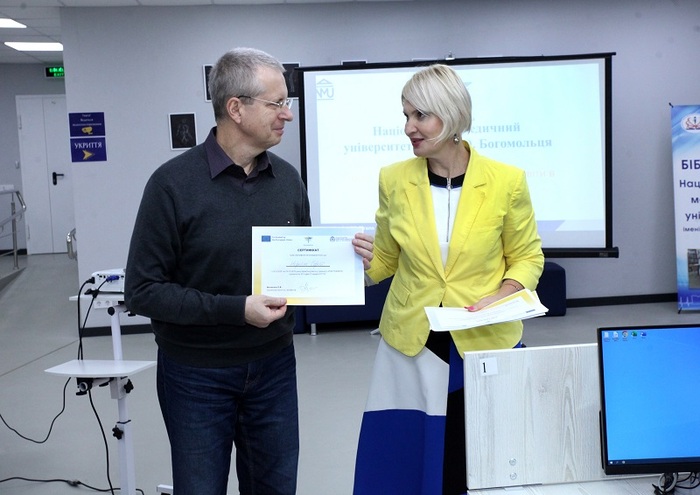
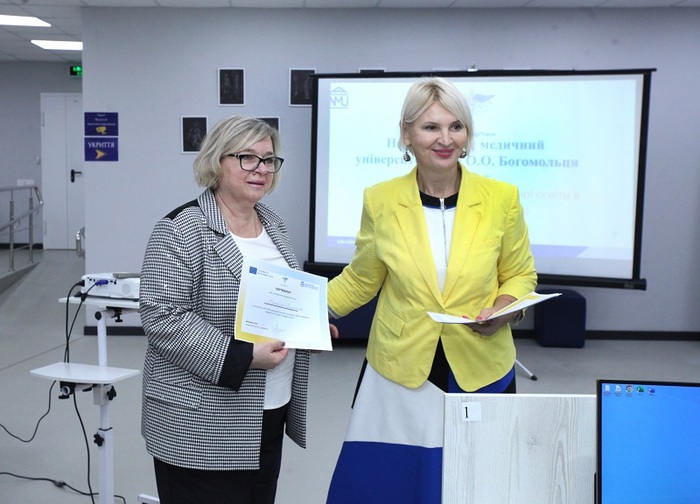
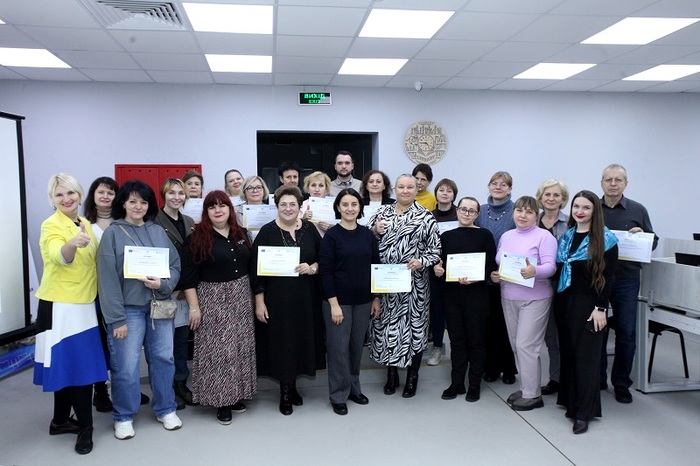
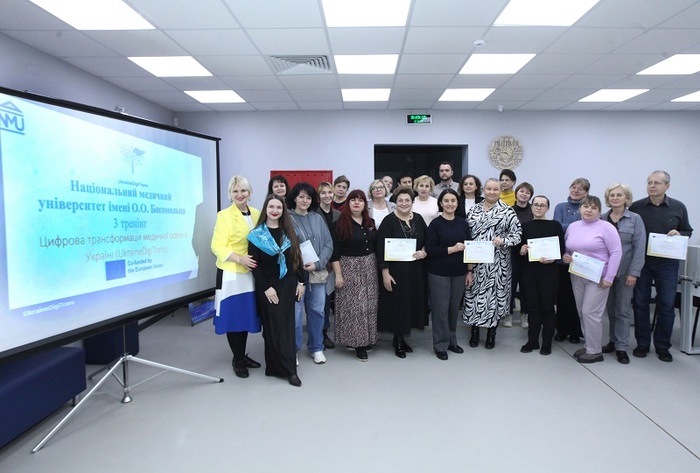
Upon successful completion of the program, all participants received certificates of completion, confirming their acquisition of digital pedagogy fundamentals and their active involvement in developing a modern educational environment at NMU. The awarding of certificates marked the culmination of intensive work and recognized the educators’ professional growth, motivation, and readiness to introduce innovations into the teaching process.
The “Peer Trainers” program is an important step toward building a network of pedagogical leaders within the university – educators capable of promoting modern teaching practices and supporting colleagues throughout the digital transformation process. The high engagement of participants and the quality of their completed projects testify to the academic community’s readiness for sustainable and systemic changes aimed at modernizing medical education in Ukraine.
#UkraineDigiTrans
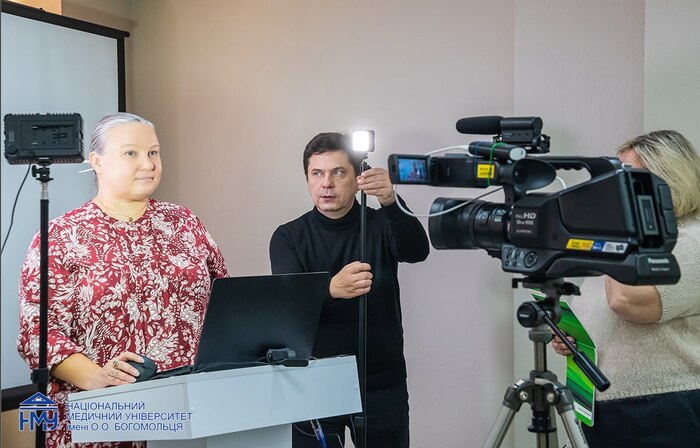
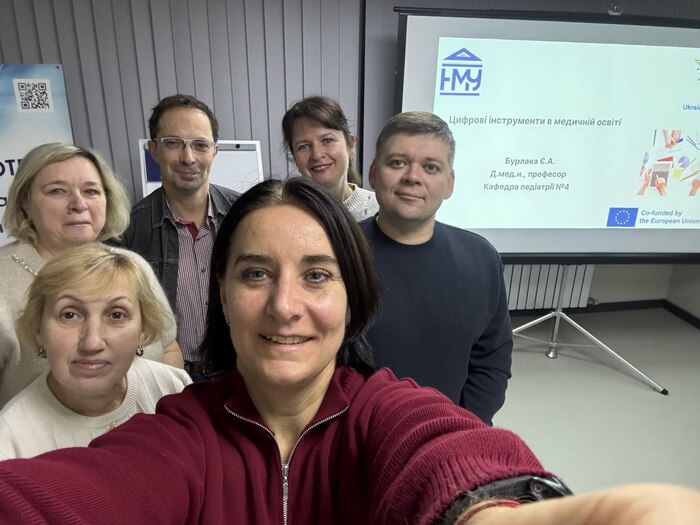
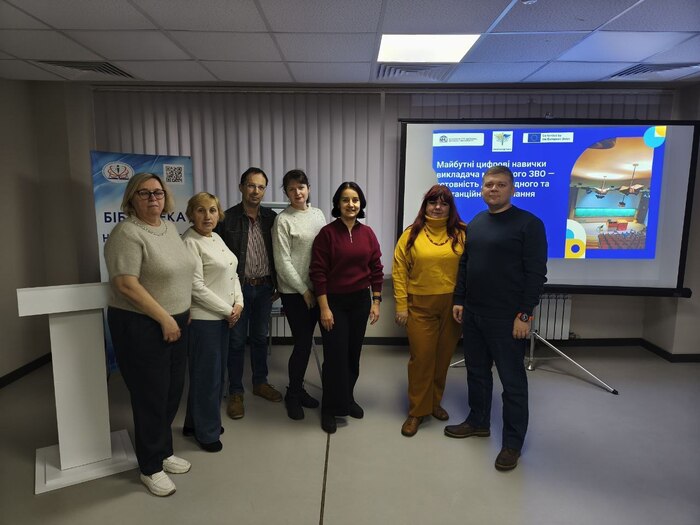
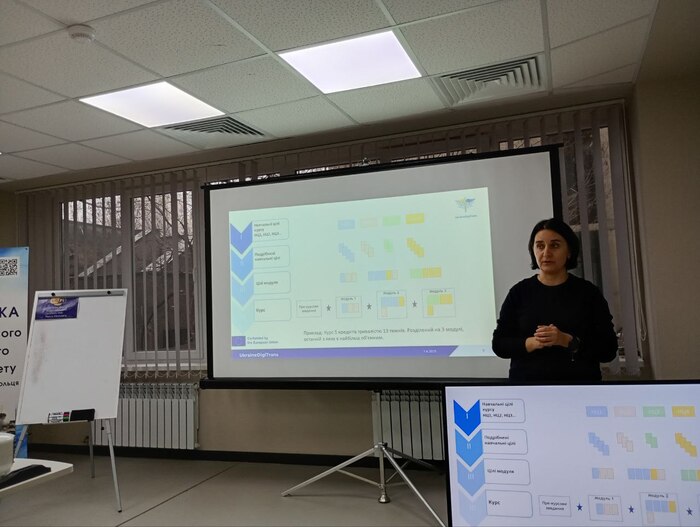
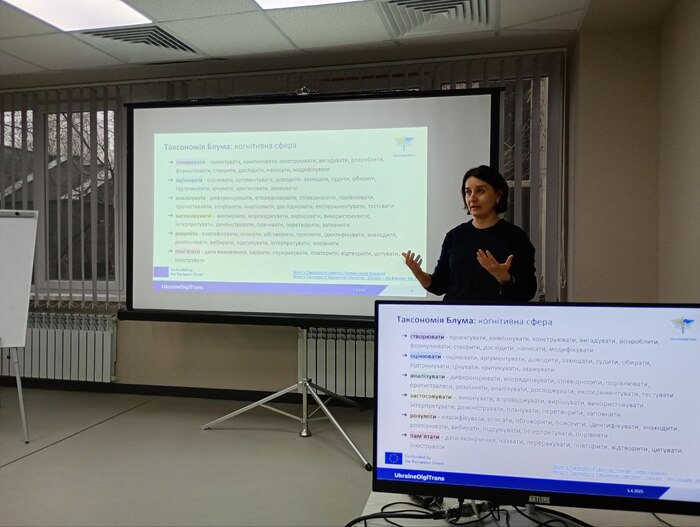
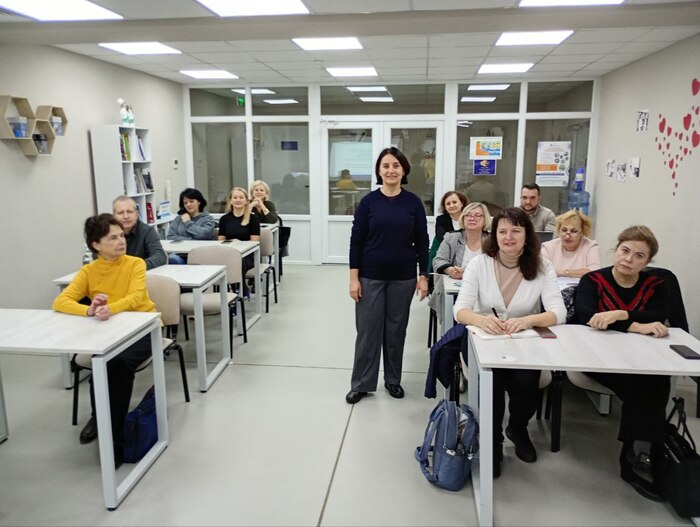
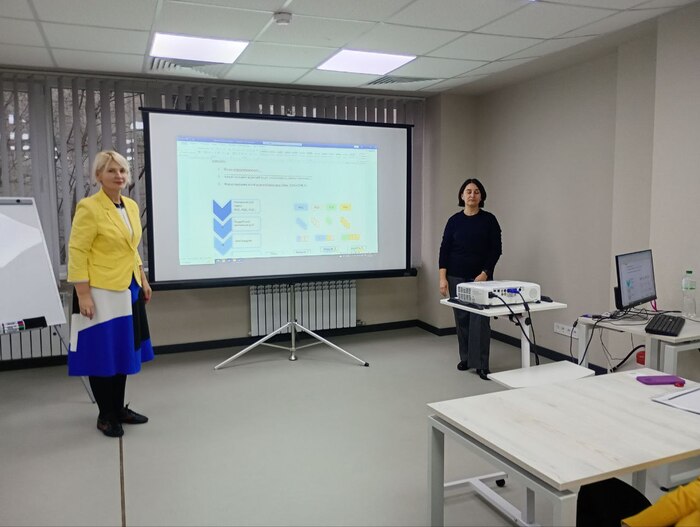
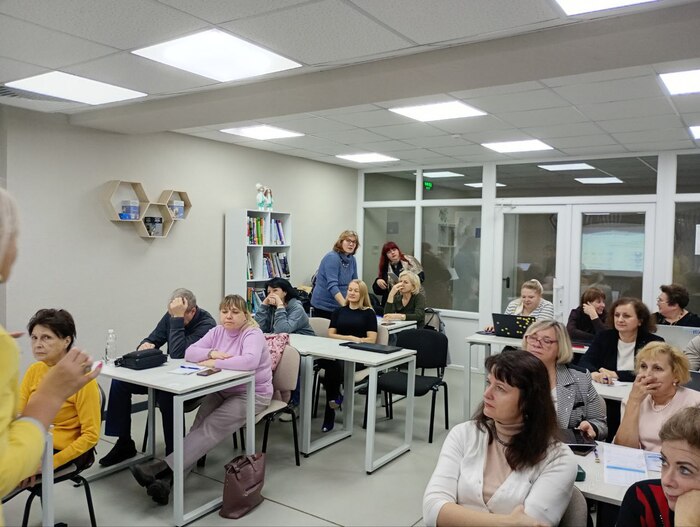
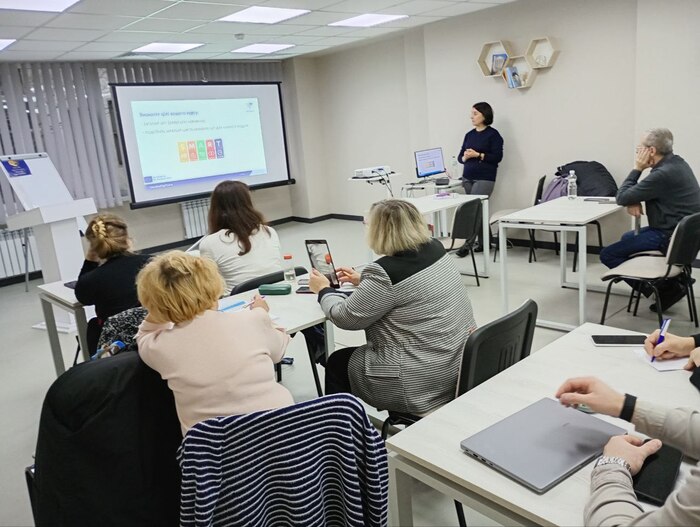
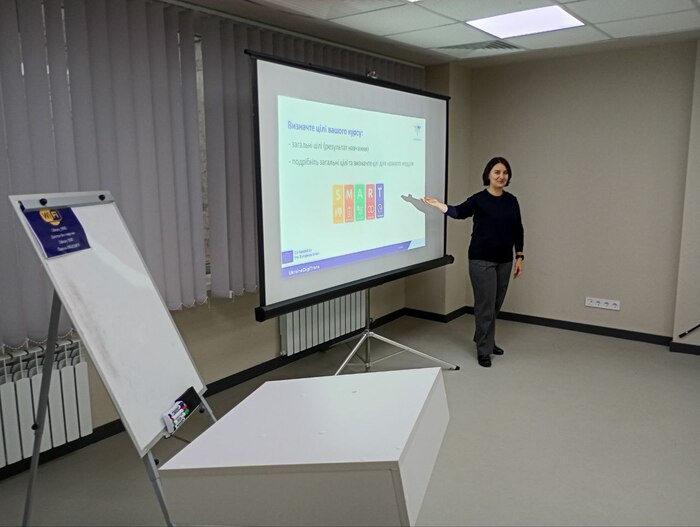
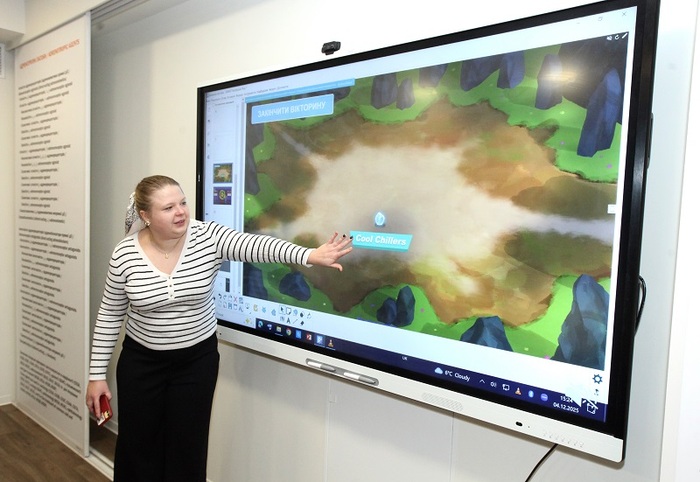
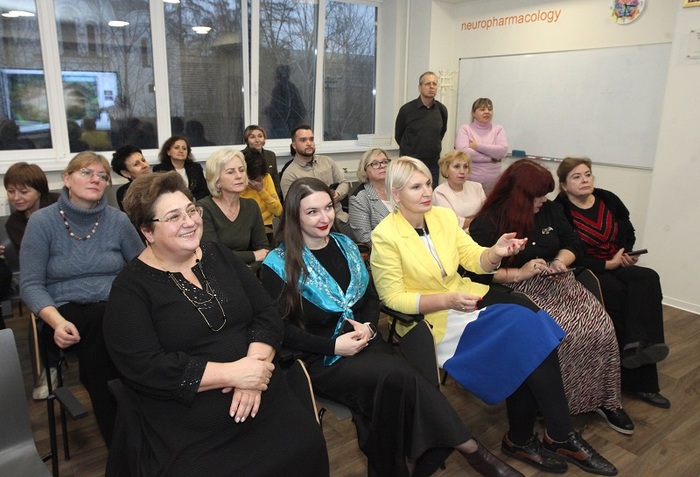
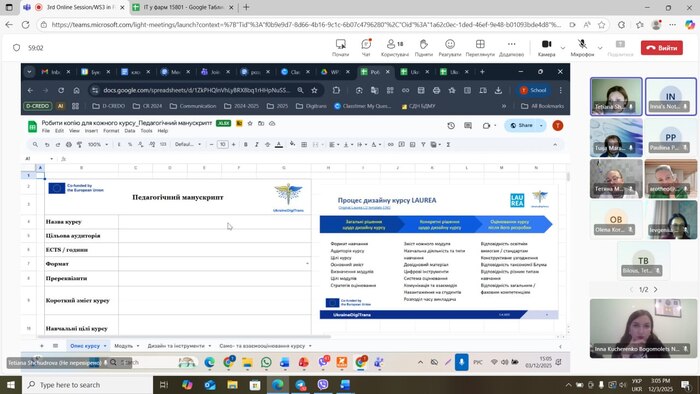
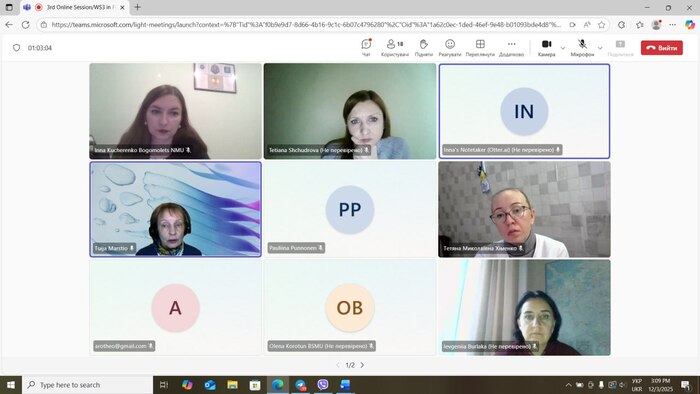
DIGITAL-PEDAGOGICAL SUPPORT AND PREPARATION FOR THE SECOND STAGE OF UKRAINEDIGITRANS: BOGOMOLETS NMU JOINED THE STRATEGIC PLANNING DISCUSSION FOR 2026
Experts from Bogomolets National Medical University participated in an online meeting within the Erasmus+ KA2 UkraineDigiTrans project, during which a detailed plan for digital-pedagogical support for the second stage of the project in 2026 was presented.
The delegation from Bogomolets National Medical University included Oksana Vygovska, MD, Dean of the Medical Faculty №3, Professor of the Department of Pediatric Infectious Diseases; Ievgeniia Burlaka, MD, Professor of the Department of Pediatrics №4; Lesia Lymar, Doctor of Pedagogics, Associate Professor, Director of Academic Continuous Education Center; and Anna Blahaya, PhD in Medicine, Associate Professor of the Department of Hygiene and Ecology.
Partner teams from AUTH and Laurea, together with Ukrainian educators, introduced a support model that includes regular educational and consultation activities aimed at improving the quality of digital pedagogy and enhancing the process of updating academic courses.
A key element of the plan will be the monthly online sessions starting in January 2026. These sessions will focus on:
- reporting on the progress of course development and updates;
- discussing the current needs of Ukrainian universities in the digitalization of education;
- analyzing topics proposed by Ukrainian partners, including the use of AI tools, development of micro-courses and retake courses, organizational processes, networking and interoperability, as well as inter-university collaboration in course development.
To address the specific needs of individual universities, bilateral sessions are also planned, enabling more precise adjustment of pedagogical and digital solutions according to the requests of particular teams.
An important part of the meeting was the discussion of a unified course manuscript, which will serve as the structural foundation for further project activities. Participants outlined the key components of the future manuscript, approaches to content unification, and requirements for integrating simulation technologies and virtual patient tools. Agreeing on a shared framework will ensure a high-quality, standardized, and technologically oriented educational product for all Ukrainian partner universities.
The event demonstrated the strong commitment of university teams to advancing digital and simulation-based solutions in medical education and marked an important step toward achieving the strategic goals of UkraineDigiTrans.
#UkraineDigiTrans