UkraineDigiTrans «Digital Transformation for Medical Education in Ukraine
 |
 |
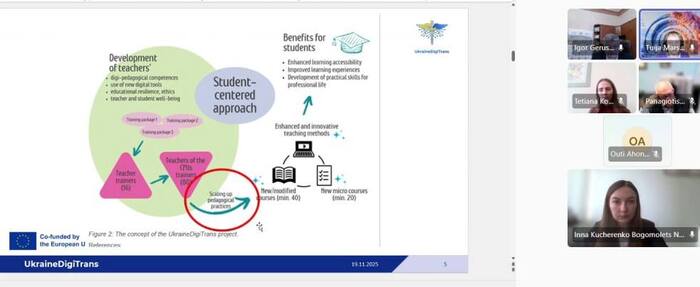
Project description In the context of current challenges related to the war, global changes in education, and the rapid development of digital technologies, Ukrainian medical universities need to update their approaches to teaching and learning. This project aims to comprehensively modernize medical education through the introduction of digital solutions, improve the pedagogical skills of teachers, and create a sustainable educational ecosystem. Project duration: from November 01, 2024 to October 31, 2027. Project code: 101179494 – UkraineDigiTrans – ERASMUS-EDU-2024-CBHE Program: Erasmus+ KA2 (cooperation projects) Type of action: Higher education capacity building Project Coordinator: Laurea University of Applied Sciences (Finland) Project objective: To increase the level of digital competencies of teachers at medical universities in Ukraine, which will help improve teaching approaches adapted to modern health care needs, including the provision of distance health care services and the use of eHealth. The aim is also to create a sustainable educational system that can function in times of crisis and to develop curricula that take into account the digital transformation of medical education and provide support to both teachers and students. The main objectives of the project: The specific tasks for NMU:
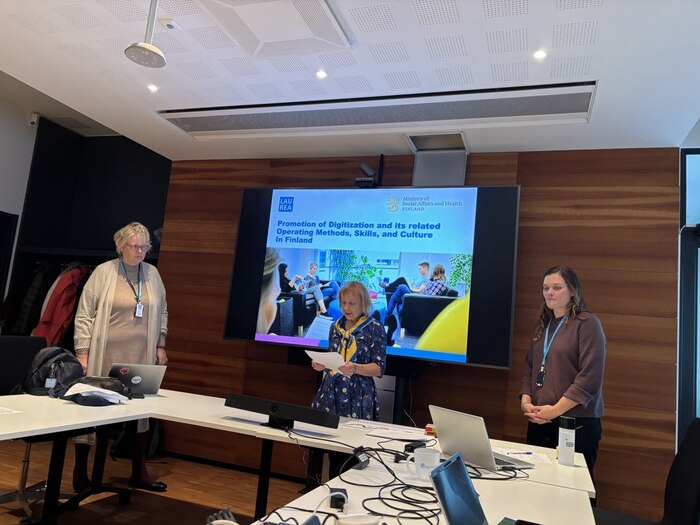
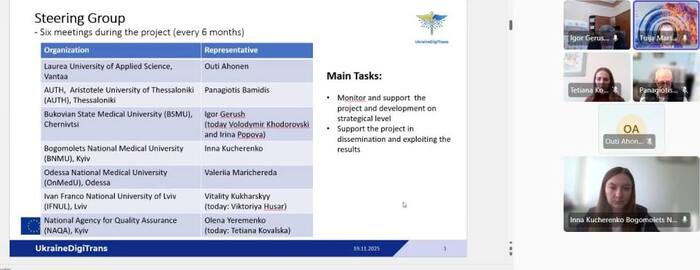
Project Consortium: Laurea University of Applied Sciences Aristotle University of Thessaloniki BSMU (Bukovinian State Medical University) BNMU (Bogomolets National Medical University) ONMedU (Odessa National Medical University) IFNUL (Ivan Franko National University of Lviv) NAQA (National Agency for Higher Education Quality Assurance) 


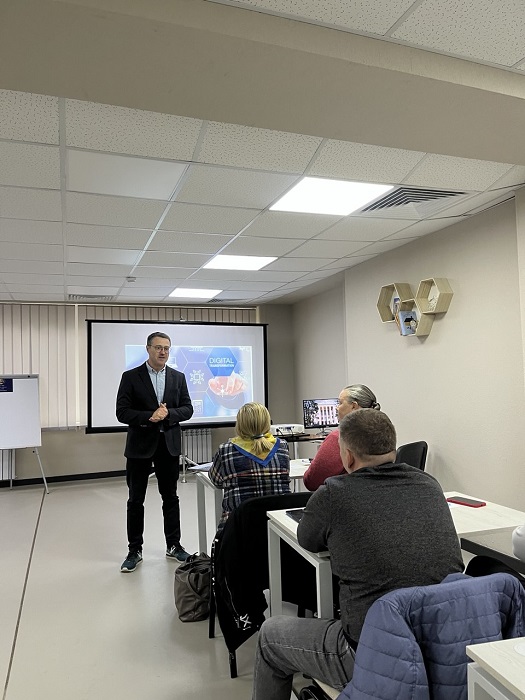
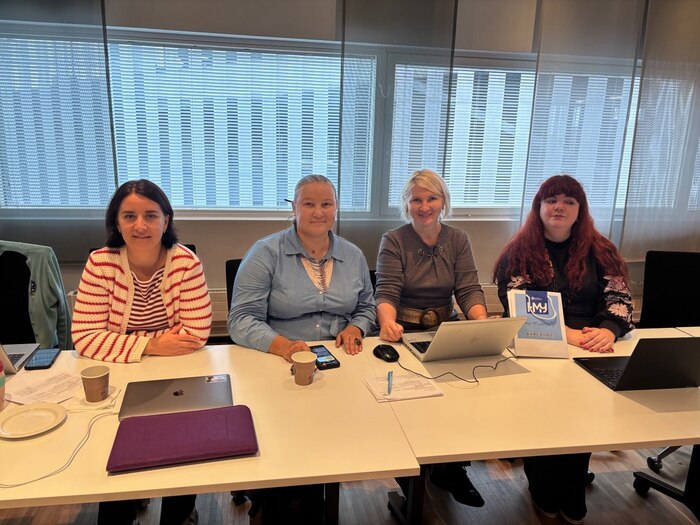
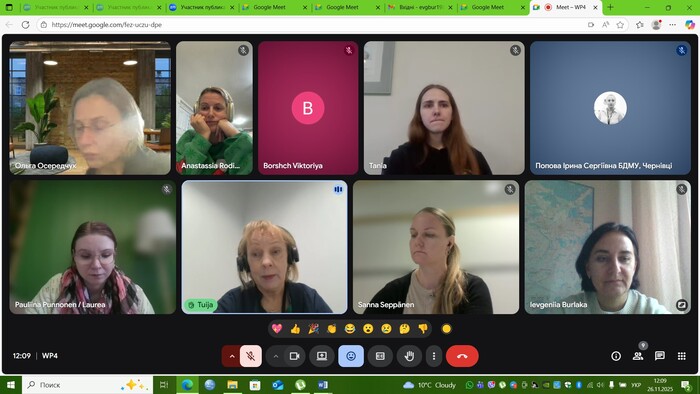
New №1 Together with partners, NMU has won a grant in the UkraineDigiTrans project The Bogomolets National Medical University, in cooperation with partners, has won a grant in the UkraineDigiTrans project on Digital Transformation for Medical Education in Ukraine, which is one of the Erasmus+ projects for the development of higher education capacity in 2024. It brings together partners from Ukraine, Greece, and Finland, covers specialized educational programs, and aims to support the university in digital transformation. The project coordinator is Laurea University of Applied Sciences (Finland), and the partners are the Aristotle University of Thessaloniki (Greece), Bukovinian State Medical University, Bogomolets National Medical University, Odessa National Medical University, Ivan Franko National University of Lviv, and the National Agency for Higher Education Quality Assurance. The main idea of UkraineDigiTrans is to support Ukrainian universities in their digital transformation by implementing innovative educational methodologies focused on students, with a focus on online learning through war. Participation in the project will help to improve the pedagogical skills, professional competence and educational sustainability of academic staff of medical universities. It is about the development of an electronic healthcare system with large-scale use of digital technologies in medicine. The project will cover specialized educational programs at universities, which will encourage them to master new digital solutions and tools. New №2 Digital Transformation of Medical Education in Ukraine (UkraineDigiTrans) In order to develop the potential of higher education in Ukraine, the project Digital Transformation of Medical Education in Ukraine (UkraineDigiTrans) will run from November 1, 2024 to October 31, 2027, within the framework of the Erasmus+ Higher Education Capacity Building Program. The main idea of the project is to support Ukrainian universities in digital transformation through the implementation of innovative educational methodologies focused on students, with a focus on online learning due to the war. Participation in the project will help to improve the pedagogical skills, professional competence and educational sustainability of academic staff of medical universities. It is about the development of an electronic healthcare system with large-scale use of digital technologies in medicine. The project covers specialized educational programs at universities, which will encourage the development of new digital solutions and tools. Project objectives: New №3 The project Digital Transformation of Medical Education in Ukraine (UkraineDigiTrans) has been started On November 1, the project “Digital Transformation of Medical Education in Ukraine (UkraineDigiTrans)” was started, which will promote the digital transformation of medical universities in Ukraine. In particular, the project will introduce innovative student-centered educational methods, with a focus on online learning, improve pedagogical skills, professional competencies, and develop digital and pedagogical competencies of academic staff. The project will be implemented by a consortium of research institutions from Ukraine, Finland, and Greece. The project coordinator is Laurea University of Applied Sciences (Finland). The main goals of the project are to improve pedagogical skills and increase the level of professional competencies. The project involves the creation of training packages for teacher training, development of resources for pilot implementation, curriculum development, implementation of modified/new courses in partner universities, accreditation of new courses, and promotion of sustainable cooperation networks. The project will train trainers for teachers at partner higher education institutions, who will further disseminate the knowledge gained among teachers. In the long run, the project will contribute to the quality improvement and digital transformation of higher education in Ukraine. Project partners: Laurea University of Applied Sciences (Finland) – coordinator, Aristotle University (Greece), Bukovinian State Medical University, Bogomolets National Medical University, Odessa National Medical University, Ivan Franko National University of Lviv, National Agency for Higher Education Quality Assurance (Ukraine). The project will run from November 1, 2024 to October 31, 2027. The total budget of the project is EUR 830,079, including an EU grant of EUR 799,366.08 and an EU grant for Ukraine of EUR 488,830.36. New №4 The kick-off meeting of the Erasmus+ consortium of the UkraineDigiTrans project was held On December 3-4, the kick-off meeting of the Erasmus+ consortium of the project “Digital Transformation of Medical Education in Ukraine” (UkraineDigiTrans) was held at Laurea University of Applied Sciences, Finland. As part of the consortium, participants from Ukraine, Greece and Finland took part in events dedicated to the management and planning of UkraineDigiTrans. The Bogomolets National Medical University was represented at the event by Vice-Rector for Research and Innovation, Professor Sergii Zemskov and Dean of the Medical Faculty №3, Professor, Project Coordinator Oksana Vygovska. UkraineDigiTrans is an important initiative for higher medical education in Ukraine, as the project aims to improve the skills of teachers in the field of digital technologies in medicine. The project partners are Laurea University of Applied Sciences (Finland), The Aristotle University of Thessaloniki (Greece), Bogomolets National Medical University, Bukovinian State Medical University, Odessa National Medical University, Ivan Franko National University of Lviv, and the National Agency for Higher Education Quality Assurance. Each participant introduced the partners to the activities of each higher education institution and their capabilities in the context of this project. As a result of the kick-off meeting, the main topics for teacher trainings in 2025 were identified, and at least 3 face-to-face trainings at universities in Greece and Finland and 3 online webinars for further training of at least 20 teacher-instructors at each Ukrainian partner university are planned. Link to the presentation of the Bogomolets National Medical University New №5 Key online meeting of UkraineDigiTrans on the preparation of international sessions Train-the-Trainers On January 20, the consortium held a general online meeting dedicated to planning a series of international Train-the-Trainers events that will soon take place in Finland (March), Greece (summer) and again in Finland (autumn). The meeting focuses on strategic issues that determine the quality and effectiveness of future training: Ahead – intensive preparation, detailing of programs and organization of each stage of the educational process. UkraineDigiTrans is moving forward to systemic changes in medical education! Additionally: The meeting focused on mapping and registering trainers for seminars in Europe, which required 16 trainers (4 from each Ukrainian HEI) and 20 staff from each university. The seminar, which will last five days each in an offline format with three subsequent sessions in an online format, aims to improve the digital-pedagogical skills of medical teachers through artificial intelligence, microlearning and online simulation pedagogy. Participants must be proficient in English. The selection process involves project curators from the university, which provides motivated and relevant candidates. Training materials will be posted on the Moodle platform, the estimated deadline for the selection of participants is January 31. The next steps include completing the training package proposal and discussing the specific topics of the workshop. New №6 Regular meetings of UkraineDigiTrans ensure sustainable development of the project Monthly Program Management Meetings within the framework of the project “Digital Transformation of Medical Education in Ukraine” (UkraineDigiTrans) serve as an important strategic tool for achieving goals and ensuring sustainable development. These meetings allow you to: This approach allows the UkraineDigiTrans team not only to effectively control the progress of the project, but also to actively influence its future, gradually transforming medical education in Ukraine. New №7 Focus on quality training: results of the March meeting of the UkraineDigiTrans team On March 7, the UkraineDigiTrans project team held another working meeting focused on key aspects of the initiative. The central topic was the discussion of the Quality Assurance Plan, which should become the foundation for ensuring high quality of tasks at all stages of the project. Participants analyzed in detail strategies for implementing quality assurance approaches that will contribute to stability, efficiency and achievement of planned results. Special attention was paid to the analysis of the results of recent interviews with teachers. They provided valuable information for a deeper understanding of current challenges and outlining directions for further training. There is also active preparation for future trainings: New №8 Within the framework of the UkraineDigiTrans project, the first session of Train-the-Trainers has officially started Teams of leading Ukrainian partner universities joined the training: Each university is represented by a team of four dedicated professionals – future coaches and change agents, ready to lead the transformation in their institutions. The training is conducted by a European group of experts from Laurea University of Applied Sciences (Finland) and Aristotle University of Thessaloniki (Greece). But this is more than just training. These are: We are convinced that real change begins with people – motivated, united by a common vision and ready to act! New №9 Week of digital transformation of education within the framework of the UkraineDigiTrans project As part of the implementation of the international project UkraineDigiTrans, a five-day training for trainers was held on the transformation of higher education in the context of digitalization. The participants of the training were representatives of Ukrainian universities working on embedding digital approaches in the educational process and striving to introduce qualitative changes in their institutions. In particular, employees of the Bogomolets National Medical University took part in the international workshop “Training for Trainers,” held at the University of Applied Sciences Laurea (Finland). The experience gained by the specialists of our University is planned to be used to improve educational programs, develop new courses and disseminate modern approaches to teaching among colleagues. NMU was represented at the event by the Dean of the Medical Faculty № 3, Professor Oksana Vygovska, Professor of the Department of Pediatrics № 4 Evgeniіa Burlaka, Director of the Educational and Scientific Center for Continuing Professional Education of the Institute of Postgraduate Education, Associate Professor Lesya Lymar and Head of the Department of Educational and Methodological Work, Licensing and Accreditation, Associate Professor Inna Kucherenko. The event was held within the framework of the project “Digital Transformation of Medical Education in Ukraine” (UkraineDigiTrans), which contributes to the integration of Ukrainian medical universities into the digital space, increasing pedagogical skills and increasing the level of professional competencies. Thus, within the framework of the project, trainers are trained for teachers in partner institutions of higher education, which will then disseminate the acquired knowledge among teachers. In the long term, the project will contribute to improving the quality and digital transformation of higher education in Ukraine. For teachers of medical HEIs, participation in the project provides for assistance in creating training packages for the training of teachers, the development of resources for pilot implementation, the development of training programs, the introduction of modified/new/micro-courses in HEI partners of the project, the accreditation of new courses, and will also contribute to maintaining sustainable networks of cooperation. The coordinator of this project is Professor Oksana Vygovska. At the first stage of the workshop “Training for Trainers,” team training of representatives from four Ukrainian HEIs of Ukraine took place – Bogomolets National Medical University, Bukovinian State Medical University, Odessa National Medical University and Ivan Franko National University of Lviv. The teams consisted of four people. The first stage program focused on the development of digital pedagogical skills and the design of modern student-oriented learning, the introduction of innovative forms of hybrid education, the use of artificial intelligence in the educational process and digital security and ethics in healthcare. The training was conducted by specialists of the University of Applied Sciences Laurea Tuja Marstio, Mikael Uusi-Mäkelä, Paulina Punnonen, Ansi Mattila Mattila, Tomi Tolonen, Ilkka Vuorikuru and teacher of Aristotle University (Greece) Anastasia Rodina-Theocharaki. With the mentorship of foreign specialists, the workshop participants from Ukrainian universities mastered modern approaches to the design of training courses, took part in mini-workshops on the development of microcourses, tested tools for online teaching and digital interaction with students, got acquainted with the concepts of teaching sustainability, well-being and academic ethics. The next stages of the workshop “Training for Trainers,” which takes place within the framework of the UkraineDigiTrans project, will start on June 2 and will last until June 6 this year at the Aristotle University, and in October 2025 – at the Laurea University of Applied Sciences. New №10 Registration for the training course “Professional skills of the teacher: digital pedagogy” has begun Bogomolets National Medical University, within the framework of the UkraineDigiTrans grant project “Digital Transformation of Medical Education in Ukraine,” announces an open competition for the offline training course “Professional Skills of a Teacher: Digital Pedagogy.” The deadline for registration is April 23, 2025. The UkraineDigiTrans project is co-financed by the European Commission under the Erasmus + NEU program and aims to increase the capacity of partner universities in Ukraine by strengthening the experience and professional competencies of medical educators. Its achievement is planned through the introduction of a scalable learning model focused on digital pedagogical skills, learning design, electronic health and distance learning management, supported by educational guidelines and recommendations for the modernization and standardization of digital education practices. The training course “Teacher’s Professional Skills: Digital Pedagogy” was developed to provide university teachers with the most modern skills and methods of higher medical education. Participants will gain practical experience through innovative hybrid training courses combining advanced tools, in particular artificial intelligence, microlearning and online simulation pedagogy. In addition to technical skills, the course program will focus on promoting educational sustainability, well-being and ethical issues, providing appropriate equipment for teachers, in order to create a favorable and effective learning environment. Comprehensive training is ideal for medical educators to improve their own teaching practices and be at the forefront of the changing world of digital and hybrid education. What is offered to the contestants: – Access to training courses covering topics such as modern digital pedagogy, artificial intelligence in teaching and learning, e-medicine, telemedicine, cybersecurity, sustainability, and student and faculty well-being. – The ability to improve your teaching skills and effectively integrate digital tools in a pedagogically relevant way. – Support the modernization of existing courses through the use of innovative technologies. – Guidance on the development of new courses or micro-courses that can be taken into the university curriculum. – Access to quality training materials and a certificate of participation in each training event. – Improve student engagement through modern interactive teaching methods. – Knowledge of new trends in educational technologies and methodology for their confident application. – Knowledge on modern digital technologies and AI tools to improve student learning outcomes. – Expansion of educational portfolio, new skills in resume and LinkedIn profile. – Access to quality training materials and a certificate of participation in each training event. What to expect from the course participants: The course is free. After its completion, teachers who successfully complete the program will receive a corresponding certificate of professional pedagogical skills improvement (1 ECTS/30 hours). Date: May 12-16, 2025 (14:00-18:00). New №11 Participant Selection Completed for the Training Course “Teaching Excellence: Digital Pedagogy” May 12–16, 2025, 14:00–18:00 | Offline Bogomolets National Medical University is pleased to announce the completion of the participant selection process for the offline training course “Teaching Excellence: Digital Pedagogy”, conducted within the framework of the UkraineDigiTrans project – “Digital Transformation of Medical Education in Ukraine.” A total of 61 applicants from various Ukrainian medical higher education institutions took part in the competition.
Following the evaluation process, 34 participants were selected and officially invited to join the program. On April 29, 2025, an introductory online meeting was held between the project’s training team and the selected participants. Trainers are During the session discussed: The meeting also served as a platform for initial networking and community-building, helping to establish a supportive and inclusive learning environment. The course aims to enhance the digital and pedagogical competencies of medical university instructors. The program includes the following focus areas: Upon successful completion, participants will receive a certificate of professional development (1 ECTS / 30 academic hours). UkraineDigiTrans is a joint project supported by the European Commission under the Erasmus+ CBHE program. Its mission is to support the digital transformation of medical education in Ukraine by strengthening the professional capacity of educators, modernizing teaching practices, and integrating innovative learning technologies. New №12 “Peer Trainers” Training Launched at Bogomolets National Medical University within the Ukraine DigiTrans Project Kyiv, May 12, 2025 — A five-day training course titled “Peer Trainers” has begun at Bogomolets National Medical University as part of the international Ukraine DigiTrans project. This initiative aims to transform digital education in Ukraine and foster innovative teaching practices in higher education. On the first day, 34 faculty members from theoretical and clinical departments of the university gathered to dive into modern educational approaches. Participants were introduced to the program’s goals and structure. The day’s central theme focused on building 21st-century skills through a new paradigm of teaching. During the workshop “Designing Student-Centered Learning: The Flipped Classroom,” attendees explored contemporary educational strategies, discussed their advantages, and addressed potential implementation challenges. Special attention was given to Bloom’s Taxonomy as a tool for designing effective learning objectives. The day concluded with a lively discussion on the challenges and opportunities of integrating modern digital tools into Ukraine’s higher medical education system. The speakers on Day 1 included experts in pedagogy and digital education transformation:
– Oksana Vygovska
– Lesia Lymar
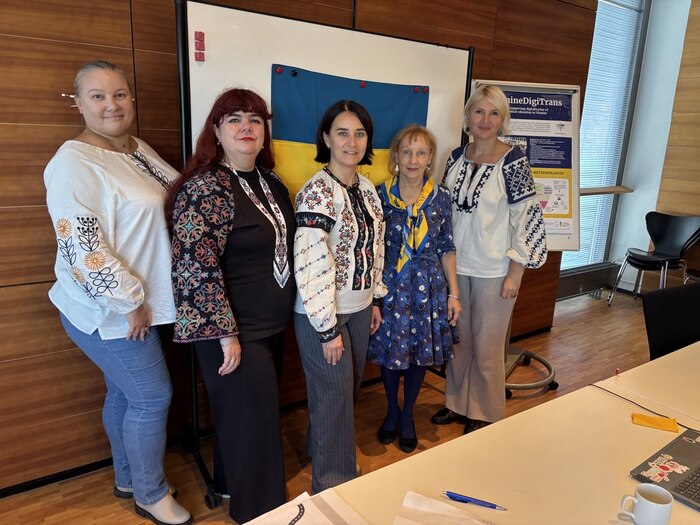
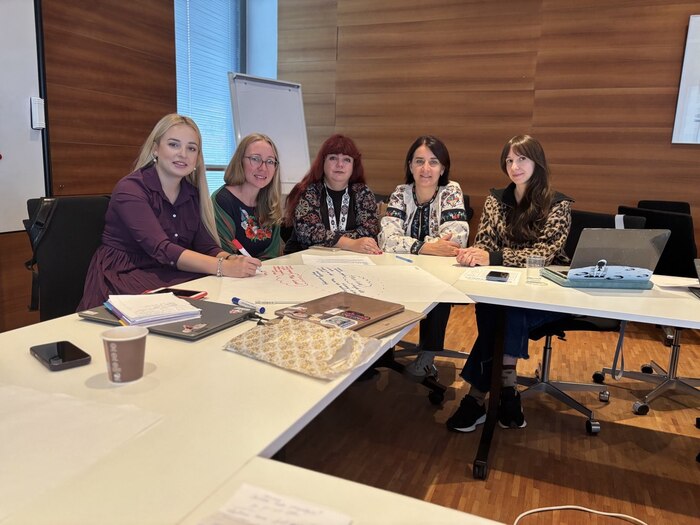
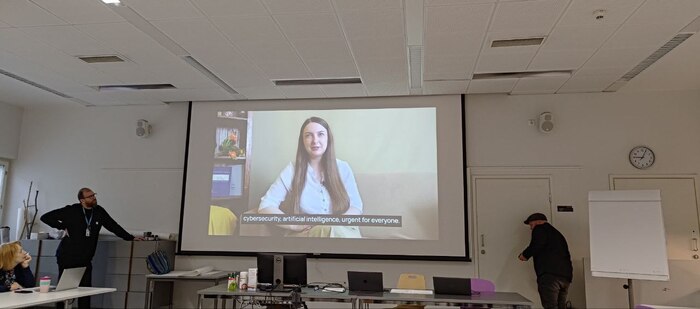
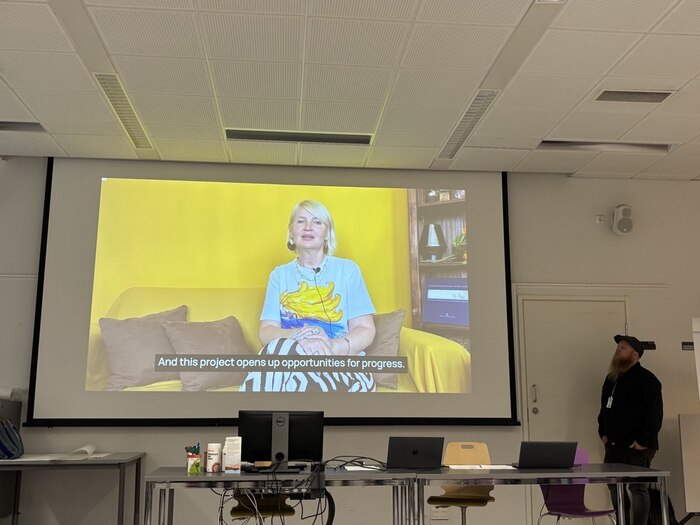
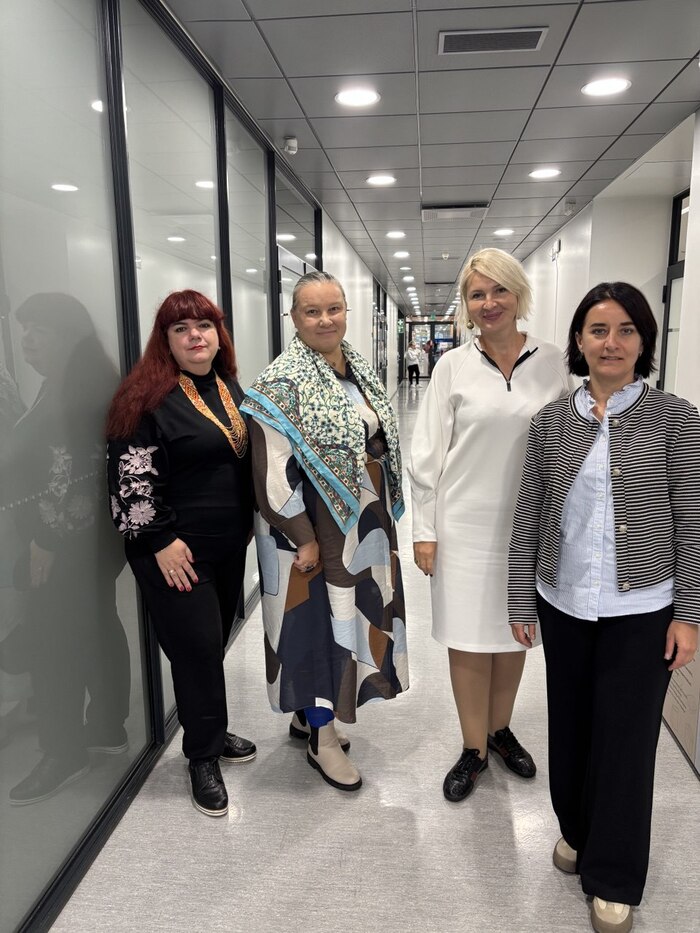
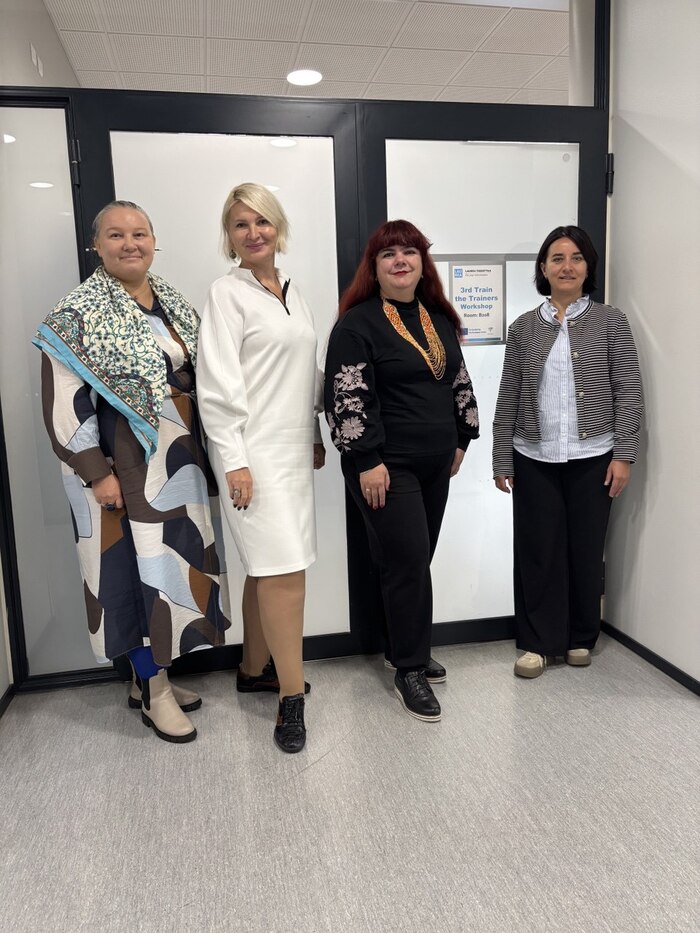
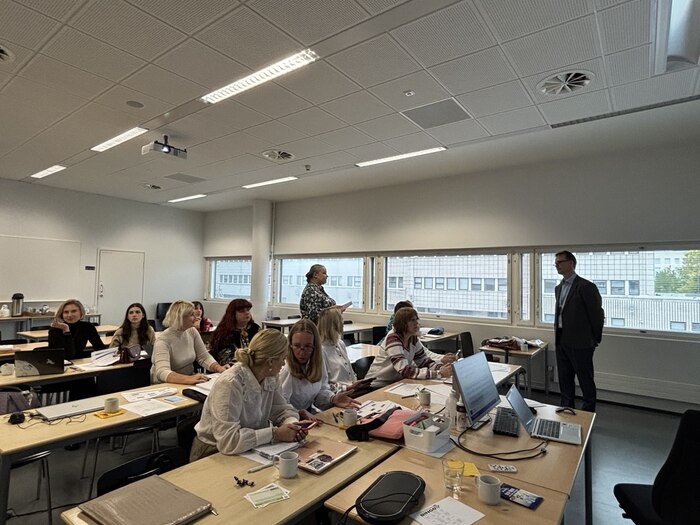
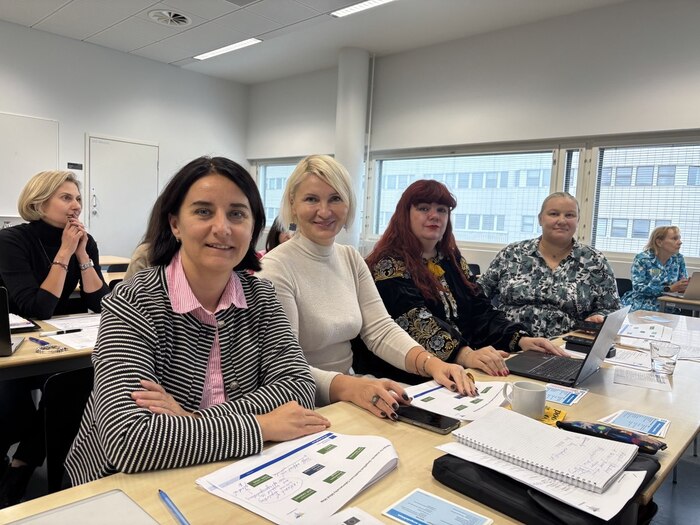
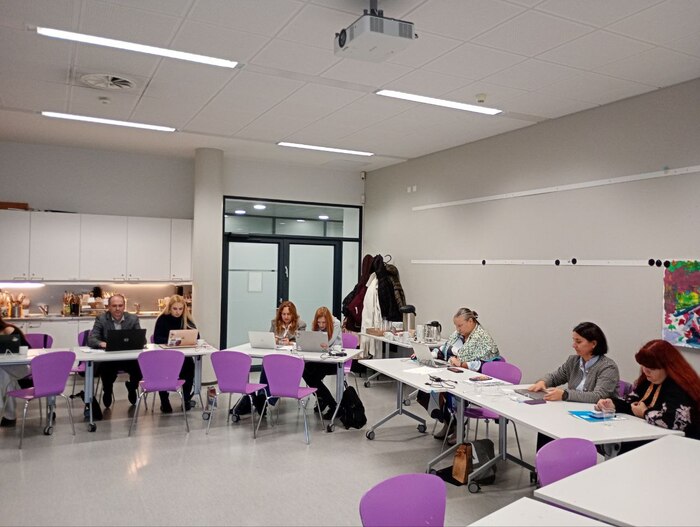
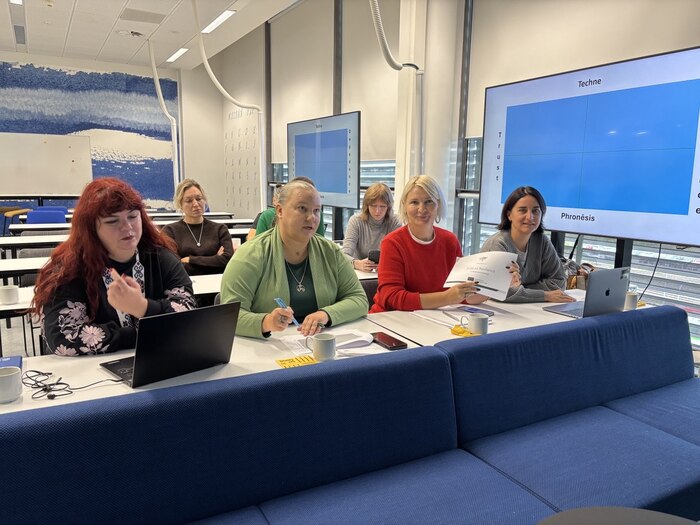
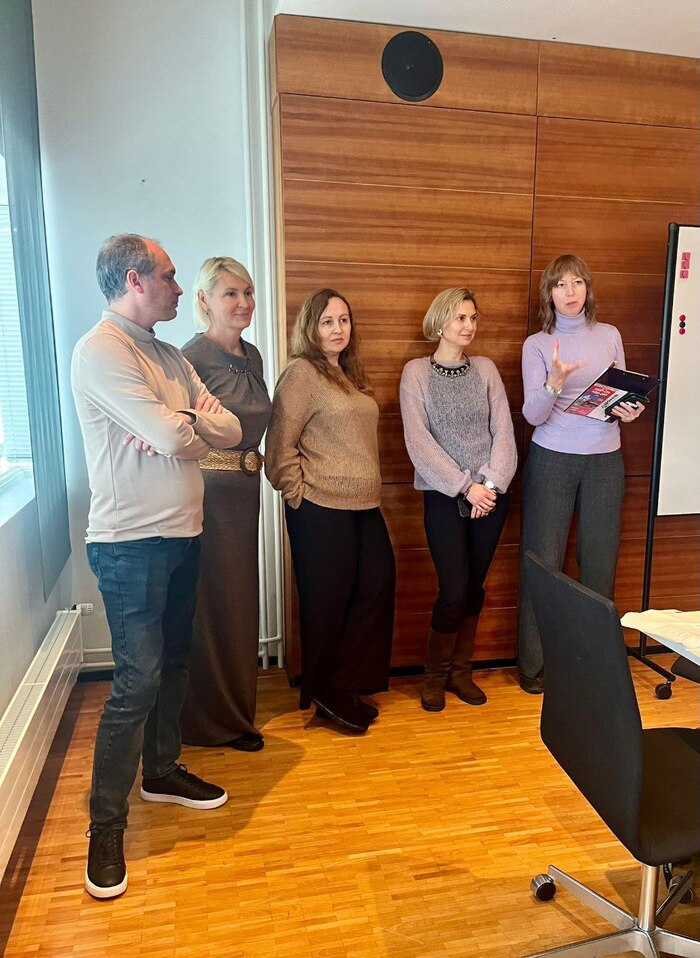
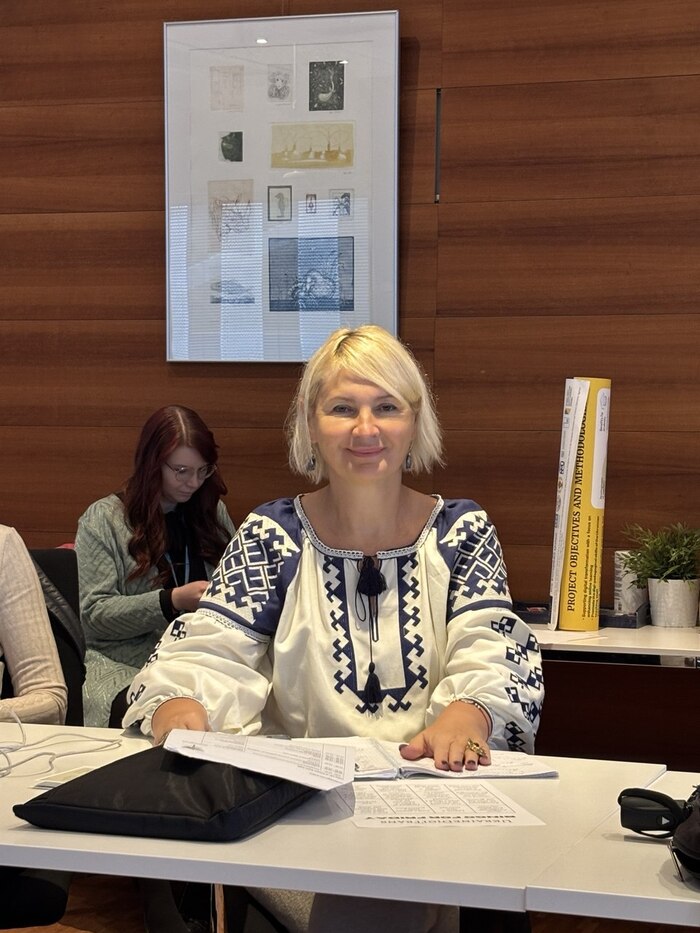
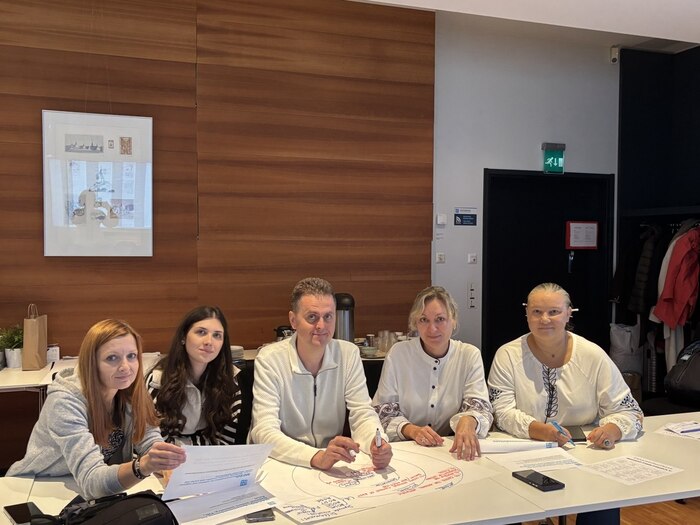
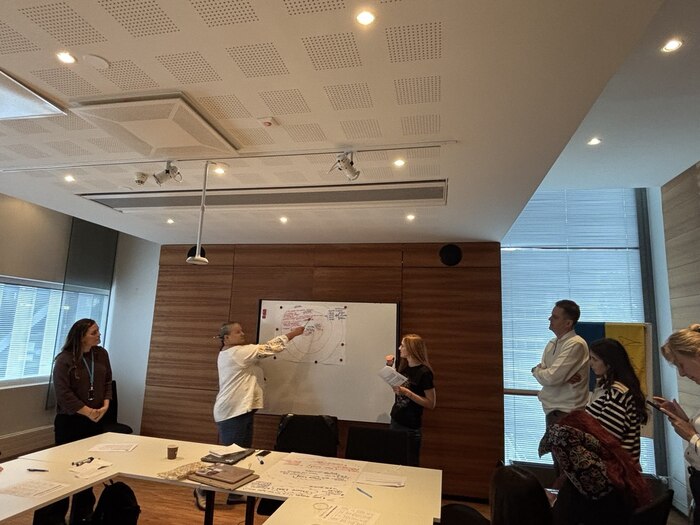
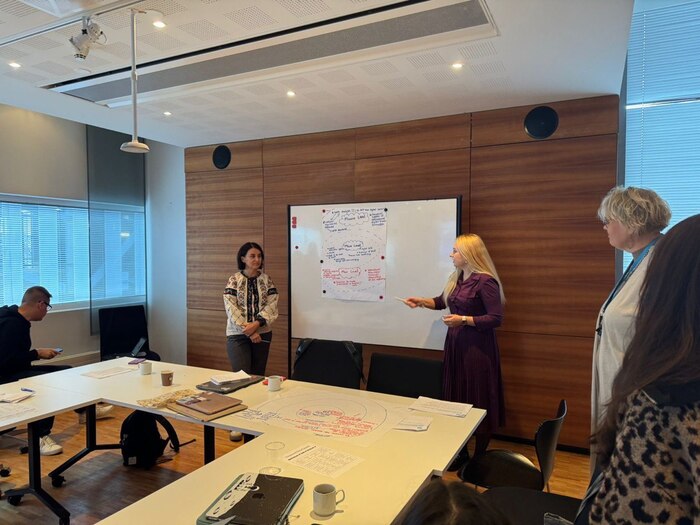
– Inna Kucherenko
– Ievgeniia Burlaka In total, participants completed 6 academic hours of theoretical and practical material. Ahead lie four more days of intensive learning, experience sharing, and idea generation for educational change. Upcoming training topics:
May 13 — Creating online courses and micro-courses, preparing for accreditation, and discussing the concept of micro-credentialing in education.
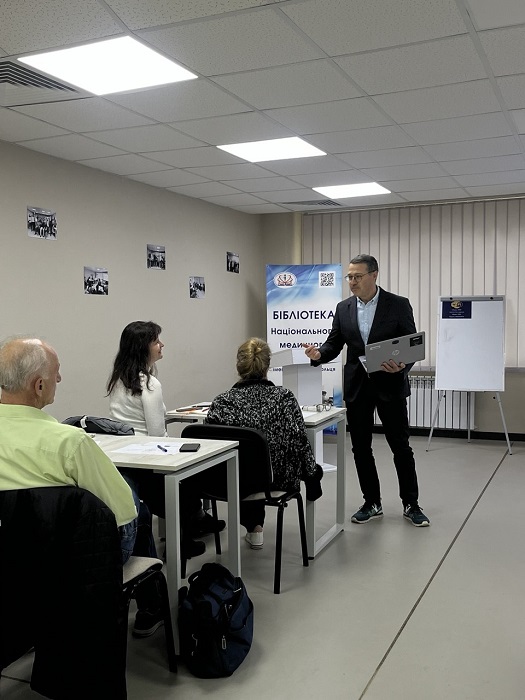
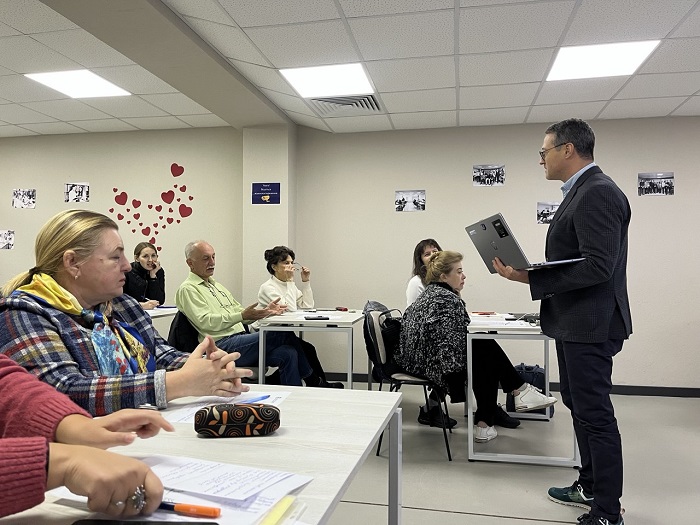
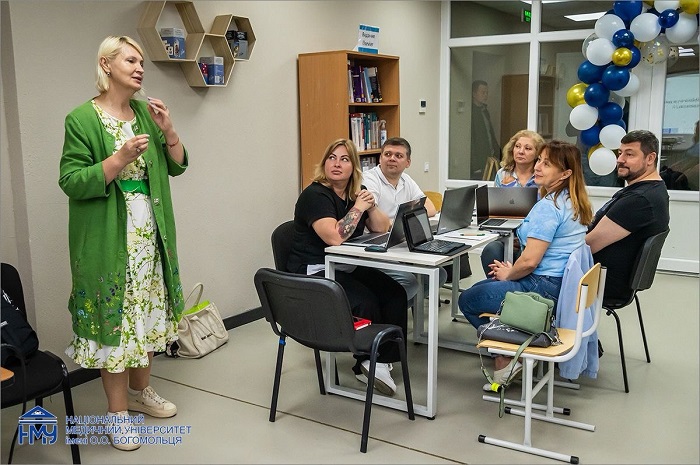
May 14 — Introduction to digital tools for interactive learning and practical applications of Artificial Intelligence (AI) in teaching and medical education.
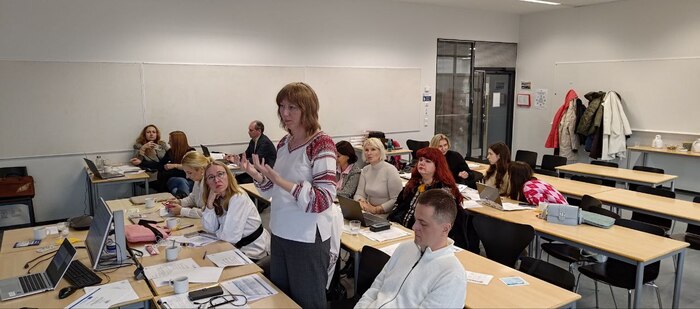
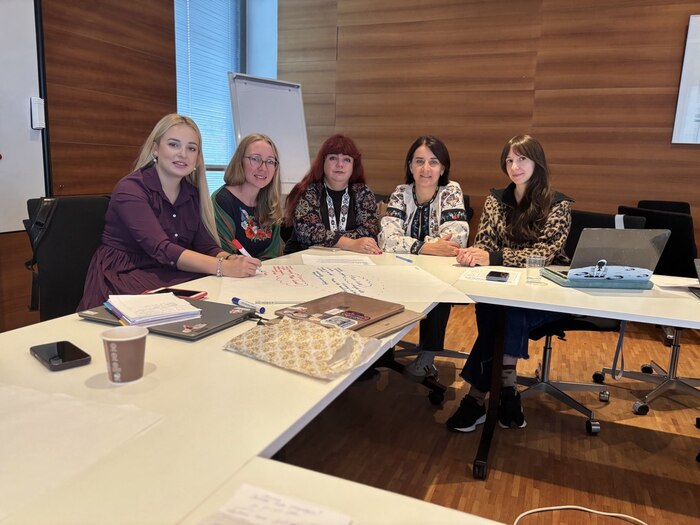
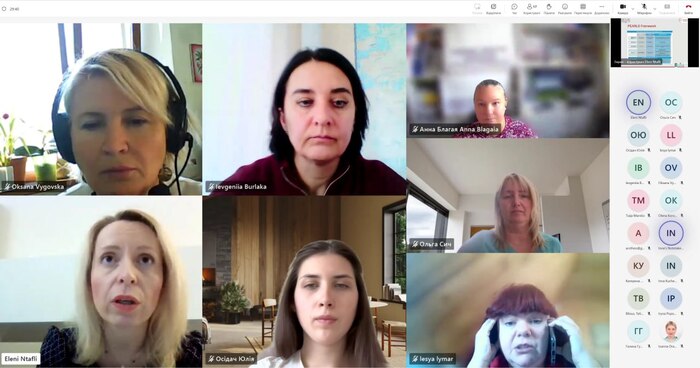
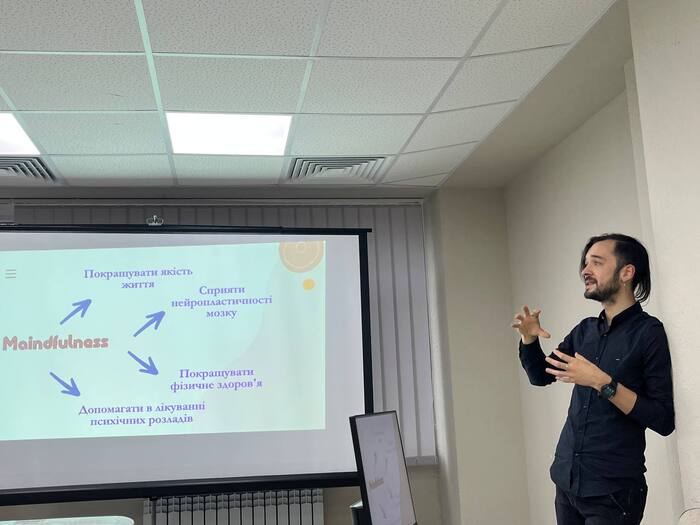
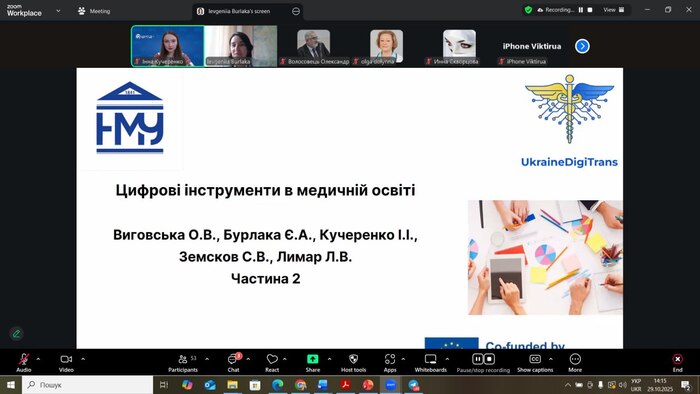
May 15 — A focus on the psychological and social resilience of educators, particularly under martial law, along with the basics of cybersecurity in education.
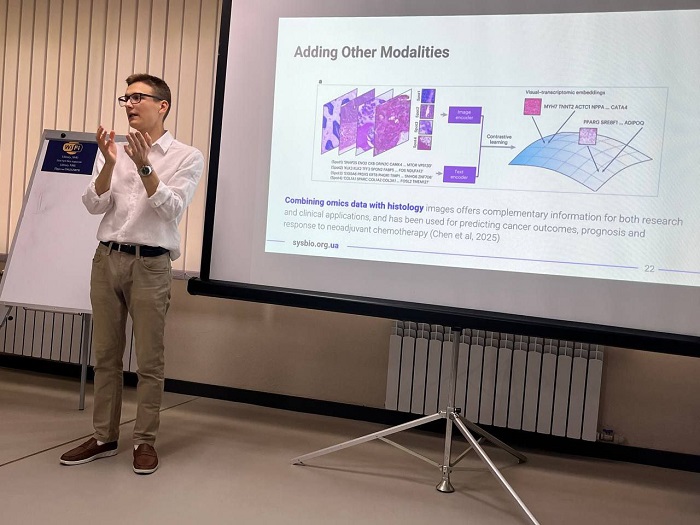
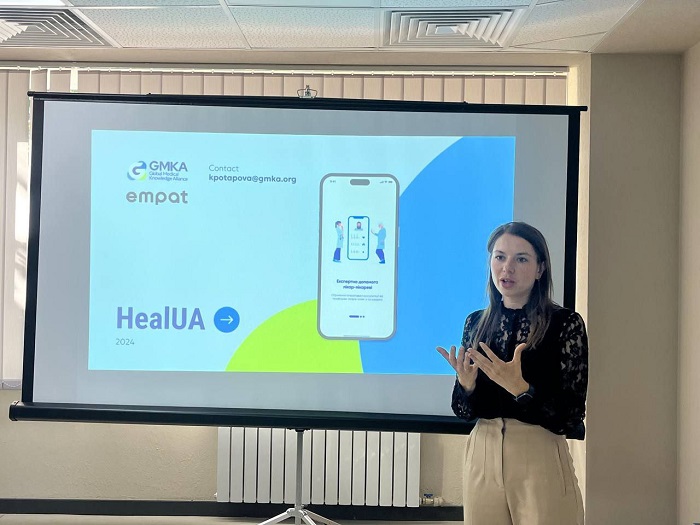
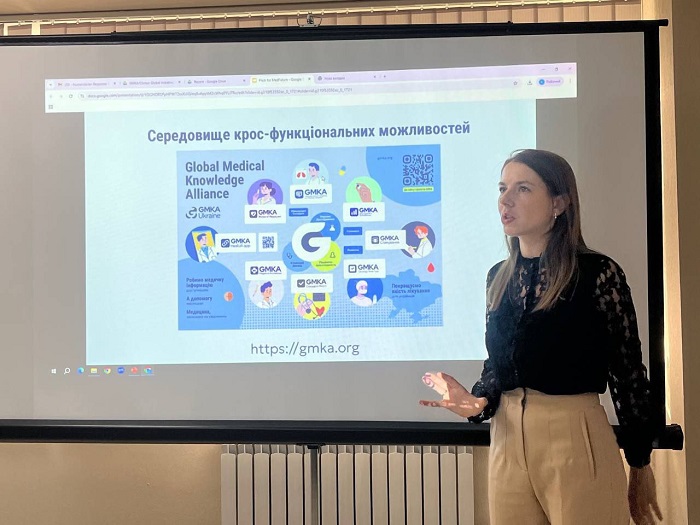
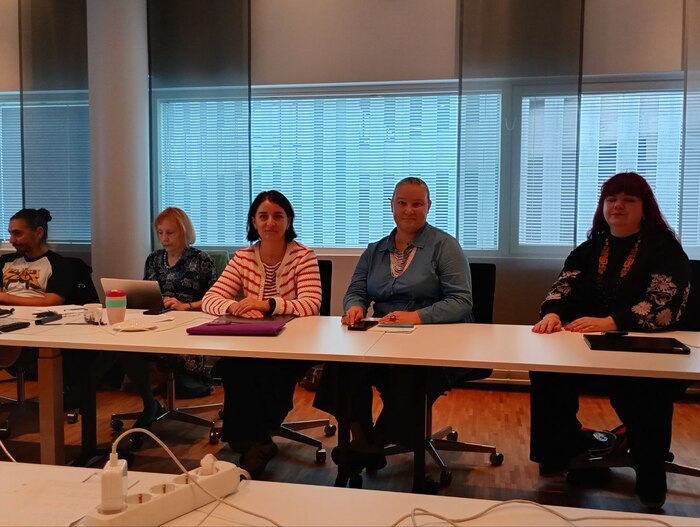
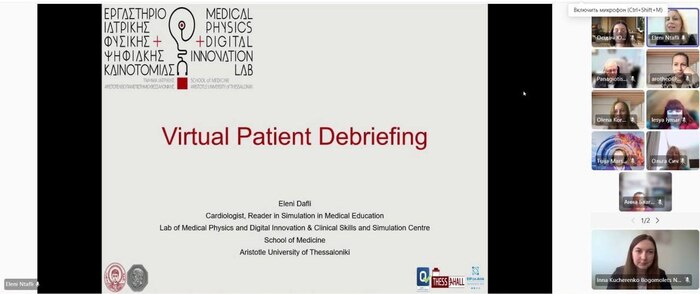
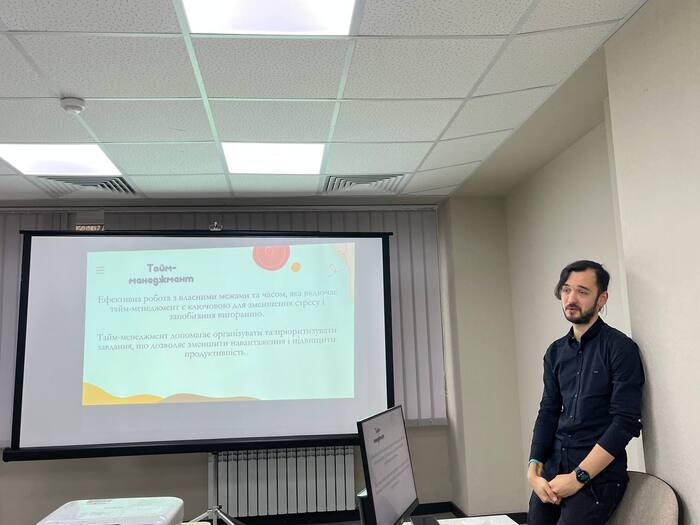
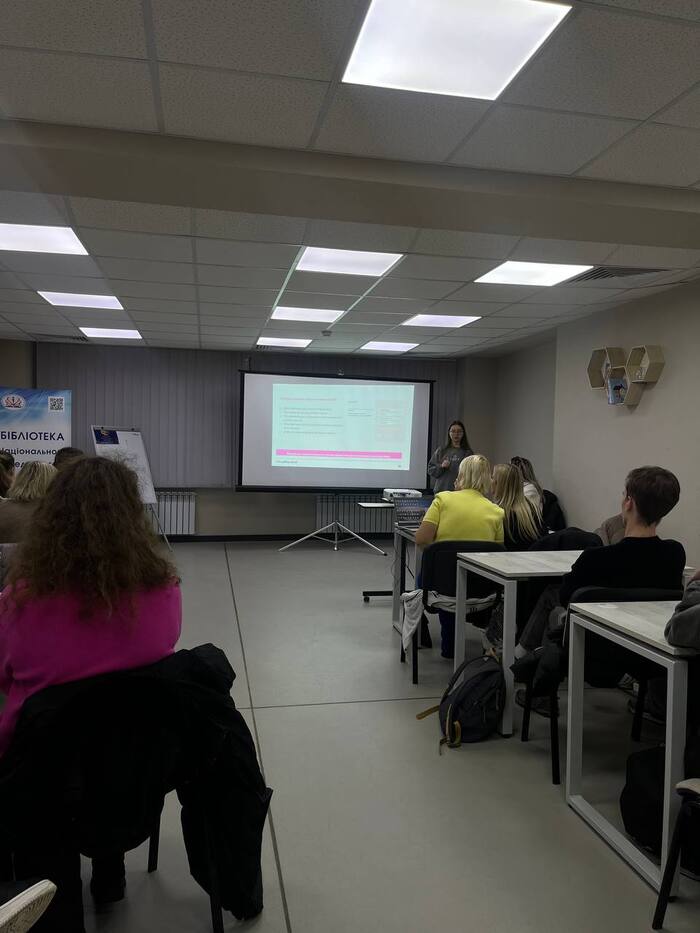
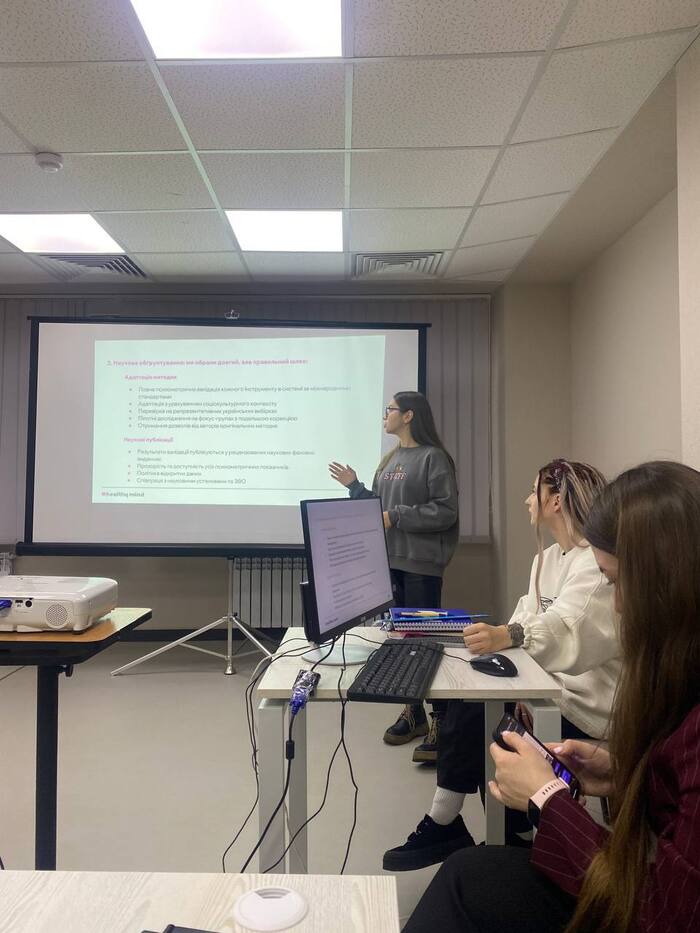
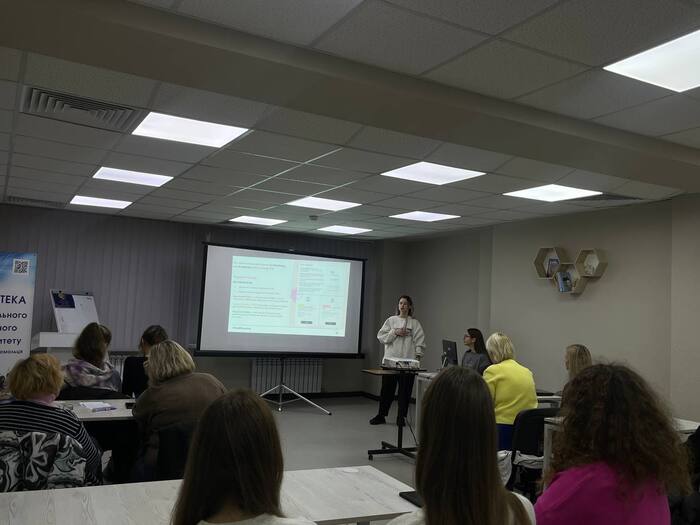
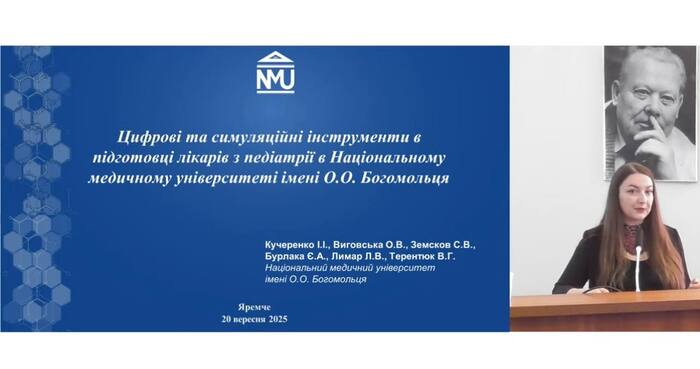
May 16 — The final day will address ethical aspects of medical teaching, the well-being of educators and students, and the development of personal implementation roadmaps for applying new knowledge. The “Peer Trainers” program runs through May 16 and promises a week filled with discoveries, practical tools, and inspiring conversations — all aimed at building a new standard of higher education in Ukraine. New №13 Key findings of UkraineDigiTrans online sessions The Bogomolets National Medical University is pleased to announce the completion of the online training period as part of the UkraineDigiTrans project – ‘Digital Transformation of Medical Education in Ukraine’. Four trainers from our university participated in the project: The trainers are: The first online session took place on 14 April 2025 and was devoted to the presentation of a roadmap for the implementation of artificial intelligence at the home university. The Bogomolets National Medical University has developed a 1 ECTS microcourse, ‘Artificial Intelligence in Medical Education,’ to improve the qualifications of teachers and introduce modern technologies into the educational process. The course is conducted in a mixed format — online and offline in the conference hall of the university library. The course is designed to help teachers understand and effectively apply artificial intelligence in teaching, examines key concepts of AI in medicine and pedagogy, demonstrates practical tools for teaching and assessment, and emphasises the ethical and evidence-based aspects of using AI in educational programmes. Participants are involved in flipped lectures, demonstrations of AI tools, workshops and reflective exercises, which promote innovation and student-centred learning. Upon completion, they will be able to develop training courses with elements of artificial intelligence and support the digital transformation of the university. The second online session took place on 30 April 2025 with a group of medical educators and paediatricians. The topic was developing a lesson plan and teaching strategy for the differential diagnosis of rashes in children using interactive technologies (MIRO, Mentimeter, Padlet). The team from Bogomolets National Medical University presented a clinical case of a child with fever and rash. Through task-based learning, participants identified key steps: differential diagnosis, necessary examinations, and treatment tactics. Together, they created a map in MIRO that simulated real-time decision-making. Mentimeter helped to test understanding, and Padlet helped to share clinical observations. The interactive format stimulated mutual learning, metacognitive awareness, and the implementation of evidence-based medicine. Participants noted a high level of engagement and confidence in a structured approach to diagnosis. The third online session took place on 14 May 2025. During this session, the team presented a project on the development of the psycho-emotional well-being of teachers and students at medical universities. Projects created by university teams on the topics of the first workshop were discussed. Particular attention was paid to the problem of increasing burnout, stress, and emotional exhaustion in educational and clinical settings. The teams shared their assessments of needs and proposed measures: mindfulness training, stress management seminars, improved workload planning, and support for teachers. They discussed integrating the topic of well-being into courses on ethics, professionalism and reflection, as well as modelling healthy practices at the university level. The session included peer review and expert feedback, which facilitated the exchange of experiences between institutions. Trainers emphasised collaboration with students to adapt measures to the context and ensure sustainability. Participants committed to finalising projects for the next workshop at Aristotle University (Thessaloniki, Greece), and some plan to launch pilot initiatives in the near future. It was emphasised that psycho-emotional health is key to quality medical education and student success. Report on the “Peer Trainers” Training May 12–16, 2025 On May 12, 2025, the O.O. Bogomolets National Medical University hosted the commencement of a five-day training program for lecturers, “Peer Trainers”, organized within the framework of the international grant project Ukraine DigiTrans (Digital Transformation for Medical Education in Ukraine). The aim of the program was to enhance the digital and pedagogical skills of university lecturers, implement innovative approaches in the educational process, and develop a team of internal trainers capable of further disseminating modern practices among their colleagues. The training was attended by 34 lecturers from the theoretical and clinical departments of NMU – motivated specialists ready to implement changes in their disciplines. The training was conducted by a team of NMU experts:Oksana Vyhovska, Yevhenia Burlaka, Lesia Lymar, Inna Kucherenko. Each trainer contributed their own experience and knowledge – from modern teaching methods to digital tools, psychological resilience, and ethics – ensuring comprehensive coverage of the program topics. The training program was developed in collaboration with European partners (Laurea UAS, Finland, and Aristotle University of Thessaloniki, Greece), facilitating the integration of international best practices. During the intensive five-day training, participants engaged in an in-depth exploration of several pertinent topics. The program incorporated theoretical sessions, practical workshops, and interactive discussions. Lecturers mastered new pedagogical methods, created their own educational micro-courses, and familiarized themselves with modern digital tools and elements of artificial intelligence in education. Particular attention was paid to issues of psychological resilience and ethics in teaching. The culmination of the training was the development of detailed roadmaps for applying the acquired knowledge in future teaching practices. Day 1. New Approaches to Learning 21st Century Skills and Flipped Classroom Day 1 (May 12) brought together all participants for a deep dive into innovative teaching approaches. At the beginning of the day, trainers O. Vyhovska, L. Lymar, and Ye. Burlaka and I. Kucherenko presented the purpose and structure of the entire training course to outline the expected outcomes. The leading theme of the day was the development of 21st-century skills through a new learning paradigm. During the workshop «Student-Centered Learning Design: Flipped Classroom» trainer L. Lymar introduced Lecturers to modern educational methods and discussed their advantages and potential challenges regarding classroom implementation. Bloom’s taxonomy was considered separately as a tool for formulating clear and effective learning objectives. An important part of the first day was practical work. Participants, working in small groups, developed a fragment of educational content, progressing through all stages of its creation – from the initial concept to the final design of the learning material. This format allowed for the immediate practical application of new approaches. The day concluded with a lively discussion: all participants collectively addressed the challenges and opportunities associated with implementing modern Digital tools in higher medical education. Lecturers shared their experiences using technology in teaching, and the trainers provided commentary and guided the discussion, drawing on global best practices. The first day provided participants with a solid foundation for further learning, established a shared understanding of the project goals, and inspired active engagement in the following days. Day 2. Micro-courses and micro-credentials Day 2 (May 13) was dedicated to curriculum design in the context of digitalization, ranging from large online courses to short micro-learning modules. In the first half of the day, thanks to trainer E. Burlaka, the Participants learned about contemporary approaches to structuring and designing online courses to ensure flexibility and student engagement. The trainers explained in detail how to plan Micro-course content, including defining clear learning objectives and selecting appropriate formats for material presentation and assessment. The second half of the day transitioned into a practical workshop. The Lecturers directly applied the knowledge gained by developing their own educational Micro-courses. Each participant chose a topic from their field of expertise and worked on a short training module related to it. They defined learning outcomes for their Micro-course, selected content and interactive elements, and planned assignments for students. Colleagues gathered in small groups to discuss their work and provide feedback to one another. Participants jointly considered which of the micro-modules they developed could form the basis for new certificate programs at the university. At the end of the day, each participant briefly presented the concept for their micro-course, and the trainers provided valuable advice on improving the structure and ensuring compliance with the design of educational and methodological guidelines. Thus, the second day provided participants with practical experience in course development: the lecturers completed initial drafts of their own online courses, ready for further refinement. Day 3. Digital tools and artificial intelligence in education Day 3 (May 14) was entirely devoted to digital technologies and their application in teaching. Trainer I. Kucherenko introduced participants to a set of modern digital tools for organizing an interactive educational process. Specifically, demonstrations covered the use of online platforms for testing and polling (enabling rapid, real-time student feedback), learning management systems (LMS) for blended courses, and simulation programs modeling clinical cases for medical education. All attendees were able to see these tools in action and ask questions regarding their functionality. A separate session on the third day focused on discussing the potential ofartificial intelligence (AI)in the learning process. Trainer Inna Kucherenko presented real-world examples of how AI is already being utilized in education, ranging from the automated generation of test assignments and personalized learning recommendations for students to virtual assistants capable of answering common student inquiries and AI-based simulators for skill development. The participants were interested in learning about tools such as ChatGPT (for generating educational content and case studies), medical chatbots for training diagnostic skills, and adaptive learning systems that adjust to the student’s knowledge level. The practical component in the computer lab involved lecturers independently testing the proposed digital solutions. Day 4. Psychological resilience of lecturers and the fundamentals of cybersecurity Day 4 (May 15) was dedicated to two crucial aspects of modern education: psychological resilience of educators and cybersecurity. The first half of the day focused on psychological and social support for lecturers, which is particularly important given the increased stress and martial law in Ukraine. Participants openly discussed the professional and personal challenges they face while teaching under the current difficult conditions, including frequent air raid alerts, a forced transition to online learning, and emotional burnout. The trainers shared effective strategies for supporting psychological well-being, focusing on how instructors can care for their own emotional state, prevent burnout, and maintain motivation. Methods of self-regulation of stress were discussed (e.g., breathing techniques, time management with rest breaks) and the importance of peer support. Participants provided examples of how they support each other within their departments, and, together with the trainers, developed new ideas, such as creating small psychological support groups or holding regular meetings to exchange successful pedagogical strategies. This session helped lecturers realize that self-care and team support are integral to the successful implementation of any innovation. The second half of the day was dedicated to the topic of digital security in education. Trainer I. Kucherenko reminded the participants of the basic principles of cyber hygiene and data protection that medical educators must adhere to in their practice. Typical cyber threats that lecturers and students may encounter were examined in detail: phishing emails, malicious links, confidential information leaks, and unauthorized access to learning platform accounts. Using real-world case studies, participants analyzed the consequences of these threats and discussed preventative measures. Participants received practical recommendations on how to ensuresecurity in the digital environment: use strong passwords and two-factor authentication, regularly update software, encrypt sensitive student data, and limit the number of individuals with administrative access to educational resources, among other measures. Day 5. Ethical aspects, well-being, and Roadmaps for implementation Day 5 (May 16) marked the culmination of the Training, combining a discussion of the values inherent in teaching with practical planning for future actions. Attention was given to the ethical aspects of teaching in medicine. Participants, along with trainer O. Vyhovska, examined a number of ethical dilemmas that can arise in the education of future medical professionals. The ethical use of digital technologies and data was discussed separately, including respecting confidentiality when working with students’ real clinical cases, preventing copyright infringement when creating e-courses, and the responsible use of AI tools to complement instructors rather than replace live interaction. This discussion enabled lecturers to recognize the importance of maintaining high ethical standards while implementing innovations. The following modules addressed the welfare of lecturers and students and provided an overview of ABC cards in course design with trainer L. Lymar. The trainer emphasized that successful education is impossible without a healthy psychological climate. Participants discussed the prevention of emotional burnout among faculty and exchanged tips on how to maintain interest and inspiration in their work. ABC cards are a tool for quick and structured training course planning. They help to:clearly define learning objectives (A — Aim/Objective), plan content and activities (B — Body/Content), and predict results and assessments (C — Conclusion/Assessment). This method stimulates creativity, ensures a balance between theory and practice, and makes the course development process more interactive and student-centered. The creation of a friendly and supportive environment for students was also discussed, including how to recognize signs of stress in medical students and help them manage their academic workload. As a result of this session, the lecturers reached a consensus that prioritizing the well-being of all participants in the educational process is essential for quality education. The main event of the fifth day was the development of individual roadmaps for implementing the acquired knowledge. Each training participant was tasked with preparing a detailed plan outlining how they would apply new approaches and tools in their work upon returning. Lecturers independently outlined specific steps and initiatives, including which micro-courses they planned to launch and for which disciplines, which digital tools they would integrate into existing classes, and what changes they would make to their syllabi and methodological materials. Following the training, all participants took turns presenting their roadmaps to the group. This activity served as a concluding highlight of the training: lecturers not only articulated their own plans, but also received valuable feedback. The training concluded with a brief feedback session and evaluation. Participants completed anonymous questionnaires and shared verbal feedback regarding the training. The majority highlighted the trainers’ high level of professionalism and the practical value of the knowledge acquired. The Lecturers emphasized that the training was highly relevant and inspiring, as they could immediately see how to apply the new tools in their work. All Participants who attended the Classes and completed the assignments received certificates of participation in the Peer Trainers Training. The five-day Peer Trainers training marked a significant milestone in the development of digital competencies among NMU lecturers. Throughout the program, participants not only acquired new knowledge but also developed concrete products and plans aimed at enhancing the educational process. New №14 Staff of Bogomolets National Medical University Took Part in an International Training on Innovative Medical Education From June 2 to 6, 2025, representatives of Bogomolets National Medical University participated in the training “Sustainable Medical Education Methods and Tools,” held at the Medical School of Aristotle University in Thessaloniki, Greece. The event was organized within the framework of the international project UkraineDigiTrans, aimed at supporting the digital transformation of medical education in Ukraine. The participants from BNMU were: The program covered key areas of digital transformation in education: All participants had the opportunity to complete practical tasks in interactive workshops (creating interactive clinical scenarios using ChatGPT, simulating virtual patients using OpenLabyrinth and mobile apps), discuss educational challenges with international colleagues, and develop their own educational products that can soon be implemented in the teaching process at Bogomolets National Medical University. During the training, participants also created and discussed a roadmap for the implementation of the acquired competencies. This experience will contribute to improving the quality of medical education and aligning it with modern digital standards and students’ expectations. Special attention was paid to overcoming resistance to change among educators, motivating students, and addressing legal aspects such as personal data protection (GDPR) and copyright in digital learning content. During the training, Vadym Terentyuk, a trainer from the National Medical University named after O.O. Bohomolets, delivered a lecture on еHealth and telemedicine in Ukraine. In his presentation, he focused on the current state of digitalization in the healthcare system of Ukraine, particularly on the development of telemedicine services, which have become especially relevant during the state of war and the COVID-19 pandemic. The possibilities of integrating еHealth into medical practice were discussed, along with examples of successful cases and the regulatory framework governing the implementation of telemedicine. Special attention was given to the challenges faced by Ukrainian medical institutions during the introduction of telemedicine solutions, as well as the prospects for the development of еHealth in the post-war period. Participants had the opportunity to ask questions, share their own experiences, and discuss potential areas of cooperation regarding the implementation of telemedical technologies in both the educational process and clinical practice. As part of the training, a meeting was also held with Mr. Yevhen Shkvyra, Consul of Ukraine in the Greece Republic, who expressed support for Ukraine’s educational initiatives and emphasized the importance of international cooperation during wartime. The participants discussed the role of Ukrainian medical education in the European space and prospects for integrating Ukrainian higher medical schools into global educational processes. On the final day of the training, strategic planning sessions were held to prepare localized trainings for colleagues at Ukrainian medical universities and to develop a roadmap for further steps within the UkraineDigiTrans project. Participation in this event will contribute to improving the quality of medical education in Ukraine through the integration of modern digital technologies and pedagogical innovations. New №16 Development of Digital Competences among University Faculty: Launch of the Erasmus+ KA2 UkraineDigiTrans Training Series The Bogomolets National Medical University is pleased to announce the launch of a series of training sessions for academic staff within the framework of the Erasmus+ KA2 UkraineDigiTrans project. The first session, held on 20 June, marked the beginning of the «Peer Training» cycle aimed at enhancing the digital competences of university educators. The training team includes Dr. Oksana Vyhovska, MD, Dean of the Faculty of Medicine №. 3, Professor of the Department of Pediatric Infectious Diseases; Prof. Yevheniia Burlaka, MD, Professor of the Department of Pediatrics No. 4; Assoc. Prof. Inna Kucherenko, PhD in Physics and Mathematics, Head of the Department of Academic and Methodological Work, Licensing and Accreditation, Associate Professor of the Department of Medical and Biological Physics and Informatics; Assoc. Prof. Lesia Lymar, Doctor of Pedagogical Sciences, Director of the Center for Continuing Professional Education; and Assoc. Prof. Vadym Terentiuk, PhD in Medicine, Associate Professor of the Department of Health Management, Head of the Department for eHealth Development at the State Enterprise «Electronic Health». The first training session opened with a welcoming address from Prof. Oksana Vyhovska, NMU project coordinator, who emphasized the importance of integrating digital technologies into the educational process and developing digital competences among educators to meet the current challenges of medical education. She also highlighted the role of the Erasmus+ KA2 UkraineDigiTrans project in supporting innovation at the University and noted the value of the “Peer Training” format as an effective tool for professional development within the academic community. During the training, Prof. Yevheniia Burlaka introduced participants to the practical application of Bloom’s Taxonomy in educational design, particularly in the creation of clinical learning scenarios. Special attention was paid to the innovative DISCERN-DSS digital platform, which enables educators to develop interactive learning materials based on real clinical cases. Participants had the opportunity to work through the stages of scenario development — from defining learning objectives to testing and implementation — while taking into account cognitive psychology principles and individual learning styles. This approach promotes critical thinking, enhances motivation, and improves the quality of medical education. The training also covered the use of artificial intelligence tools, including GPT-based systems, in creating clinical learning scenarios. Participants learned how to generate and adapt AI-assisted content for specific clinical contexts, target audiences, and learning protocols. The session emphasized that GPT serves not as a replacement for educators but as a powerful instrument that supports and enriches the teaching process. An additional module of the training focused on digital presentation design skills. Participants explored online tools and templates for creating visually appealing and pedagogically effective presentations. The session included guidance on structuring slides, visualizing data, integrating multimedia, and applying design principles to enhance learner engagement and comprehension. For practical reinforcement, participants were given a home assignment to create a micro-course and two clinical scenarios — one in simple HTML format and another featuring interactive elements. Overall, the training combined modern pedagogical approaches, digital tools, and hands-on practice. Participants deepened their understanding of Bloom’s Taxonomy and AI-based learning design while mastering new tools for creating micro-courses, interactive content, and educational presentations. The session contributed significantly to strengthening digital literacy and improving the quality of medical education amid ongoing digital transformation. The second training session, held on 24 June, focused on digital transformation in healthcare and the integration of advanced technologies into medical education. The event began with a presentation by Assoc. Prof. Lesia Lymar on «Overcoming Resistance to Change among Educators» she discussed the psychological aspects of implementing innovations, strategies for effective communication, and motivation techniques for academic staff during educational reforms. Assoc. Prof. Vadym Terentiuk delivered a series of lectures on digitalization in healthcare, including «Global Digital Transformation in Health», which outlined current trends and the impact of digital technologies on healthcare quality, and «The Electronic Health System in Ukraine», which covered practical aspects of the implementation of the national eHealth system, its structure, functionality, and contribution to improving healthcare efficiency. A comprehensive lecture on Telemedicine followed, providing participants with practical examples of remote medical consultation, legal considerations, and the future prospects of telehealth in Ukraine.
The day concluded with a seminar led by Assoc. Prof. Vadym Terentiuk, during which participants consolidated their knowledge, discussed real-life implementation cases, and exchanged experiences. The first two training sessions took place in a highly productive atmosphere, fostering open dialogue, practical engagement, and professional exchange between speakers and participants. #UkraineDigiTrans New №17 A SERIES OF TRAININGS FOR TEACHERS “SUSTAINABLE MEDICAL EDUCATION: METHODS AND TOOLS” IS A STEP TOWARDS THE MODERNIZATION OF THE EDUCATIONAL PROCESS In June and September-October 2025, the O.O. Bogomolets National Medical University hosted a training for teachers “Sustainable Medical Education: Methods and Tools” within the framework of the Erasmus+ KA2 UkraineDigiTrans grant project “Digital Transformation of Medical Education in Ukraine”. The aim of the series of trainings was to improve the professional competencies of scientific and pedagogical workers, develop digital literacy, master modern pedagogical approaches and introduce innovative methods into the educational process. The participants of the program worked in the formats of micro-lectures, interactive seminars, workshops, panel discussions and practical sessions aimed at developing the creative potential of the teacher and acquiring digital tools for their use in the educational process. The training cycle covered eight training days, which took place in June, September and early October 2025. The focus is on the formation of a modern vision of teaching medical disciplines using digital technologies, interactive teaching methods and artificial intelligence tools. Among the key topics of the trainings: Experienced teachers and trainers of the university joined the implementation of the program: Yevheniya Burlaka, Inna Kucherenko, Lesya Lymar, Oksana Vygovska, Vadym Terentyuk. Each of them presented their own developments and innovative solutions for implementation in the educational process. Yevheniya Burlaka conducted a series of practical seminars and workshops dedicated to the use of ChatGPT in creating clinical scenarios, digital life hacks in the design of educational materials and online pedagogy of simulations. As part of the training on September 23 and 25 on online pedagogy, led by Yevheniya Burlaka, participants had the opportunity to delve into key aspects of designing and implementing modern digital courses. The event covered a wide range of topics – from the design of microcourses to the use of virtual patients in simulation training. Special attention was paid to learning design – a structured approach to creating educational content that takes into account goals, activities, assessment tools and feedback. Participants were introduced to the principles of effective online course design, including massive open online courses (MOOCs) and short microcourses. Examples of adapting educational content to different formats and platforms were considered. The practical part of the training focused on scenario-based learning, which allows creating realistic learning situations for the development of critical thinking and decision-making. In the workshop, participants independently modeled educational scenarios using storytelling and interactivity elements. Another important topic was online simulation pedagogy, including the use of the OpenLabyrinth and Virtual Patients (VP) platforms. Participants learned how to create clinical scenarios using the Geeky Medics application, which simulate real-life situations in the healthcare sector. The demonstration of the mobile application “Virtual Patients” aroused lively interest – participants tested the simulation tool, discussed the possibilities of its integration into the educational process and shared ideas for further use. At the end of the training, a short reflection session was held, during which participants discussed the acquired knowledge and practical skills. The value of interactive formats and simulations as innovative approaches in professional education, in particular in the medical and technical fields, was emphasized. The training provided not only a theoretical basis, but also practical tools that each participant can use to improve their own learning environment. Vadym Terentiuk presented trainings on telemedicine, digital healthcare technologies and the national electronic eHealth system, emphasizing the importance of their integration into the training of future doctors. Lesya Lymar focused on the psychological aspects of overcoming resistance to change among teachers and developing adaptive thinking in a professional environment. During these events, she shared her own experience and modern approaches to teaching, focusing on the practical use of assessment models, in particular the “traffic light” model, the introduction of artificial intelligence elements into the educational process, as well as student-centered learning in the “flipped classroom” format. Participants discussed ethical challenges in teaching clinical disciplines, as well as the issue of the well-being of students and teachers in wartime. Inna Kucherenko presented a series of trainings, together with invited speakers, dedicated to the use of artificial intelligence and VR and XR technologies in medical education. Thus, the topic of September 16 was dedicated to the topic of sustainable medical education and modern methods and tools for its development. The main goal of the presentation is to demonstrate how modern digital technologies, Artificial Intelligence (AI) and augmented reality (XR) are transforming medical education, making it more interactive, effective and closer to real clinical practice. The role of innovations and startups in the development of the Ukrainian healthcare system was also emphasized. The speech emphasized how technologies such as AI are used for adaptive learning, virtual simulations, data analysis and image recognition, significantly improving student training. The main focus was on XR, including VR, AR and MR, as a tool for creating an interactive educational environment that allows future doctors to practice practical skills in a safe environment without risk to patients. In addition to the theoretical overview, the presentation included practical aspects, such as an overview of available free and partially free XR resources for studying anatomy (e.g. Visible Body, BioDigital Human), as well as a detailed practical block on the methodology for creating clinical cases for simulation training. Finally, innovations in Ukrainian medicine were highlighted, including the Generation H 2.0 initiative and domestic startups that develop AI solutions and digital healthtech products in the context of Ukraine ReHealth 2025 (in particular, the HealUA mobile application). In addition, the methodology for creating a clinical case for simulation training was described in detail, covering all stages: from choosing a topic and describing a patient to evaluation criteria and debriefing. Inna Kucherenko also emphasized the importance of combining traditional forms of learning with innovative digital solutions that help improve the quality of education and the level of training of students. In addition, the digital compass model was discussed with the course participants. Oksana Vygovska devoted her training block to the issues of modernization of medical education in the context of the CAREUP project, where she paid special attention to the formation of a teacher’s digital culture. In her speeches, she emphasized the importance of developing effective communication, motivating students, and increasing their involvement in the educational process. During the interactive workshop “ABC Learning Design cards in designing educational courses”, participants practically practiced the methodology for building educational courses based on the principles of active learning, combining academic goals and practical activities of students. The final stage of her sessions was the development of a “Roadmap” for the development of their own teaching competencies and digital approaches to learning. Each training day ended with a reflection session, during which the teachers shared their own observations, formulated practical conclusions and suggested ways to apply the acquired knowledge in academic disciplines. The participants created their own clinical scenarios, microcourses, pedagogical maps, mastered digital platforms and methods of working with students in an interactive format. “This program has become an important step in the consistent implementation of modern digital technologies in medical education. We strive for NMU teachers not only to own the tools, but also to creatively apply them in the educational process,” said Oksana Vygovska, program coordinator. The organizers emphasized that the trainings “Sustainable Medical Education: Methods and Tools” have become not only a platform for professional training, but also a center for the development of the university’s innovative educational community. A feature of the training cycle was the invited speakers who joined the training on 16.09. 2025. Ketyrina Potapova, Director of Development and Partnerships of GMKA, PHD, Assistant Professor of the Department of Neurology of the O.O. Bogomolets National Medical University, spoke about the work of their team – the HealUA mobile application. So, HealUA is a mobile application created by the Global Medical Knowledge Alliance (GMKA) to provide medical professionals in Ukraine, especially in remote or war-affected areas, with critically needed access to expert knowledge. The main advantage is to overcome the isolation of clinicians and fill the shortage of narrow-profile specialists. The application allows you to quickly initiate secure peer-to-peer consultations with colleagues in Ukraine, and also connects them with global medical experts. Thanks to automatic translation, language barriers are eliminated, making global knowledge accessible in a matter of minutes. The project directly aims to save lives and improve patient outcomes by providing rapid, evidence-based recommendations. This is especially important in the context of increasingly complex clinical cases such as polytrauma, advanced cancer, and drug-resistant infections. Thanks to expert moderation and aspiration with ≥95% of recommendations that are consistent with clinical guidelines, HealUA guarantees high quality of consultations received. Speed is a key advantage, with the aim of achieving a median time to a validated response of less than 240 minutes. HealUA replaces informal and unsecured knowledge exchange (e.g. in messenger chats) with a secure, structured and searchable platform. A high level of quality and security is ensured, including user verification, anonymization of clinical cases and secure storage of records. In addition, the project plans to integrate artificial intelligence tools to instantly provide concise, evidence-based answers, while each AI draft will be subject to review by a human moderator, ensuring the reliability of the information. In the long term, the application contributes to building the capacity of the medical community through continuous knowledge exchange. The pilot project has already involved 4,500 doctors from 40 different specialties and demonstrated a 98% response rate to clinical cases. The goal is to scale access to 12,000 verified Ukrainian doctors. This creates a powerful, ever-growing knowledge network that supports the resilience of the healthcare system. Dmytro Horysavets, a postgraduate student at the Institute of Molecular Biology and Genetics, shared his experience in analyzing histological images using AI, in particular, a sequential overview of the application of advanced computational methods in medicine is presented, starting with an introduction to digital pathology and medical imaging data. It covers the basic approaches of computer vision, focuses on a specific technique – tissue segmentation based on fastLBP, expands to the concept of multi-modal learning and ends with an ambitious goal – establishing a connection between tissue morphology visible in images and gene expression. Holding such events is part of the policy of continuous professional development of teachers of the Bogomolets National Medical University and corresponds to the university’s strategic course on the integration of innovations, digital technologies and principles of sustainable development into the educational process. #UkraineDigiTrans New №18 PARTICIPANTS OF BOGOMOLETS NMU TRAINING SESSIONS DEVELOPED THEIR OWN MICRO-COURSE MANUSCRIPTS As part of the Erasmus+ KA2 UkraineDigiTrans project, aimed at implementing digital solutions in the field of medical education in Ukraine, a series of training sessions for university faculty members is ongoing at Bogomolets National Medical University. The trainers were: Oksana Vygovska, MD, Dean of the Medical Faculty №3, Professor of the Department of Pediatric Infectious Diseases; Ievgeniia Burlaka, MD, Professor of the Department of Pediatrics №4; Inna Kucherenko, PhD in Physics and Mathematics, Associate Professor, Head of the Department of Educational and Methodological Work, Licensing and Accreditation, Associate Professor of the Department of Medical and Biological Physics and Informatics, Associate Professor of the Department of Medical and Biological Physics and Informatics; Lymar Lesia, Doctor of Pedagogics, Associate Professor, Director of Academic Continuous Education Center; Vadym Terentyuk, PhD in Medicine, Associate Professor of the Department of Healthcare Management, Head of the Department for the Development of Electronic Health Care of the State Enterprise “Electronic Health” Faculty teachers have already completed the second set of training modules dedicated to mastering modern educational technologies and methods of digital course design. The program introduced innovative approaches to structuring educational materials, integrating digital tools into teaching practice, and developing micro-courses tailored to student needs. In developing the micro-courses, participants actively used modern digital technologies, including artificial intelligence tools, virtual patient applications, virtual scenarios in HTML format and other innovative solutions. A key component of the training was the homework assignment: participants prepared their own micro-course manuscripts, applying the technologies and methods acquired during the sessions. This not only reinforced the knowledge gained but also demonstrated practical skills in applying new methodologies in real educational settings. The micro-course topics covered a broad spectrum of medical education areas, including: The manuscripts developed by the participants mark an important first step in introducing digital innovations into the teaching practices of NMU departments. They reflect the individual approaches of faculty members to designing educational content and highlight the readiness of the academic community to embrace modern trends in digital transformation of education. Thus, the second set of training sessions demonstrated the high level of motivation and engagement of NMU faculty. The results achieved will contribute to further development of digital pedagogy competencies and strengthen the university’s potential in creating high-quality educational resources for students. #UkraineDigiTrans Розрозбка Мікрокурсу Кириця Н.С. Розрозбка Мікрокурсу Кривонос Ю.М. New №19 SPECIALISTS OF BOGOMOLETS NATIONAL MEDICAL UNIVERSITY TOOK PART IN A WORKING MEETING ON EFFECTIVE COMMUNICATION AND DISSEMINATION OF THE ERASMUS+ KA2 UKRAINEDIGITRANS PROJECT RESULTS Within the framework of the Erasmus+ KA2 UkraineDigiTrans grant project, aimed at introducing digital solutions in the field of medical education in Ukraine, another working meeting of partner universities took place. The meeting brought together representatives of higher education institutions to discuss key tasks and the outcomes of the project’s implementation. On behalf of Bogomolets National Medical University, the meeting was attended by Professor of the Department of Pediatrics No. 4, Ievgeniia Burlaka, and Associate Professor of the Department of Organization and Economics of Pharmacy, Director of the Center for International Academic Mobility and Grant Projects, Ivanna Sakhanda-Piddyacha. The central theme of the meeting was the elaboration of Work Package 4 (WP4), dedicated to the dissemination of project results. This direction is of great importance for ensuring the wide spread of UkraineDigiTrans achievements among the academic community, educational and medical institutions, governmental bodies, and the public. Participants carefully examined issues of strategic planning of information activities and communication approaches. In particular, the discussion focused on:
• communication channels that would effectively deliver information to target audiences;
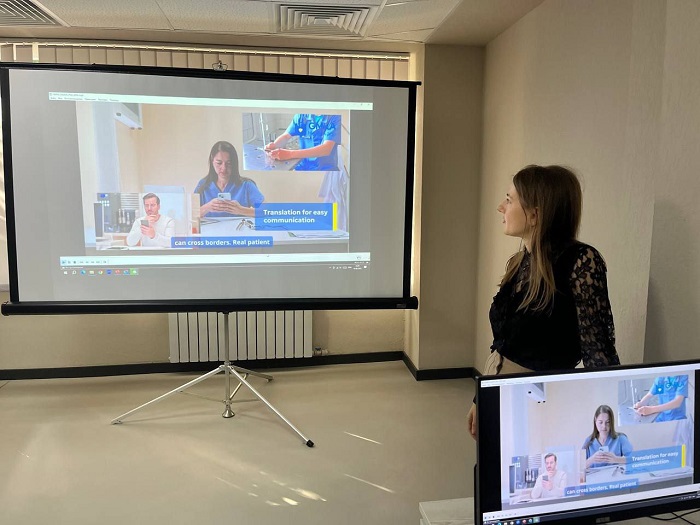
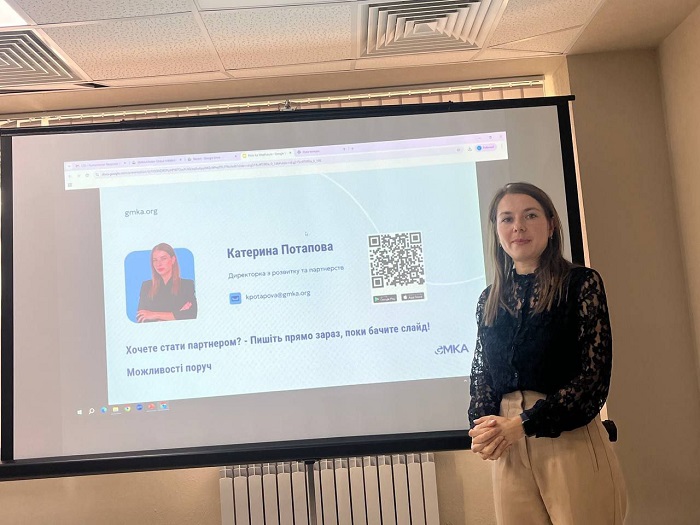
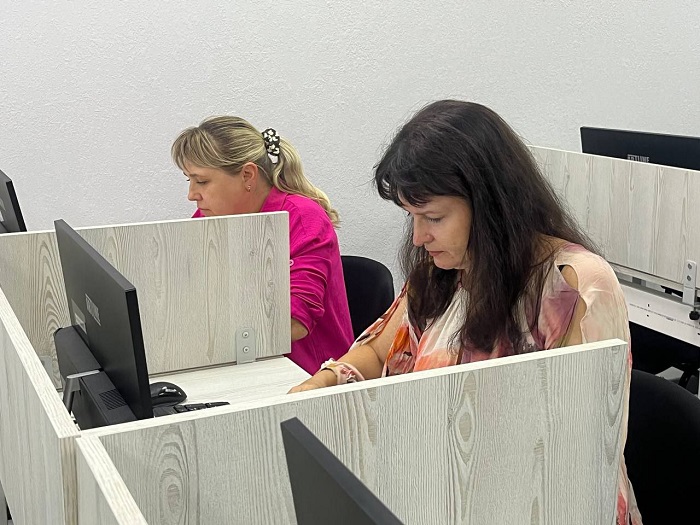
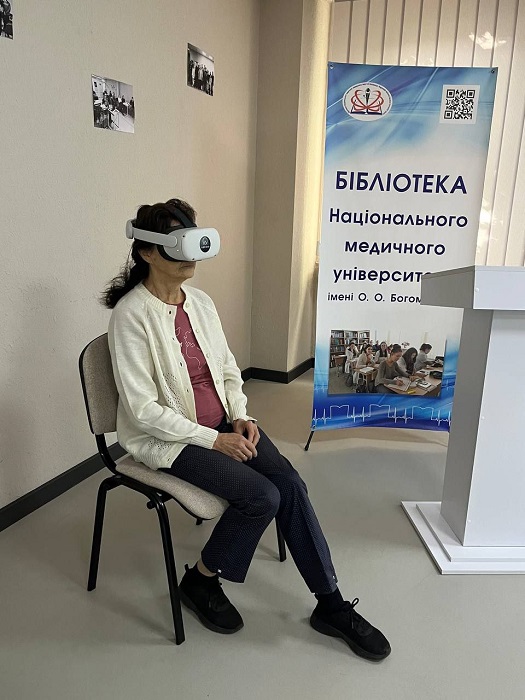
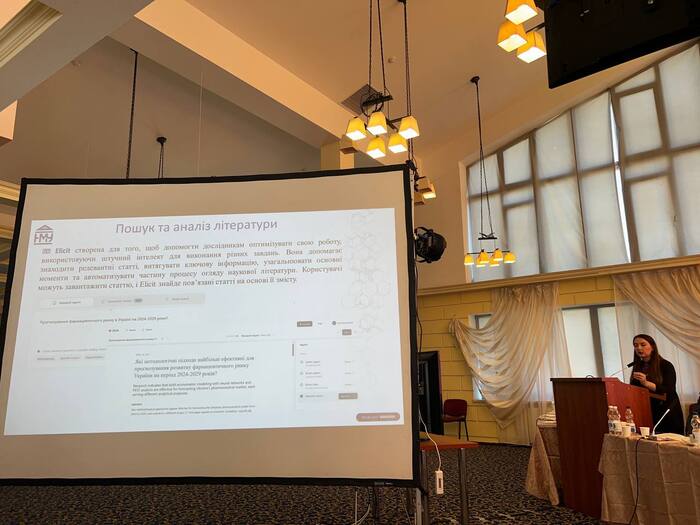
• opportunities to use social media, university websites, and the project website for dissemination;
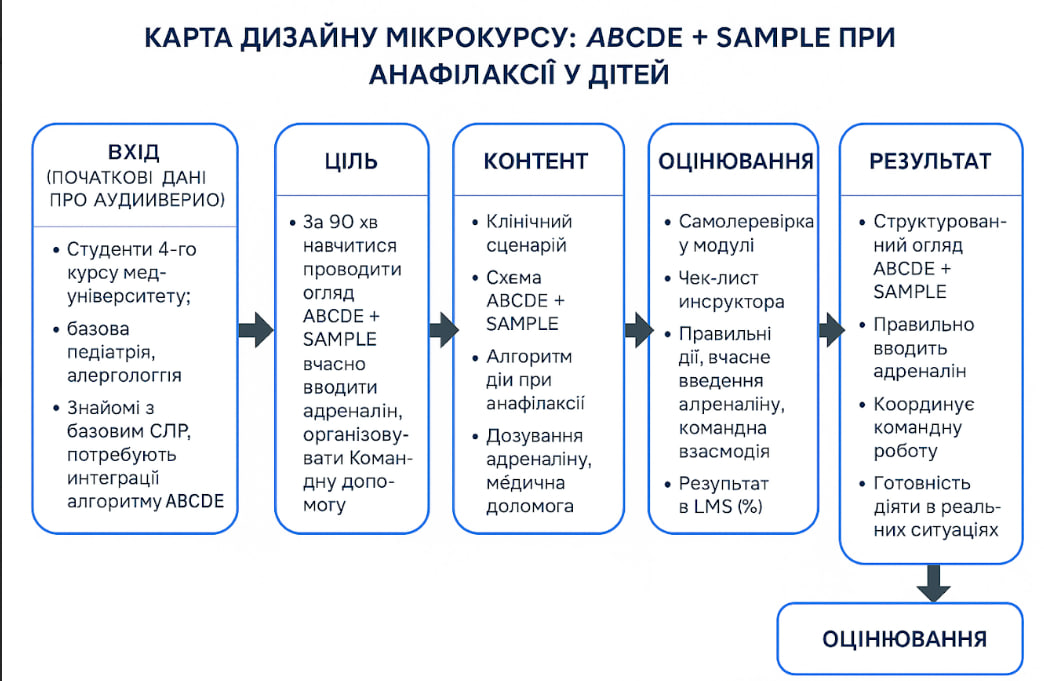
• preparation of informational materials, publications, and presentations;
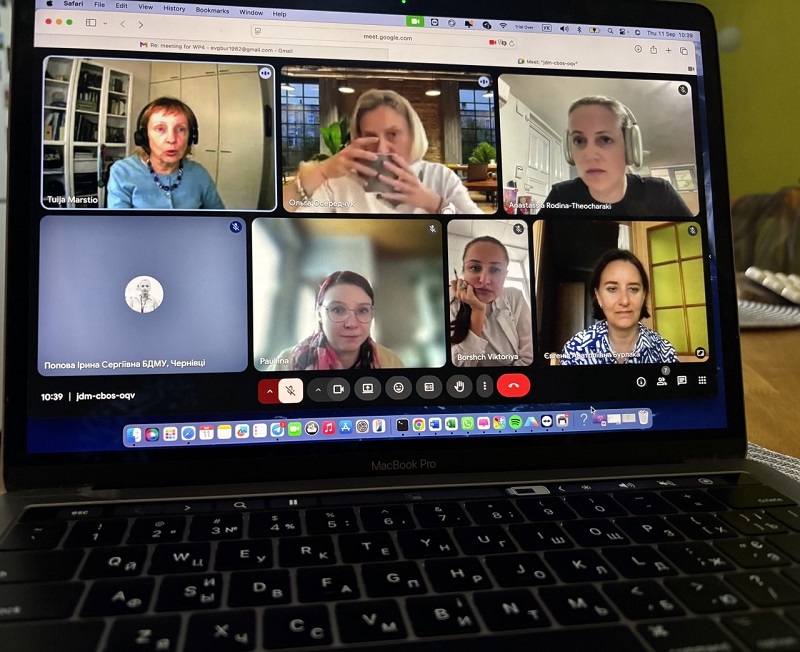
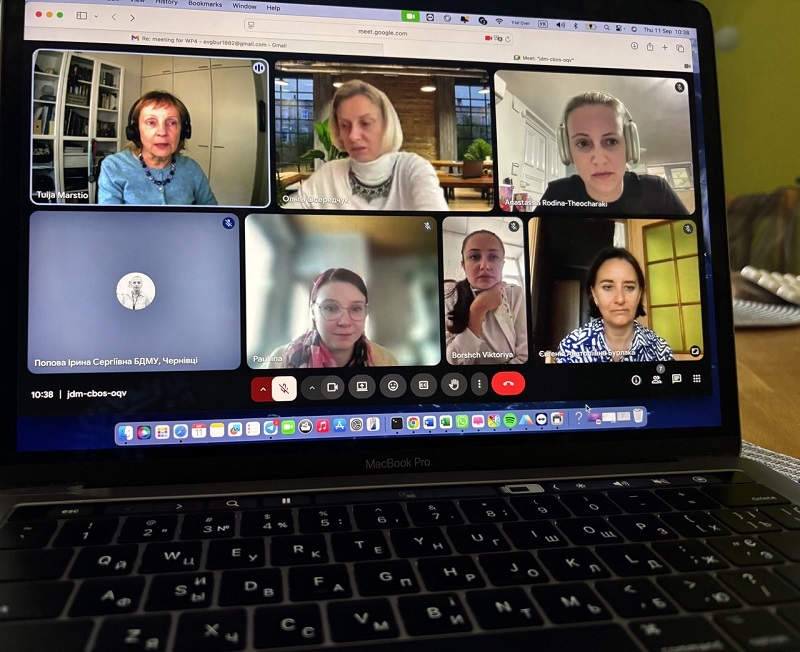
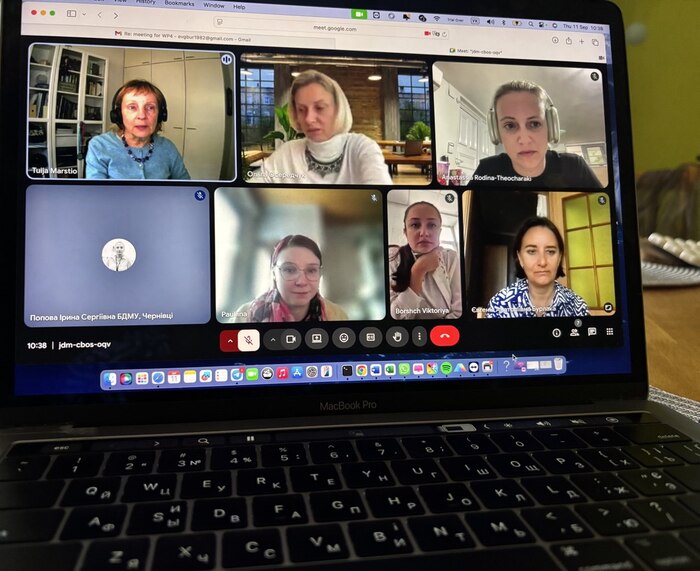
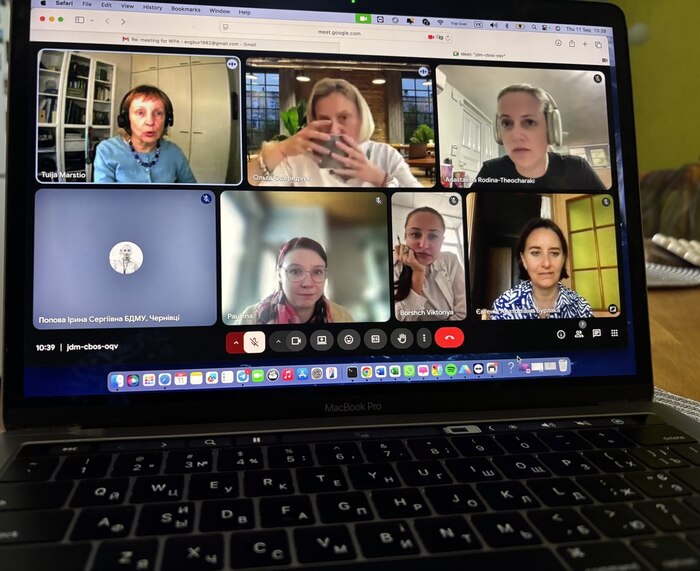
• organization of thematic conferences, seminars, and workshops for experience sharing. Special attention was given to the importance of creating a unified information space where partners can combine their efforts and ensure the sustainability of results even after the end of grant support. The meeting demonstrated a high level of interest from partners in achieving common goals and contributed to consolidating efforts toward the effective implementation of WP4. The developed proposals and agreements will form the basis for further steps in communication and dissemination of UkraineDigiTrans results both in Ukraine and internationally. #UkraineDigiTrans New №20 BOGOMOLETS NATIONAL MEDICAL UNIVERSITY EDUCATORS DEVELOPED THEIR OWN MICROCOURSE MANUSCRIPTS WITHIN THE FRAMEWORK OF THE ERASMUS+ UKRAINEDIGITRANS PROJECT Within the framework of the Erasmus+ KA2 UkraineDigiTrans initiative, aimed at the digital transformation of medical education in Ukraine, a series of training sessions for educators is currently taking place at Bogomolets National Medical University. The events are organized as part of the international UkraineDigiTrans project, which aims to implement modern digital solutions in the medical education system.
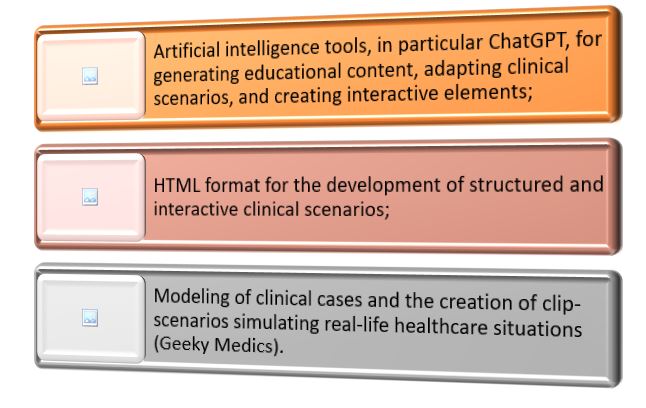
The trainers included: Faculty members completed the second stage of the training program, which focused on mastering modern educational technologies and the principles of digital learning design. Participants were introduced to innovative methods of structuring educational content, integrating digital tools into teaching activities, and creating microcourses tailored to student needs. During the development of the manuscripts, a wide range of digital technologies was applied, including: The practical component of the training was focused on scenario-based learning, which allows the creation of realistic educational situations aimed at developing clinical thinking and decision-making skills. During the workshops, participants independently designed educational scenarios, applying elements of storytelling and interactivity. Another important topic was online simulation pedagogy. Educators mastered the use of the Virtual Patients (VP) platform, which enables the development of clinical scenarios closely resembling real medical practice. They were also introduced to the Geeky Medics application, which allows for quick modeling of clinical situations. Participants tested the simulation tools, discussed the possibilities of integrating them into the educational process, and shared their own ideas for further use. Educators developed their own microcourse manuscripts, applying the acquired knowledge and technologies in practice. This not only consolidated their newly gained skills but also demonstrated their readiness to implement digital solutions in real educational settings. The topics of the developed microcourses covered a wide range of areas in medical education, including: The creation of these manuscripts represents the first step toward the systematic integration of digital innovations into the educational activities of university departments. They reflect the individual approaches of educators to content development and demonstrate the university community’s readiness to actively participate in the digital transformation of education. The results indicate high motivation and professional engagement of the teaching staff and will contribute to the further development of their digital competencies. This, in turn, will strengthen the university’s capacity to create high-quality educational resources for learners. #UkraineDigiTrans Мінікурс: ДИФЕРЕНЦІЙНА ДІАГНОСТИКА ІНФЕКЦІЙНИХ ДІАРЕЙ У ДИТЯЧОМУ ВІЦІ New №21 INNOVATIONS AND DIGITAL APPROACHES IN MEDICAL EDUCATION: PARTICIPATION OF NMU REPRESENTATIVES IN AN INTERNATIONAL TRAINING From October 6 to 10, 2025, representatives of our university participated in an international training within the framework of the UkraineDigiTrans project, held at Laurea University of Applied Sciences (Vantaa, Finland). The delegation included Oksana Vygovska, MD, Dean of the Medical Faculty №3, Professor of the Department of Pediatric Infectious Diseases; Ievgeniia Burlaka, MD, Professor of the Department of Pediatrics №4; Lesia Lymar, Doctor of Pedagogics, Associate Professor, Director of Academic Continuous Education Center; and Anna Blahaya, PhD in Medicine, Associate Professor of the Department of Hygiene and Ecology. During five intensive days, participants had the opportunity to delve into modern approaches to digital transformation in education, master new pedagogical tools, and exchange experiences with colleagues from other countries. At the introductory stage of the program, participants learned about the Finnish experience of digitalizing medical education, particularly the MEDigi project, as well as the Laurea Learning Design (LD) model. The training demonstrated how Finland systematically implements digital innovations in the educational process. Discussions on faculty wellbeing emphasized the importance of supporting educators during periods of educational transformation. The next phase of the training focused on practical skills: a pedagogical media workshop allowed participants to analyze scenarios, create, and edit educational video materials. Hands-on experience with technical equipment and digital tools provided a valuable example of how similar approaches can be implemented in Ukrainian universities. Another segment of the program was dedicated to scenario-based learning—education through practical clinical scenarios. The presentation of the VHealthLab project showed how digital solutions help simulate realistic clinical situations to develop professional skills. The visit to the simulation hospital at Metropolia University of Applied Sciences left a strong impression due to the high level of realism in the clinical environment, allowing students to safely practice skills and learn from mistakes. A special part of the program was the presentation by Inna Kucherenko, PhD in Physics and Mathematics, Associate Professor, Head of the Department of Educational and Methodological Work, Licensing and Accreditation, dedicated to the topic of resilience in Ukraine. She shared examples of how Ukrainian educators maintain stability, motivation, and the ability to develop even in crisis conditions. Her lecture sparked genuine interest and served as an inspiring example of the strength of the Ukrainian academic community. Another block of the training focused on the use of artificial intelligence in clinical scenarios and its regulation. Participants exchanged best practices in applying AI in medicine and education. Within this block, Professor Yevgenia Burlaka demonstrated the use of the educational application Geeky Medics in preparing future medical professionals, showing how it helps practice clinical skills and improve the effectiveness of the learning process. The presentation generated considerable interest and became a vivid example of integrating innovation into medical education. The final part of the training was dedicated to discussing trends in developing digital competencies, methods of supporting faculty wellbeing, and summarizing the outcomes. Under the guidance of Professor Oksana Vygovska, participants developed a roadmap for further actions within the project. The closing ceremony was attended by the Extraordinary and Plenipotentiary Ambassador of Ukraine to Finland, Mr. Mykhailo Vydoinyk, and the Rector of Laurea University of Applied Sciences, Ms. Tania Johansson, who emphasized the importance of international partnership in education and the role of Ukrainian participants in the development of the project. Participation in this training provided not only the opportunity to gain new knowledge but also a powerful source of inspiration. The experience, tools, and ideas acquired will contribute to the further development of digital education at our university and the creation of innovative teaching practices. #UkraineDigiTrans New №22 TRAINING FOR “PEER TRAINERS” WITHIN THE ERASMUS+ KA2 UKRAINEDIGITRANS PROJECT BEGINS From November 19 to December 4, 2025, the third training for lecturers of Bogomolets National Medical University will take place within the Erasmus+ KA2 grant project “UkraineDigiTrans” / Digital Transformation of Medical Education in Ukraine. The aim of the training is to enhance the lecturers’ digital, pedagogical, and media competencies, develop modern teaching approaches, and create high-quality educational content for learners of all levels. The training program includes 6 intensive days: Locations: library lecture hall, computer lab, distance learning studio, and other university classrooms (physico-chemical and sanitary-hygienic buildings). Speakers:
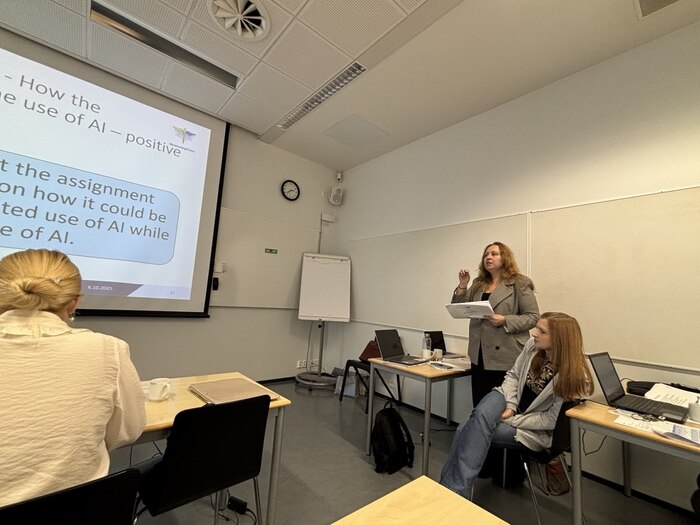
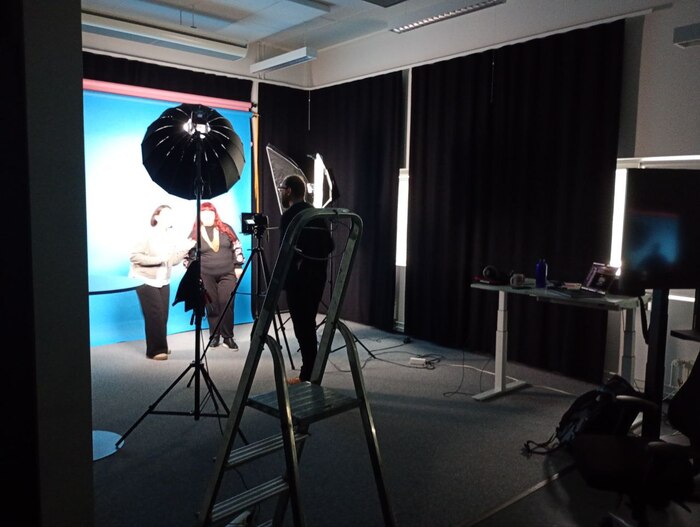
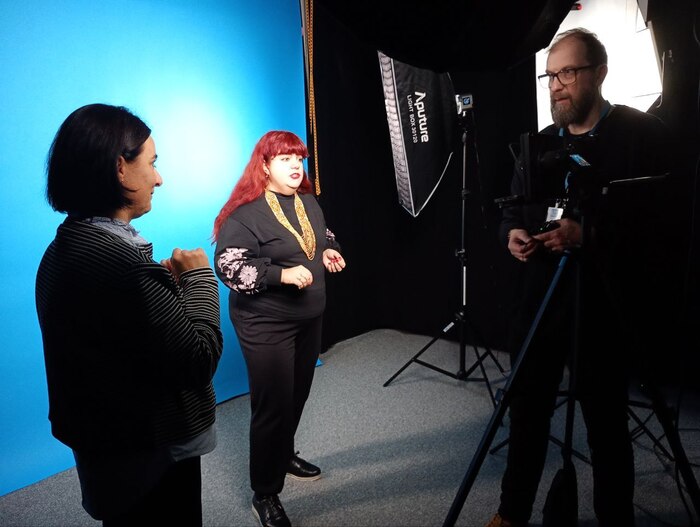
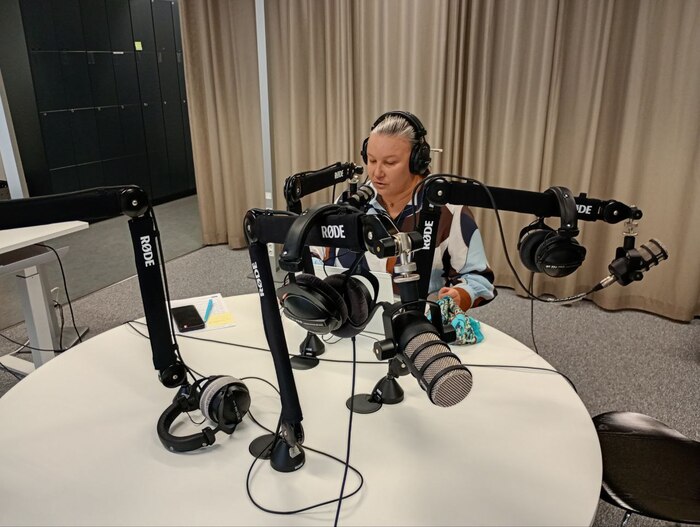
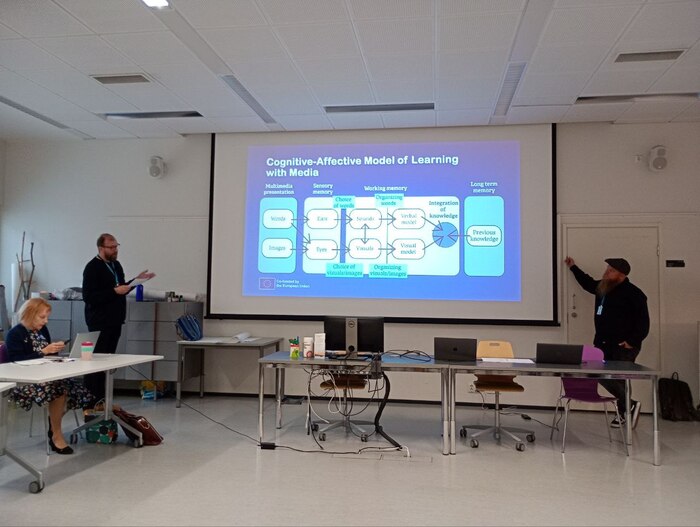
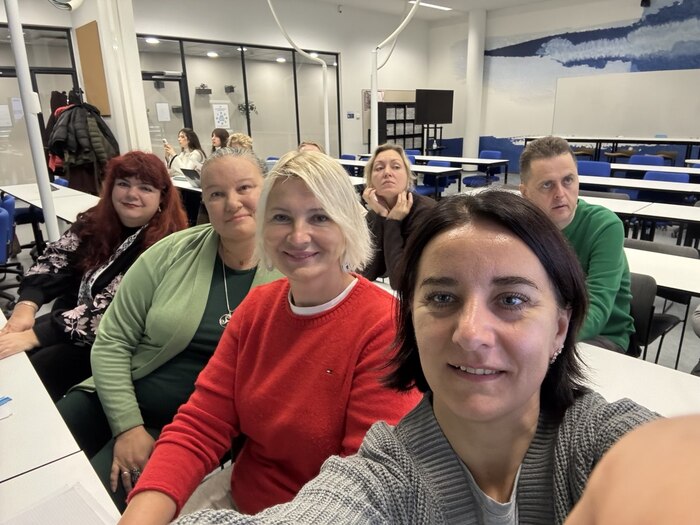
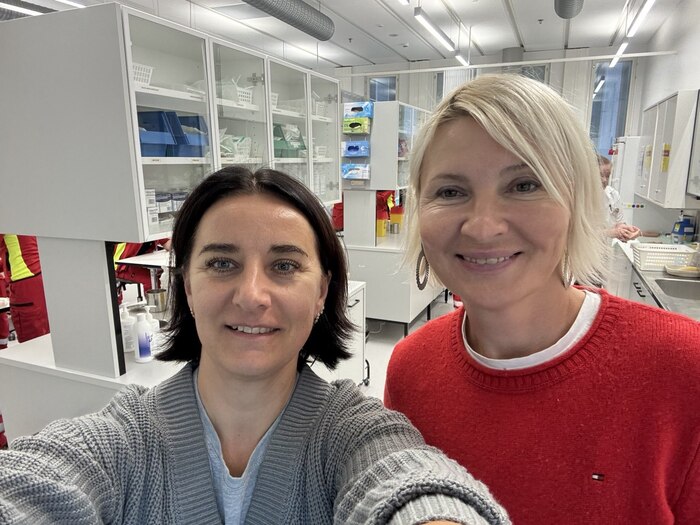
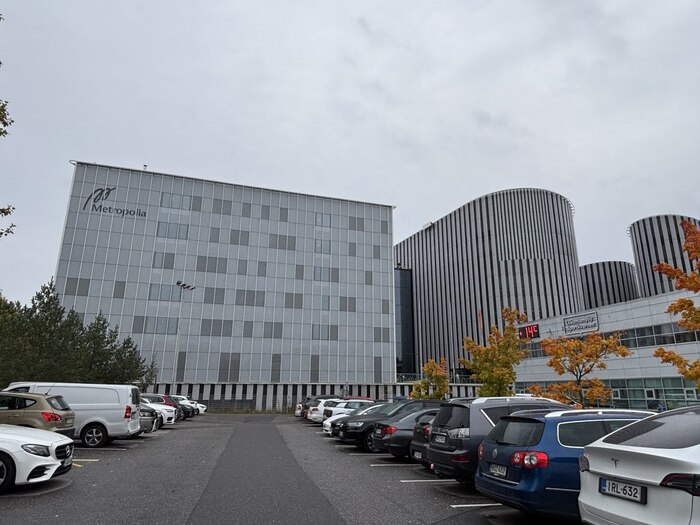
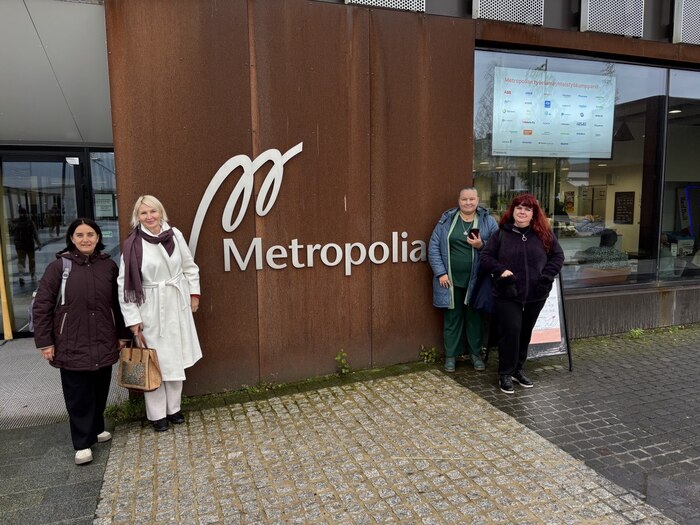
Professor Oksana Vyhovska, Professor Yevheniia Burlaka, Professor Lesia Lymar, Associate Professor Inna Kucherenko, Associate Professor Anna Blagaia, Associate Professor Andrii Burdeinyi, and invited experts. We invite all interested lecturers to join, share experiences, and contribute to shaping a new quality of medical education! T o obtain access to some platforms, please confirm participation by registering via the Google Form: https://forms.gle/TmN3XFjAS19LBmFs7 The training program is attached. #UkraineDigiTrans New №23 SPECIALISTS FROM BOGOMOLETS NATIONAL MEDICAL UNIVERSITY TOOK PART IN AN ONLINE TRAINING ON
“DEBRIEFING WITH THE USE OF VIRTUAL PATIENT TECHNOLOGY” WITHIN THE ERASMUS+ KA2 UKRAINEDIGITRANS PROJECT As part of the Erasmus+ KA2 UkraineDigiTrans grant project, aimed at supporting the digital transformation of Ukrainian higher education institutions, an online training was held focusing on the use of modern digital tools to enhance the training of future healthcare professionals. The central theme of the training was debriefing using the “virtual patient” technology, which is one of the key components of competency-based education. The delegation from Bogomolets National Medical University included Oksana Vygovska, MD, Dean of the Medical Faculty №3, Professor of the Department of Pediatric Infectious Diseases; Ievgeniia Burlaka, MD, Professor of the Department of Pediatrics №4; Lesia Lymar, Doctor of Pedagogics, Associate Professor, Director of Academic Continuous Education Center; and Anna Blahaya, PhD in Medicine, Associate Professor of the Department of Hygiene and Ecology. During the event, participants were introduced to the concept of the virtual patient as an interactive simulation tool that enables safe reproduction of clinical scenarios of various complexities. The main focus was placed on how to properly conduct debriefing after working with such simulations and how to use it to develop clinical reasoning, reflection, and interprofessional communication. Participants were presented with the structure of effective debriefing, including the GAS (Gather–Analyze–Summarize) and PEARLS models, as well as practical techniques for facilitating discussion. Special attention was given to the role of the instructor as a moderator who not only evaluates but also helps students analyze their actions, make decisions, identify possible mistakes, and explore ways to correct them. A separate section addressed the importance of psychological safety during debriefing and the creation of a supportive environment for constructive discussion. As part of the training, participants completed several practical tasks, including the analysis of a real virtual-patient scenario, identification of key debriefing points, and formulation of open-ended questions to stimulate critical thinking. This allowed attendees to experience the value of debriefing as the final—and at the same time the most important—stage of simulation-based learning. The concluding part of the training featured a discussion on implementing virtual patient technology in the curricula of Ukrainian medical universities. Participants explored potential barriers, integration opportunities, and the resources required to scale such practices. The event demonstrated the strong interest of the academic community in digital innovations in medical education and confirmed the relevance of advancing simulation-based approaches in training future physicians. The online training became an important component of the UkraineDigiTrans project’s goals aimed at developing modern digital competencies among educators and students, as well as fostering high-quality educational solutions capable of meeting the needs of the healthcare system during a period of active transformation. #UkraineDigiTrans WORKING MEETING OF THE SUPERVISORY BOARD OF THE UKRAINEDIGITRANS PROJECT On November 19, 2025, another online meeting of the Supervisory Board (Steering Group) of the international project UkraineDigiTrans, aimed at supporting the digital transformation of higher medical education in Ukraine, took place. Representatives of seven university and national institutions from Europe and Ukraine took part in the discussion: Laurea University of Applied Sciences, Vantaa — Outi Ahonen Aristotle University of Thessaloniki (AUTH), Thessaloniki — Panagiotis Bamidis Bukovinian State Medical University (BSMU), Chernivtsi — Igor Gerush Bogomolets National Medical University (BNMU), Kyiv — Inna Kucherenko Odesa National Medical University (ONMedU), Odesa — Valeriia Marichereda Danylo Halytsky Lviv National Medical University (IFNUL), Lviv — Vitalii Kukharskyy National Agency for Higher Education Quality Assurance (NAQA), Kyiv — Olena Yeremenko The presented list demonstrates the updated composition of the group, the active engagement of partner institutions, and the strengthening role of Ukrainian organizations in the project. During the meeting, participants focused on the key functions of the Supervisory Board, namely: monitoring and supporting the project’s development at the strategic level, as well as facilitating the dissemination of results and their implementation across partner institutions. These tasks play an essential role in ensuring the systematic and sustainable nature of digital changes in medical education. Regular meetings of the Supervisory Board support coordination among universities, allow for adjustments to the implementation plan, facilitate experience sharing, and help shape a common vision of digital transformation. Thanks to the participation of representatives from different countries, the project benefits from a broad expert capacity and comprehensive support. Regular online coordination enables UkraineDigiTrans partners to synchronize their work, exchange experiences, and jointly address organizational and technical issues. This is particularly important amid the transformation of the Ukrainian higher education system and the active implementation of digital technologies. The project continues to play a significant role in strengthening international cooperation and supporting Ukrainian universities on their path to modernization. #UkraineDigiTrans New №26 ON NOVEMBER 21, A TRAINING SESSION FOR UNIVERSITY LECTURERS TITLED “PROFESSIONAL EXCELLENCE OF THE LECTURER: DIGITAL PEDAGOGY” WAS LAUNCHED AS PART OF THE ERASMUS+ GRANT PROJECT UKRAINEDIGITRANS – «DIGITAL TRANSFORMATION OF MEDICAL EDUCATION IN UKRAINE» The training session focused on the topic of resilience. Beginning with its physical definition and continuing with its psychological interpretation, resilience was discussed as a key ability of individuals and society to withstand crises, adapt, and recover despite prolonged stress. Particular emphasis was placed on the Ukrainian experience, where resilience has become a daily necessity amid the full-scale war, constant air-raid alerts, security threats, and attacks on the healthcare system. Inna Kucherenko emphasized that an important component is digital resilience — the ability to use technology consciously to support mental health rather than reinforce exhaustion. Participants were provided with practical methods for strengthening resilience: auditing digital habits, setting boundaries for gadget use, information detox, and creating a personal set of support resources. In particular, practical examples were shown of how mobile applications can become tools for developing resilience and self-help: Guest speakers Margarita Stepanenko and Daryna Romanovska, representatives of Healthy Mind, presented this modern tool for psychodiagnostics and monitoring psychological well-being, tailored to the needs of educators, researchers, and mental-health professionals. The event focused on finding effective solutions to the shortage of psychological support resources during the full-scale war and the increasing burden on Ukraine’s mental-health system. The presentation highlighted key problems of contemporary psychodiagnostics: outdated questionnaires, the lack of adapted Ukrainian-language methods, difficulties with mass screening, and limited opportunities for scientific research. The Healthy Mind platform offers a digital solution to these challenges thanks to its online format, accessibility from any device, and a wide set of validated psychodiagnostic tools for assessing depression, anxiety, PTSD, burnout, sleep disorders, emotional regulation, and other conditions. Special emphasis was placed on the scientific foundation of the project: all methods undergo full psychometric validation, are adapted to the Ukrainian sociocultural context, and are tested on representative samples. The team representatives stressed that Healthy Mind does not replace mental-health professionals but complements their work by providing ready analytical data, interpretation of results, and recommendations based on users’ psychological state. The presentation also outlined opportunities for educational and scientific environments: group work, data collection and analysis for research, monitoring students’ psycho-emotional state, participation in longitudinal studies, and evaluating the effectiveness of psychological interventions. The university was invited to partner in developing scientific-practical cooperation and forming a professional community in the field of mental health. To reinforce the topic of resilience, a talk titled “Mindfulness Practices: How to Preserve Your Mental Health When There Is Chaos Around You” was delivered. It focused on forming psychological stability and developing self-regulation skills under increased stress. The speaker was Andrii Burdeinyi — medical psychologist, psychiatrist, psychotherapist, PhD in medical psychology, and assistant at the Department of Medical Psychology, Psychosomatic Medicine and Psychotherapy at Bogomolets National Medical University. Participants learned about the scientific foundations of stress, its physiological, emotional, and cognitive manifestations, and the differences between eustress — which mobilizes the body’s resources — and distress, which leads to exhaustion and health problems. Special attention was given to the impact of chronic stress on the nervous system and a person’s psycho-emotional state. A key topic was mindfulness practices as an effective tool for supporting mental health. The practical part of the workshop included techniques applicable in everyday life: breathing exercises, body-scan meditation, grounding techniques, RAIN, STOP, “Five Fingers,” “Focus Point,” and other tools for reducing tension, improving concentration, and stabilizing emotional state. Participants also received recommendations on effective time management as a way to prevent burnout. The event also addressed barriers that hinder the implementation of mindfulness practices, such as distrust of the method, lack of time, and fear of confronting one’s own emotions. The speaker emphasized that systematic mindfulness practice helps not only reduce stress levels but also improve quality of life, increase emotional resilience, and develop healthier ways of responding to modern challenges. Overall, the event demonstrates that in the Ukrainian context, resilience is a combination of inner strength, social solidarity, and modern digital tools that help maintain psychological balance and productivity under crisis conditions. #UkraineDigiTrans SPECIALISTS OF BOGOMOLETS NATIONAL MEDICAL UNIVERSITY JOINED THE DISCUSSION ON COMMUNICATION STRATEGIES AND THE DISSEMINATION OF RESULTS OF THE ERASMUS+ KA2 UKRAINEDIGITRANS PROJECT As part of the Erasmus+ KA2 UkraineDigiTrans grant project, aimed at implementing digital solutions in medical education in Ukraine, another working meeting of representatives from partner higher education institutions was held. The event brought together experts to discuss the project’s key tasks and achieved results. On behalf of Bogomolets National Medical University, the meeting was attended by Professor of the Department of Pediatrics No. 4, Ievgeniia Burlaka, and Associate Professor of the Department of Organization and Economics of Pharmacy, Director of the Center for International Academic Mobility and Grant Projects, Ivanna Sakhanda-Piddyacha. The central topic of the meeting was the development of Work Package 4 (WP4), dedicated to the dissemination of project results. Participants thoroughly discussed strategic planning of information activities and communication approaches to ensure the effective dissemination of UkraineDigiTrans achievements among the academic community, educational and medical institutions, government bodies, and the public. Special attention was given to: Additionally, participants discussed creating a unified information space, where partners can consolidate their outputs and ensure the sustainability of results after the grant support ends. As part of strategic planning, cluster presentations by partner institutions are scheduled for April 2026, which will serve as a platform to showcase achievements, exchange experiences, and engage new participants in the project. The meeting confirmed the high level of partner interest in achieving shared goals and contributed to consolidating efforts toward the effective implementation of WP4. The proposals and agreements developed will serve as a foundation for further steps in communication and dissemination of UkraineDigiTrans results both in Ukraine and internationally. #UkraineDigiTrans DIGITAL TRANSFORMATION AT THE BOGOMOLETS NATIONAL MEDICAL UNIVERSITY: NEW APPROACHES, INTERNATIONAL PROJECTS, AND PROFESSIONAL ACHIEVEMENTS Within the framework of the Erasmus+ UkraineDigiTrans international project, in September-October 2025, representatives of the Bogomolets National Medical University participated in a series of key professional events dedicated to the digital transformation of medical education, the implementation of innovative teaching technologies, and the development of quality assurance systems in the educational process. Continuing the theme of digital modernization, a report by Inna Kucherenko was presented on October 2, 2025, in Zhytomyr, focusing on the impact of digital technologies on the development of the internal quality assurance system in education. The presentation demonstrated how automated tools for developing educational programs, the university’s digital platforms, and elements of artificial intelligence ensure transparency, accessibility, standardization, and personalization of the learning process. The School of Digital Competence at NMU plays a significant role in these initiatives, aiming to develop faculty digital literacy and integrate modern technological solutions into the educational process. All initiatives align with the university’s strategic priorities through 2030, which include enhancing staff digital competencies, developing cybersecurity systems, and improving criteria for evaluating the quality of education. During a presentation in Yaremche on September 20, 2025, at the XXVII Annual Ukrainian Scientific and Practical Conference “Current Issues in Pediatrics” (Sidelnikov Readings), the university team—comprising Inna Kucherenko, Oksana Vygovska, Serhiy Zemskov, Ievgeniia Burlaka, Lesia Lymar, and Volodymyr Terentiuk – showcased a set of modern digital and simulation solutions applied at NMU in the training of future pediatricians. The presentation highlighted the university’s digital ecosystem, including the Unified State Electronic Database on Education (EDEBO), the Electronic Educational System (EES), an automated management system, the LIKAR_NMU e-learning platform, mobile applications, and electronic educational resources. Special attention was given to the Digital Competence Framework for Healthcare Professionals and the activities of the NMU School of Digital Competence, which focus on developing critical thinking, digital security, and pedagogical digital tools for faculty. The results of the Erasmus+ UkraineDigiTrans project were also presented, highlighting the university’s involvement in developing hybrid courses, micro-courses, training master trainers, and creating a repository of educational resources in collaboration with partner universities from Finland, Greece, and Ukraine. The university’s professional achievements were highly recognized at the XVII International Exhibition “Innovation in Modern Education,” where Bogomolets National Medical University was awarded the honorary title “Leader in Educational Innovation” and received two gold medals in the category “Implementation of Innovative Educational Ecosystems, Learning Tools, Projects, and Comprehensive Solutions as a Tool for Improving the Quality of Student Knowledge.” Certificates were awarded to Professor Serhiy Zemskov, Associate Professor Lesia Lymar, Professor Oksana Vygovska, Associate Professor Inna Kucherenko, and Professor Ievgeniia Burlaka. Another significant outcome of the university’s digital transformation efforts was the publication of an article in the journal Medicine and Pharmacy: Educational Discourses. The author team, consisting of Lesia Lymar, Oksana Vygovska, Inna Kucherenko, and Ievgeniia Burlaka, presented the results of two training programs conducted within the Erasmus+ UkraineDigiTrans project, which involved 32 NMU faculty members and demonstrated the effectiveness of a practice-oriented approach to developing digital culture. The article emphasized the importance of systematic and long-term development of digital competencies as a key factor for the sustainable transformation of medical education in Ukraine. The comprehensive set of initiatives, professional accomplishments, and international collaboration demonstrates that Bogomolets National Medical University is consistently shaping a modern, innovative, and digitally oriented educational environment, aimed at training highly qualified professionals capable of working effectively in digital medicine and adapting to global transformations in educational approaches. #UkraineDigiTrans DIGITAL-PEDAGOGICAL SUPPORT AND PREPARATION FOR THE SECOND STAGE OF UKRAINEDIGITRANS: BOGOMOLETS NMU JOINED THE STRATEGIC PLANNING DISCUSSION FOR 2026 Experts from Bogomolets National Medical University participated in an online meeting within the Erasmus+ KA2 UkraineDigiTrans project, during which a detailed plan for digital-pedagogical support for the second stage of the project in 2026 was presented. The delegation from Bogomolets National Medical University included Oksana Vygovska, MD, Dean of the Medical Faculty №3, Professor of the Department of Pediatric Infectious Diseases; Ievgeniia Burlaka, MD, Professor of the Department of Pediatrics №4; Lesia Lymar, Doctor of Pedagogics, Associate Professor, Director of Academic Continuous Education Center; and Anna Blahaya, PhD in Medicine, Associate Professor of the Department of Hygiene and Ecology. Partner teams from AUTH and Laurea, together with Ukrainian educators, introduced a support model that includes regular educational and consultation activities aimed at improving the quality of digital pedagogy and enhancing the process of updating academic courses. A key element of the plan will be the monthly online sessions starting in January 2026. These sessions will focus on: To address the specific needs of individual universities, bilateral sessions are also planned, enabling more precise adjustment of pedagogical and digital solutions according to the requests of particular teams. An important part of the meeting was the discussion of a unified course manuscript, which will serve as the structural foundation for further project activities. Participants outlined the key components of the future manuscript, approaches to content unification, and requirements for integrating simulation technologies and virtual patient tools. Agreeing on a shared framework will ensure a high-quality, standardized, and technologically oriented educational product for all Ukrainian partner universities. The event demonstrated the strong commitment of university teams to advancing digital and simulation-based solutions in medical education and marked an important step toward achieving the strategic goals of UkraineDigiTrans. #UkraineDigiTrans This section presents a structured overview of the expected results of the UkraineDigiTrans Project, divided into core objectives (what the project seeks to change or improve) and concrete outputs (what the project will deliver). These results are designed to address institutional needs, national policy gaps, and broader challenges affecting medical education in crisis-affected regions. Project Objectives The UkraineDigiTrans Project was designed with a transformative vision for digital medical education. Its core objectives are as follows: These objectives are interdependent and reinforce each other through integrated work packages, stakeholder engagement, and cross-border collaboration. Project Outputs The project will produce a wide range of tangible results across teaching, training, institutional development, and quality assurance. These outputs serve as the operational mechanisms for achieving the broader project objectives: These outputs are designed to be replicable and adaptable across different Ukrainian HEIs, enabling their use beyond the project’s immediate scope. Coordinator: General Manager: Tuija Marstio, Expert in Digital Pedagogy, Senior Lecturer Contacts: tel.: +358505336131 e-mail: Tuija.Marstio@laurea.fi Project Coordinator at Bogomolets National Medical University Oksana Vygovska, M.D., Doctor of Medical Sciences, Professor, Dean of Medical Faculty № 36 Professor of Department of Pediatric Infectious Diseases tel.: +38-050-271-77-07 e-mail: oksana.vigovska@gmail.com